
Landscaping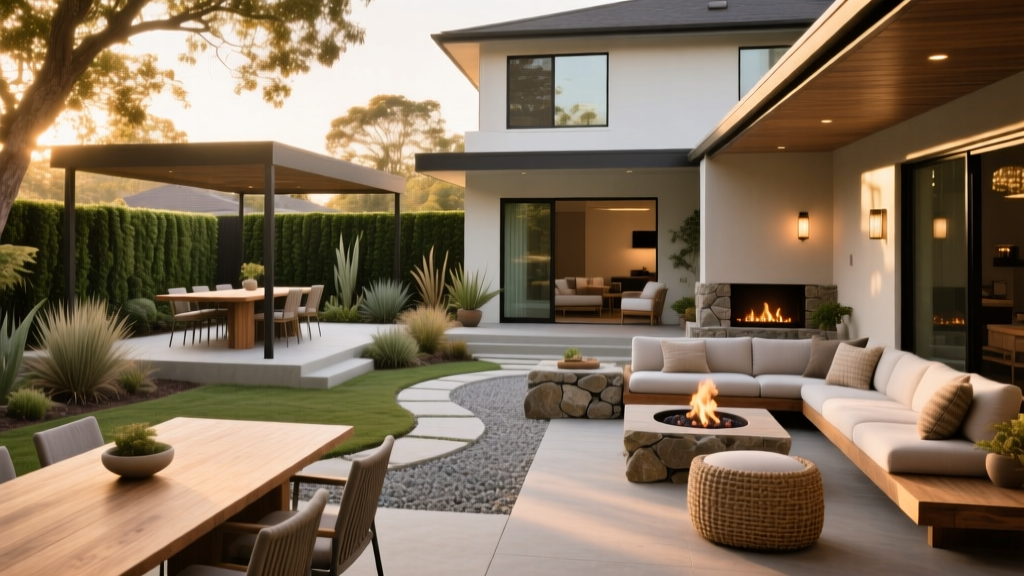
Designing Outdoor Patios for Curb Appeal & Entertaining
James MillerPublished
The modern landscape is no longer just a patch of grass and a few shrubs; it is an extension of the home's living space. For homeowners looking to elevate their property's aesthetic while creating the ultimate backdrop for outdoor entertaining, designing a multi-zone patio is the ultimate solution. By strategically blending hardscaping, ambient lighting, and lush softscaping, you can dramatically boost your home's curb appeal and create a functional oasis for hosting guests.
The Intersection of Curb Appeal and Outdoor Entertaining
When most people think of curb appeal, they picture the front yard. However, landscape architects increasingly emphasize the concept of "total property appeal." Side courtyards, wrap-around patios, and visible backyard pergolas all contribute to the overall perceived value of a home. A well-designed patio acts as an outdoor living room, seamlessly transitioning from the interior to the exterior. When guests arrive, a beautifully lit, structured patio visible from the driveway or side yard immediately signals a well-maintained, high-value property.
The ROI of Hardscaping and Outdoor Living
Investing in an outdoor entertaining space is not just about personal enjoyment; it is a financially sound decision. According to the National Association of Realtors (NAR) Remodeling Impact Report, outdoor living upgrades consistently rank among the highest for cost recovery and homeowner satisfaction. The NAR report highlights that a new patio or outdoor living space can recover up to 100% of its project cost at resale, while specific entertaining features like a fire pit can recover around 78%. Furthermore, homeowners report a "Joy Score" of 9.7 out of 10 for outdoor living projects, making it one of the most rewarding landscaping investments you can make.
Strategic Patio Zoning for Entertainers
To maximize both utility and visual interest, avoid designing one massive, monolithic concrete slab. Instead, break your patio into distinct "zones" using varying paver patterns, elevation changes, or composite decking borders.
1. The Culinary Zone (Outdoor Kitchen)
If you plan to host frequently, an outdoor kitchen is essential. Standard outdoor counter height should be 36 inches, with a depth of at least 24 inches for prep space and 16 inches for bar-style seating. Use durable, weather-resistant materials like granite or stainless steel. Position this zone near the house for easy access to indoor plumbing and gas lines, reducing trenching costs.
2. The Social Zone (Fire Pit and Lounge)
This area is the focal point of evening entertaining. For a standard wood-burning or gas fire pit, allocate a minimum space of 12x12 feet. This allows for a 4-foot-wide circular seating wall or Adirondack chairs while maintaining a safe 3-foot clearance from the flames to any combustible materials or overhanging tree branches.
3. The Transition Zone (Dining and Walkways)
Ensure your main walkways are at least 5 to 6 feet wide so two people can walk side-by-side comfortably. The dining zone requires a minimum of 10x12 feet to accommodate a standard 6-person table and allow enough room for guests to pull out chairs without stepping off the hardscape.
Choosing the Right Hardscape Materials
The material you choose sets the tone for your landscape's curb appeal. Below is a comparison of the most popular patio materials, factoring in cost, maintenance, and aesthetic impact.
| Material | Average Cost (Per Sq Ft Installed) | Maintenance Requirements | Curb Appeal Factor |
|---|---|---|---|
| Stamped Concrete | $12 - $18 | Medium (Requires resealing every 2-3 years) | High (Versatile patterns) |
| Permeable Pavers | $18 - $30 | Low (Occasional joint sand top-off) | Very High (Modern, structured) |
| Natural Flagstone | $25 - $40 | Low (Weeding between joints) | Premium (Organic, luxury feel) |
| Composite Decking | $20 - $35 | Very Low (Soap and water cleaning) | High (Great for elevated zones) |
For a high-end look that mimics natural stone without the exorbitant price tag, architectural-grade concrete pavers (such as those from Belgard or Techo-Bloc) offer incredible texture and color retention. Using a running bond pattern in the dining zone and a herringbone pattern in the lounge zone subtly defines the spaces without the need for physical walls.
Sustainable Drainage Solutions
A beautiful patio will quickly lose its curb appeal if it suffers from pooling water, efflorescence (white mineral deposits), or frost heave. Integrating sustainable drainage is critical, especially in regions with heavy rainfall.
"Permeable pavements reduce runoff volume, delay the runoff peak, and filter pollutants, making them an excellent green infrastructure practice for residential landscapes."
— Environmental Protection Agency (EPA) Green Infrastructure Guidelines
Permeable pavers are installed over an open-graded base of crushed stone (typically 3/8-inch to 1-inch aggregate) rather than traditional sand. This allows rainwater to percolate through the joints and recharge the groundwater table, eliminating the need for unsightly French drains or catch basins that can disrupt your landscape design. While the initial installation cost is roughly 20% higher than standard pavers, the long-term benefits to your lawn's health and local watershed make it a superior choice.
Illuminating the Space: Lighting for Ambiance and Safety
Lighting is the secret ingredient that transforms a patio from a daytime utility to an evening showpiece. Proper illumination enhances curb appeal after dark and ensures safe navigation for your guests.
- Path and Step Lighting: Use low-glare LED path lights with a warm color temperature (2700K to 3000K). Aim for 100 to 200 lumens per fixture to illuminate walkways without creating light pollution.
- Uplighting Architectural Features: Place well lights at the base of perimeter trees, pergola columns, or large boulders. This creates dramatic shadows and draws the eye upward, making the outdoor space feel larger.
- Moonlighting: For a natural, ethereal glow, mount downlights 20 to 30 feet high in the canopy of large shade trees. This mimics the effect of moonlight filtering through the branches onto your patio below.
When selecting fixtures, opt for solid brass or copper housings rather than aluminum or plastic. According to the U.S. Department of Energy's Outdoor Lighting Guide, utilizing LED fixtures not only reduces energy consumption by up to 80% compared to halogen alternatives but also drastically reduces the maintenance burden, as LED bulbs can last 50,000 hours or more.
Softscaping: Framing the Hardscape
Hardscaping provides the bones of your outdoor entertaining space, but softscaping provides the soul. To maximize curb appeal, use a layered planting strategy around the perimeter of your patio to create privacy and soften the hard edges of the stone.
The Three-Tier Planting Strategy
- Canopy Layer (Privacy & Shade): Plant fast-growing but non-invasive trees like the Japanese Maple or Eastern Redbud 10-15 feet from the patio edge. These provide dappled shade and stunning seasonal color.
- Understory & Shrub Layer (Structure): Use evergreen shrubs like Green Velvet Boxwood or Dwarf Hinoki Cypress to create year-round structure. Integrate blooming shrubs like Limelight Hydrangeas to provide massive, vibrant blooms during the peak summer entertaining season.
- Groundcover & Edging (Transition): Soften the border where the patio meets the lawn using creeping groundcovers like Creeping Thyme or Blue Star Creeper. These plants can handle light foot traffic, smell wonderful when brushed against, and eliminate the need for harsh plastic edging.
Additionally, incorporate large, weather-resistant planters (such as fiberglass or corten steel) directly on the patio. Filling these with ornamental grasses like Karl Foerster Feather Reed Grass adds vertical movement and a contemporary architectural element that guests will admire.
Conclusion
Designing an outdoor patio for entertaining and curb appeal requires a thoughtful balance of engineering, aesthetics, and horticulture. By investing in multi-zone layouts, sustainable permeable materials, warm LED lighting, and layered softscaping, you create more than just a place to put a grill. You create a captivating outdoor living environment that wows guests, enhances your daily life, and secures a strong return on investment when it comes time to sell your home. Plan carefully, choose quality materials, and watch your landscape transform into the ultimate neighborhood destination.

