Pest Control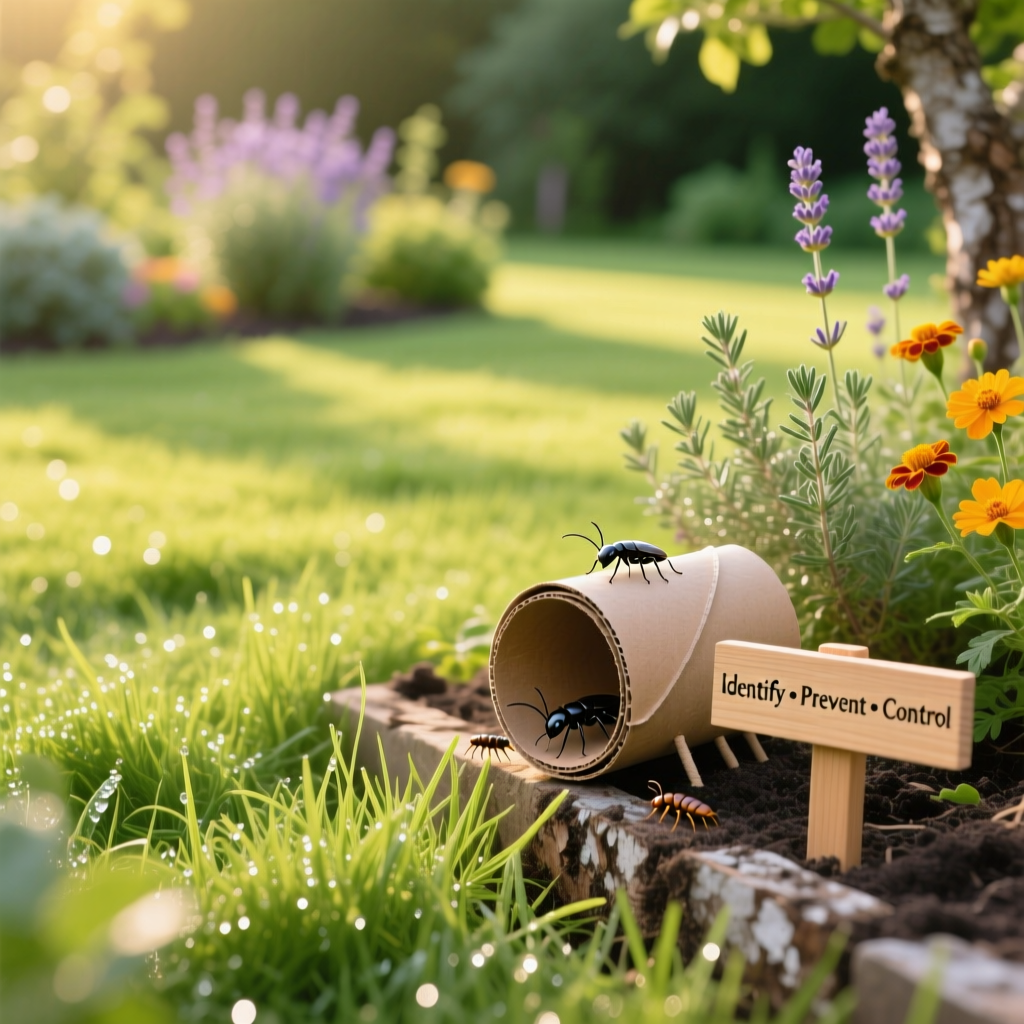
DIY Trapping and Control for Earwigs in Garden Beds
Mike RodriguezPublished
Every gardener knows the frustration of waking up to find their prized seedlings, delicate flower petals, and tender vegetable leaves riddled with irregular holes. While slugs and caterpillars often take the blame, a notorious nocturnal culprit is frequently hiding in the damp soil below: the earwig. Despite their fearsome reputation and the unsettling myths surrounding their name, earwigs are a common garden pest that can be managed effectively without resorting to harsh synthetic chemicals.
Earwigs belong to the insect order Dermaptera and are easily recognized by the pair of pincers, or cerci, protruding from their abdomens. They thrive in moist, dark environments, making lush garden beds, thick mulch layers, and compost piles the perfect habitat. While they do play a minor role in breaking down decaying organic matter and occasionally prey on harmful aphids, their appetite for tender plant tissue can quickly turn them from a minor nuisance into a major garden threat.
If you are battling an earwig infestation, you do not necessarily need to reach for expensive commercial pesticides. By understanding their behavior and habitat preferences, you can implement highly effective, low-cost DIY traps and natural deterrents. This comprehensive guide will walk you through identifying earwig damage, modifying your garden environment to prevent infestations, and deploying homemade traps to reclaim your garden beds.
Identifying Earwigs and Their Damage
Before you can effectively control a pest, you must accurately identify it. Earwigs are slender, elongated insects that typically range from a quarter-inch to just over an inch in length. They are usually dark brown to reddish-brown with pale yellow or brown legs. The most distinguishing feature of the earwig is the pair of forceps-like pincers at the rear of its body. Males typically have larger, more curved pincers, while females have smaller, straighter ones. These pincers are used for defense, capturing prey, and folding their delicate hind wings, though they rarely pose any threat to humans.
Because earwigs are strictly nocturnal, you will rarely see them active during the day. They spend their daylight hours hiding in cool, damp crevices, under rocks, within tightly rolled leaves, or buried just beneath the soil surface. To confirm their presence, you must look for the specific type of damage they leave behind on your plants.
Signs of Earwig Damage
- Irregular Leaf Holes: Unlike caterpillars, which often eat leaves from the edges inward, earwigs tend to chew irregular, ragged holes directly through the center of leaves or petals.
- Seedling Destruction: Earwigs are particularly fond of tender, young plant tissue. They can decimate a row of newly sprouted seedlings overnight, leaving only the tougher stems behind.
- Damaged Fruit and Flowers: They frequently burrow into soft fruits like strawberries or hide inside the tight petals of flowers such as dahlias, zinnias, and marigolds, chewing on the reproductive parts of the plant.
- Lack of Slime Trails: This is a crucial diagnostic clue. Slugs and snails cause similar chewing damage but leave behind a telltale, shiny slime trail. If you see severe chewing damage but no slime, earwigs are the likely culprits.
If you suspect earwigs but need visual confirmation, take a flashlight to your garden beds an hour or two after sunset. You will likely spot them actively feeding on the foliage or scurrying across the mulch. For more tips on distinguishing between common garden invaders, check out our guide on identifying common garden pests.
Preventing Earwig Infestations in Garden Beds
The most effective long-term strategy for earwig control is making your garden beds less inviting to them. Earwigs are driven by two primary needs: moisture and shelter. By altering your garden environment to eliminate these conditions, you can drastically reduce their population naturally.
Moisture Management
Earwigs desiccate quickly and require constant access to damp environments. Overwatering your garden beds creates a paradise for these pests. Adjust your watering schedule to ensure the top layer of soil has a chance to dry out between waterings. Watering deeply in the early morning allows the surface soil to dry throughout the day, depriving earwigs of the damp surface cover they seek at night. Proper soil drainage is also essential; consider reviewing our article on soil drainage and aeration to ensure your beds are not holding excess water.
Garden Hygiene and Debris Removal
Earwigs spend their days hiding in dark, tight spaces. A garden bed cluttered with decaying plant matter, thick layers of wet leaves, or stacked firewood provides endless daytime harborage. Keep your garden beds clean by promptly removing spent plant debris, fallen fruit, and weeds. If you use mulch, keep it to a depth of no more than two to three inches, and pull it back a few inches from the base of your plants and the foundation of your home. For broader yard cleanup strategies, read our guide on yard maintenance and debris management.
Sealing Entry Points
While earwigs are primarily an outdoor pest, they will migrate indoors when outdoor conditions become too dry or excessively wet. Inspect the foundation of your home, doors, and windows for cracks and gaps. Apply weather stripping, caulk, and repair damaged screens to prevent them from moving from your garden beds into your living spaces.
Encouraging Natural Predators
A healthy, biodiverse garden is your best defense against any pest outbreak. Birds, toads, frogs, and certain beneficial insects like ground beetles are natural predators of earwigs. By providing a welcoming habitat for these creatures—such as installing a birdbath, leaving a small wild corner in your yard, or avoiding broad-spectrum pesticides—you can enlist nature's help in keeping earwig populations in check.
Effective DIY Traps for Earwig Control
When prevention is not enough and an active infestation is damaging your plants, DIY traps offer a highly effective, non-toxic way to reduce earwig numbers. Because earwigs are driven by their sense of smell and their need for tight, dark hiding spots, you can easily exploit these behaviors to trap them. Place these traps in the evening and check them early the next morning for the best results.
The Soy Sauce and Oil Trap
This is arguably the most effective and popular DIY earwig trap. The strong, fermented scent of soy sauce acts as a powerful attractant, while the oil prevents the insects from escaping.
- Take a small plastic container, such as an empty yogurt cup or a margarine tub, and punch several small holes in the lid. The holes should be large enough for an earwig to crawl through, but small enough to deter larger beneficial insects.
- Mix equal parts soy sauce and vegetable oil (or olive oil) inside the container.
- Secure the lid tightly and bury the container in the soil of your garden bed so that the top of the lid is flush with the soil surface.
- The earwigs will be drawn to the scent, crawl through the holes, and fall into the mixture. The oil coats their bodies and suffocates them, preventing them from climbing back out.
- Empty, clean, and refill the traps every few days until the infestation subsides.
The Damp Newspaper Roll Trap
This trap exploits the earwig's instinct to seek out tight, dark, and damp crevices during the daylight hours.
- Take a section of newspaper or a piece of corrugated cardboard and roll it up loosely into a tube. Secure it with a rubber band or a piece of twine so it holds its shape but remains easy to unroll.
- Lightly dampen the newspaper or cardboard with water. It should be moist, but not dripping wet.
- Place the rolled tubes horizontally in your garden beds at dusk, positioning them near the plants that are suffering the most damage.
- Overnight, the earwigs will feed, and as dawn approaches, they will seek shelter inside the damp rolls.
- Early the next morning, before the sun gets too high, collect the rolls. You can either unroll them and shake the earwigs into a bucket of soapy water, or simply toss the entire roll into a sealed plastic bag and dispose of it in the trash.
The Tuna Can or Cat Food Trap
If you do not have soy sauce on hand, the strong scent of fish oil is another excellent attractant for earwigs.
- Clean out an empty tuna can or a small tin of wet cat food.
- Fill the bottom of the can with about half an inch of vegetable oil.
- Place the can directly on the soil surface in your garden bed, partially burying it if possible so the rim is level with the ground.
- The residual fish smell combined with the oil will attract and trap the earwigs. Dispose of the contents in the compost or trash and reuse the can.
Straw-Filled PVC Pipe or Cardboard Tube Traps
For a reusable trap that covers a larger area, use hollow tubes stuffed with organic material.
- Collect empty toilet paper rolls or cut short sections of PVC pipe.
- Stuff the tubes loosely with dry straw, wheat, or shredded newspaper.
- Lay the tubes horizontally on the soil near vulnerable plants.
- Check the tubes daily by shaking the contents into a bucket of soapy water. This method is highly effective for capturing large numbers of earwigs seeking daytime shelter.
For more eco-friendly trapping ideas that extend beyond earwigs, explore our comprehensive guide on natural pest control methods.
Natural and Organic Earwig Repellents
In addition to trapping, you can create barriers and apply natural repellents to protect your most vulnerable plants. These methods do not necessarily eliminate the earwig population, but they deter them from crossing into your prized garden beds.
Diatomaceous Earth (DE)
Diatomaceous earth is a naturally occurring, soft sedimentary rock that crumbles easily into a fine white powder. On a microscopic level, DE consists of fossilized algae with incredibly sharp edges. When earwigs crawl over the powder, the sharp particles scratch their waxy exoskeleton, causing them to lose moisture and eventually die from dehydration. To use DE, sprinkle a generous, continuous ring around the base of your plants or along the edges of your garden beds. Note: DE loses its effectiveness when wet, so you must reapply it after every rainfall or heavy watering. Always use food-grade DE and wear a dust mask when applying it to avoid inhaling the fine particles.
Neem Oil
Neem oil is a natural extract from the neem tree that acts as a powerful insect repellent and growth disruptor. While it may not kill adult earwigs on contact like it does soft-bodied aphids, the bitter taste and strong smell deter them from feeding on treated plants. Mix cold-pressed neem oil with water and a few drops of mild liquid dish soap (as an emulsifier) according to the package directions. Spray the foliage of your plants in the early evening. This not only deters earwigs but also provides a layer of protection against fungal diseases and other chewing insects.
Essential Oil Sprays
Earwigs possess a keen sense of smell, which makes them highly sensitive to strong essential oils. Peppermint, eucalyptus, and citrus oils are particularly effective repellents. Mix 10 to 15 drops of your chosen essential oil with a cup of water and a teaspoon of dish soap in a spray bottle. Spray the perimeter of your garden beds, the legs of raised planters, and the lower stems of vulnerable plants. Reapply every few days or after it rains to maintain the scent barrier.
When to Call Professional Pest Control
For the vast majority of gardeners, DIY traps, environmental modifications, and natural repellents are more than sufficient to manage earwig populations. However, there are specific scenarios where professional intervention becomes necessary.
If earwigs have migrated indoors in large numbers, finding their way into your pantry, bathroom, or bedding, it usually indicates a massive outdoor population coupled with a structural vulnerability in your home. While earwigs do not reproduce indoors, carry diseases, or cause structural damage, their presence inside the home is highly distressing. A professional pest control service can apply targeted perimeter treatments and exterior barriers that are not available to consumers, effectively stopping the inward migration.
Additionally, if you are managing a large-scale commercial crop or a massive nursery where manual trapping is physically impossible and the economic loss from damaged produce is severe, a licensed professional can assess the situation and apply specialized, environmentally conscious baits or targeted insecticides that minimize harm to beneficial pollinators. Always ensure that any professional service you hire utilizes Integrated Pest Management (IPM) principles to protect the broader ecosystem of your yard.
Frequently Asked Questions
Do earwigs actually crawl into human ears?
No. The name 'earwig' is derived from an old European superstition that the insects would crawl into the ears of sleeping people and burrow into their brains. This is entirely a myth. Earwigs have no interest in human ears, and they do not seek out humans as hosts. They are strictly interested in damp soil, decaying plant matter, and tender vegetation. While an earwig might accidentally wander onto a person sitting on the grass, they do not actively seek human contact.
Are earwigs beneficial to the garden in any way?
Yes, in small numbers, earwigs can actually be beneficial. They are omnivorous scavengers and play a role in breaking down decaying organic matter, which helps recycle nutrients back into the soil. Furthermore, they are known to prey on several harmful garden pests, including aphids, mites, and the eggs of certain insects. The problem arises only when their population explodes, or when their preferred food sources (decaying matter and aphids) are scarce, prompting them to turn to your tender seedlings and flower petals.
Will soapy water kill earwigs?
Yes, soapy water is a highly effective, non-toxic contact killer for earwigs. The soap breaks down the protective waxy coating on the insect's exoskeleton, causing them to rapidly dehydrate and suffocate. Keep a bucket or spray bottle filled with water and a few generous squirts of liquid dish soap handy while you are inspecting your garden at night. When you spot an earwig, simply knock it into the bucket or spray it directly. It is an excellent, immediate way to reduce numbers without introducing chemicals into your soil.
How do I know if earwigs or slugs are eating my plants?
The damage caused by earwigs and slugs can look remarkably similar at first glance, as both chew irregular holes in leaves and petals. The key differentiator is the slime trail. Slugs and snails secrete a thick mucus as they move, leaving a shiny, silvery trail on leaves and the surrounding soil that is easily visible in the morning light. Earwigs do not produce slime. If your plants are heavily damaged but the foliage and soil are completely free of slime trails, you are almost certainly dealing with earwigs or caterpillars. For more help with mollusks, read our guide on controlling slugs and snails.
What time of day is best to hunt for earwigs?
The absolute best time to hunt for earwigs is at night, specifically one to two hours after the sun has set. Because they are strictly nocturnal, they will be out in the open, actively feeding on your plants and moving across the soil surface. Equip yourself with a flashlight or a headlamp, a pair of gloves, and a bucket of soapy water. Hand-picking them at night is one of the most immediate and satisfying ways to knock down a severe infestation before they can cause further damage to your garden beds.