Lawn Care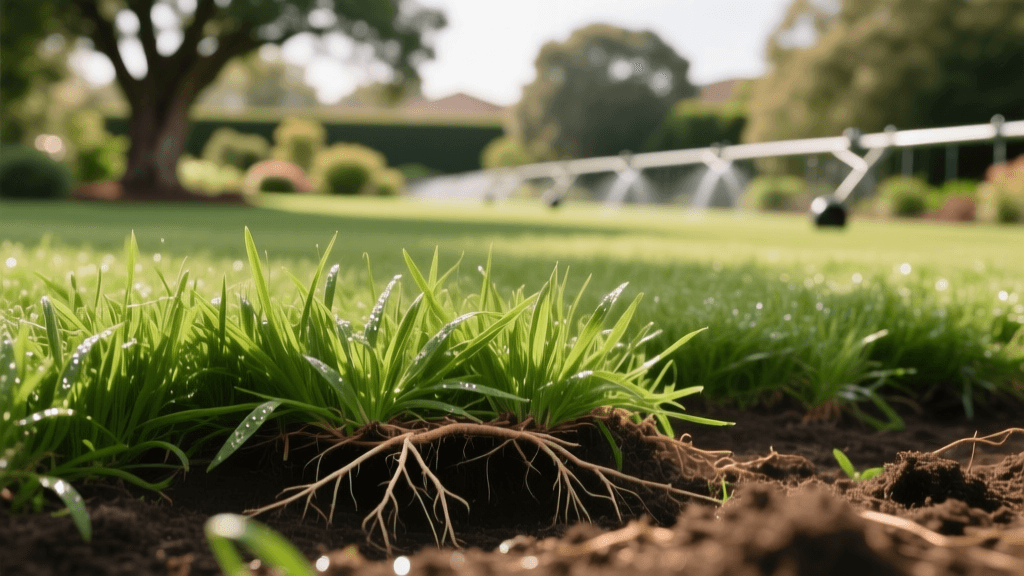
Drought-Proof Your Lawn: Deep Watering and Soil Moisture Tips
As climate patterns shift and municipal water restrictions become more frequent, maintaining a lush, green lawn requires a strategic shift from traditional watering habits to water-wise landscaping. Drought-proofing your lawn is not about letting it turn brown and die; it is about building a resilient root system and optimizing soil health so your turf can survive extended dry spells with minimal supplemental irrigation. According to the Environmental Protection Agency (EPA) WaterSense program, the average American family uses more than 300 gallons of water per day at home, with roughly 30 percent of that dedicated to outdoor use. By adopting deep watering techniques and improving soil moisture retention, homeowners can drastically reduce their water footprint while keeping their lawns healthy. This guide explores the most effective, actionable strategies for drought-proofing your turfgrass, from precise irrigation scheduling to advanced soil amendments.
Recognizing Drought Stress Before It Is Too Late
Before implementing a water-wise strategy, you must understand how turfgrass responds to water scarcity. Drought stress occurs when water loss through evapotranspiration exceeds the water absorbed by the roots. The earliest visual indicator is 'footprinting.' When you walk across the lawn, the grass blades remain flattened and do not spring back up immediately. This happens because the plant cells lose turgor pressure due to dehydration. Following footprinting, the grass will take on a dull, bluish-gray hue before eventually curling its leaves to minimize surface area and reduce moisture loss. Finally, the lawn will enter dormancy, turning completely brown. It is crucial to note that dormancy is a natural survival mechanism for cool-season grasses like Kentucky Bluegrass and Tall Fescue. A dormant lawn is not a dead lawn. However, to prevent crown death, even dormant lawns require a minimal survival irrigation of about one-quarter to one-half inch of water every two to three weeks.
The Science of Deep and Infrequent Watering
The most common mistake homeowners make is watering their lawns lightly every day. This shallow irrigation encourages roots to remain near the soil surface, where they are highly susceptible to heat and rapid evaporation. To build a drought-resistant lawn, you must train the roots to grow deep into the soil profile by utilizing a 'deep and infrequent' watering schedule. The University of Minnesota Extension recommends applying one to one and a half inches of water per week, ideally divided into two or three watering sessions. Deep watering forces the root system to chase the moisture front downward, creating a robust network that can tap into subsoil reserves during dry periods. To measure your sprinkler output, place several empty, straight-sided tuna cans or specialized rain gauges across your lawn zones. Run your irrigation system for 20 minutes, measure the water collected in the cans, and calculate the exact runtime required to deliver the target half-inch of water per session. Always schedule your watering between 4:00 AM and 8:00 AM to minimize wind interference and evaporative losses.
Adapting to Soil Types with the Cycle-and-Soak Method
Your soil composition dictates how effectively your lawn absorbs and retains water. Sandy soils drain rapidly and require more frequent, shorter watering sessions. Conversely, heavy clay soils have a very slow infiltration rate. If you apply a half-inch of water to a clay lawn all at once, much of it will pool on the surface and run off into the street, wasting precious resources. To combat this, employ the 'cycle-and-soak' method. This involves breaking your total watering time into multiple short cycles, allowing the water to infiltrate the dense clay between runs. For example, instead of running a zone for 30 continuous minutes, run it for three 10-minute cycles, spaced 30 minutes apart.
| Soil Type | Infiltration Rate | Watering Strategy | Drought Vulnerability |
|---|---|---|---|
| Sandy | High (Fast drainage) | Shorter, more frequent sessions | High (Poor moisture retention) |
| Loam | Moderate (Ideal balance) | Standard deep, infrequent soaking | Low (Excellent retention) |
| Clay | Low (Slow absorption) | Cycle-and-soak method required | Moderate (Prone to runoff) |
Soil Amendments for Maximum Moisture Retention
Water-wise lawn care extends beyond the sprinkler head; it requires building a soil ecosystem capable of holding onto moisture. Incorporating organic matter and specialized surfactants can dramatically increase the water-holding capacity of your soil. Top-dressing your lawn with a quarter-inch of high-quality, screened compost every spring and fall improves soil structure and acts like a sponge. Additionally, liquid soil wetting agents, also known as surfactants, are game-changers for drought-prone areas. Products containing yucca extract or specialized polymers (such as Aqua-Aid) break down the surface tension of water, allowing it to penetrate hydrophobic (water-repellent) dry spots and distribute evenly through the root zone. Another highly effective amendment is biochar. When applied to the lawn, biochar's highly porous structure provides a permanent reservoir for water and nutrients, reducing the need for frequent irrigation.
Adjusting Mowing and Fertilization During Drought
Cultural practices must align with your water-wise goals. During periods of drought or strict municipal watering restrictions, you must adjust your mowing and fertilization routines to reduce turf stress. Raise your mower deck to the highest recommended setting for your grass species—typically 3 to 4 inches for Tall Fescue and Kentucky Bluegrass. Taller grass blades shade the soil surface, significantly lowering soil temperatures and reducing evaporation. Furthermore, never remove more than one-third of the grass blade in a single mowing. Regarding fertilization, avoid applying high-nitrogen, quick-release synthetic fertilizers during peak summer heat or drought. Nitrogen forces rapid top growth, which demands excessive water and diverts energy away from root development. Instead, rely on slow-release organic fertilizers applied in the cooler months of spring and autumn. The Colorado State University Extension emphasizes that reducing nitrogen inputs during summer drought is critical to preventing turfgrass burn and minimizing water demand.
Smart Irrigation Technologies and Upgrades
To truly optimize your water usage, consider upgrading from a traditional timer-based sprinkler controller to a smart irrigation system. Smart controllers connect to local weather stations via Wi-Fi and automatically adjust your watering schedule based on real-time evapotranspiration (ET) data, recent rainfall, and soil moisture levels. Brands like Rachio, Weathermatic, and Orbit B-hyve offer EPA WaterSense-certified smart controllers that can reduce outdoor water use by up to 30 percent. Additionally, installing in-ground soil moisture sensors can override scheduled watering if the soil already contains adequate moisture, preventing the wasteful practice of watering during or immediately after a rainstorm. Pairing a smart controller with high-efficiency rotary nozzles (which apply water slowly and evenly, reducing runoff) creates a highly efficient, drought-resilient irrigation infrastructure.
Conclusion
Transitioning to a water-wise lawn care routine is an investment in the long-term health and resilience of your landscape. By abandoning shallow daily watering in favor of deep, infrequent soakings, amending your soil to maximize retention, and adjusting your mowing height, you can cultivate a drought-tolerant lawn that thrives even under strict water restrictions. Embracing smart irrigation technology and understanding the unique needs of your soil type will not only save you money on utility bills but also conserve vital municipal water resources for years to come.