Lawn Care
Best Drought Tolerant Grass Species For Southern Lawns
Introduction to Southern Turfgrass Selection
Selecting the right grass species for a Southern lawn is a critical decision that impacts your landscape's aesthetics, water consumption, and long-term maintenance costs. With rising temperatures and frequent municipal water restrictions, choosing a drought-tolerant warm-season grass is no longer just an environmental preference—it is a practical necessity. According to the Environmental Protection Agency (EPA), outdoor water use accounts for nearly 30 percent of total household water consumption, with a significant portion dedicated to lawn irrigation. By selecting genetically superior, drought-resistant turfgrass varieties, homeowners can maintain a lush, green yard while drastically reducing their water footprint.
Top Warm-Season Grass Species for Southern Climates
When evaluating turfgrass for the South, you must look beyond the general species name and focus on specific, university-developed cultivars. Modern breeding programs have produced varieties that offer superior drought tolerance, disease resistance, and turf density compared to older, generic strains.
Bermudagrass (Cynodon dactylon)
Bermudagrass is the undisputed workhorse of the Southern landscape. It thrives in full sun, withstands heavy foot traffic, and recovers rapidly from damage. However, not all Bermudagrass is created equal. For maximum drought tolerance, homeowners should seek out specific hybrid varieties.
- TifTuf Bermudagrass: Developed by the University of Georgia, TifTuf is a revolutionary cultivar that requires up to 38% less water than traditional Bermuda varieties while maintaining excellent turf quality. It holds a dark green color even under severe drought stress.
- Celebration Bermudagrass: Known for its deep blue-green color and exceptional wear tolerance, Celebration features deep roots that allow it to tap into subsurface moisture during dry spells.
Cost & Establishment: Bermudagrass is typically established via sod or sprigs. Expect to pay between $0.40 and $0.65 per square foot for premium hybrid sod. Seed is available for common varieties (around $15 to $25 per 10 lbs), but hybrids like TifTuf must be vegetatively propagated to maintain their genetic traits.
Zoysiagrass (Zoysia japonica and Zoysia matrella)
Zoysiagrass is prized for its dense, carpet-like appearance and excellent weed suppression. It grows slower than Bermudagrass, which means less frequent mowing, but it also recovers more slowly from heavy damage. Zoysia offers moderate to high drought tolerance, going dormant and turning brown during extreme dry spells, but it will green up quickly once water is available.
- Zeon Zoysia: A fine-bladed Zoysia matrella variety that boasts incredible shade tolerance (for a warm-season grass) and exceptional drought resistance. It requires minimal fertilization compared to other species.
- Emerald Zoysia: An interspecific hybrid that provides a very fine texture and deep green color. It is highly drought-tolerant but can be prone to thatch buildup if over-fertilized.
Cost & Establishment: Zoysiagrass is more expensive due to its slower growth rate at the farm level. Sod typically ranges from $0.65 to $0.95 per square foot. Plugs are a cost-effective alternative, costing about $1.00 to $1.50 per plug, but they require 12 to 18 months to fully establish a solid lawn.
Centipedegrass (Eremochloa ophiuroides)
Often referred to as the 'lazy man's grass,' Centipedegrass is a slow-growing, low-maintenance species that thrives in acidic, sandy soils common in the Southeast. It has a naturally light green color and requires very little nitrogen fertilizer. While it has good drought tolerance, its shallow root system means it will show signs of wilting faster than deep-rooted Bermudagrass, though it recovers well with minimal irrigation.
- TifBlair Centipedegrass: Developed by Dr. Wayne Hanna at the USDA-ARS, TifBlair offers significantly improved cold tolerance and a deeper root system than common Centipede, making it much more resilient during summer droughts and winter freezes.
Cost & Establishment: Centipedegrass sod is moderately priced, generally ranging from $0.45 to $0.65 per square foot. It can also be grown from seed, which costs approximately $30 to $40 per pound, though germination is slow and requires consistent moisture for the first 30 days.
Species Comparison Chart
Use the following data table to compare the primary characteristics of these top warm-season grasses to determine which best fits your landscape's unique conditions.
| Species / Variety | Drought Tolerance | Shade Tolerance | Maintenance Level | Avg. Sod Cost (per sq. ft.) |
|---|---|---|---|---|
| TifTuf Bermudagrass | Excellent | Poor | High | $0.50 - $0.65 |
| Zeon Zoysiagrass | Very Good | Good | Low to Moderate | $0.75 - $0.95 |
| TifBlair Centipede | Good | Moderate | Low | $0.45 - $0.60 |
How to Choose the Right Variety for Your Yard
Selecting the best grass involves more than just picking the most drought-tolerant option. You must evaluate your site's specific microclimates and usage patterns. According to turfgrass experts at University of Georgia Extension, matching the grass species to your site's sunlight and soil conditions is the most critical factor in long-term lawn success.
1. Assess Sunlight Availability
Bermudagrass requires a minimum of 8 to 10 hours of direct sunlight daily. If your yard is heavily shaded by mature oak or pine trees, Bermudagrass will thin out and eventually fail. In these conditions, Zeon Zoysia is a far superior choice, as it can thrive with as little as 4 to 5 hours of filtered sunlight. Centipedegrass also tolerates partial shade better than Bermuda, making it ideal for dappled light environments.
2. Evaluate Soil Type and pH
Before purchasing sod or seed, conduct a comprehensive soil test. Centipedegrass thrives in acidic soils with a pH between 5.0 and 6.0. If your soil pH is above 6.5, Centipede will suffer from severe iron chlorosis, turning yellow and stunting growth. Bermudagrass and Zoysiagrass prefer a slightly higher pH, ideally between 6.0 and 7.0. Amend your soil based on the test results prior to establishment.
3. Consider Traffic and Usage
If you have large dogs or children who will be actively playing on the lawn, Bermudagrass is the only logical choice due to its aggressive lateral growth and rapid recovery from wear. Zoysia and Centipede are better suited for ornamental lawns or areas with light to moderate foot traffic.
Planting and Establishment Best Practices
Even the most drought-tolerant, genetically superior grass will fail if improperly established. Follow these actionable steps to ensure deep root development from day one.
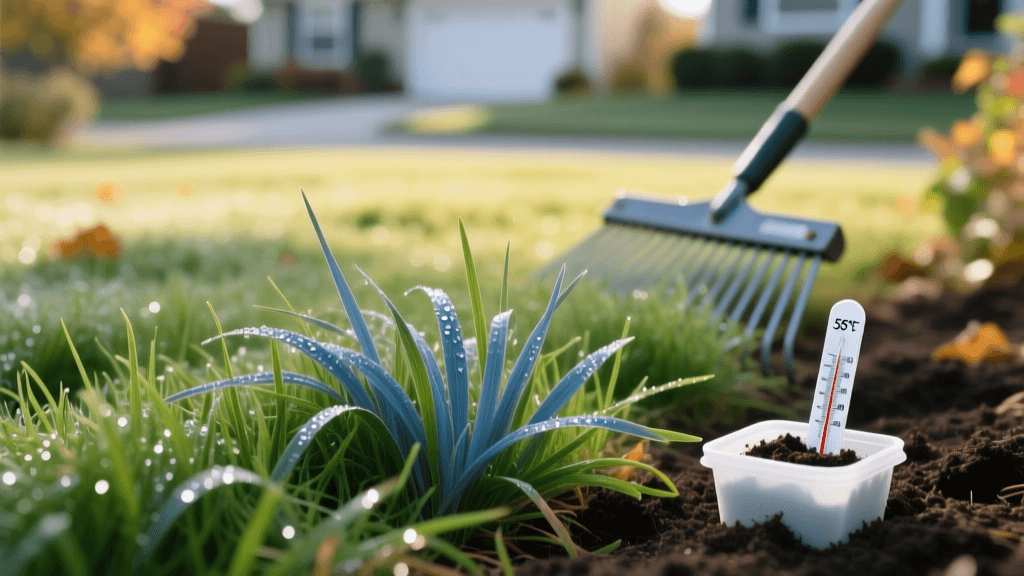
- Timing: Plant warm-season grasses between late May and early August. The soil temperature must be consistently above 70°F to encourage rapid root knit and establishment before the stress of late summer heat.
- Soil Preparation: Till the soil to a depth of 4 to 6 inches. Incorporate organic compost to improve moisture retention in sandy soils. Grade the yard to ensure a 2% slope away from your home's foundation to prevent water pooling.
- Initial Watering Schedule: Drought tolerance only applies to established lawns. For the first 14 days after laying sod, water twice daily (morning and early afternoon) for 10-15 minutes to keep the soil surface moist. In weeks three and four, transition to deep, infrequent watering (e.g., 1 inch of water every three days) to force roots to grow downward.
For more detailed regional planting guides and soil testing protocols, consult your local cooperative extension office or resources provided by Texas A&M AgriLife Extension.
Conclusion
Investing in a premium, drought-tolerant warm-season grass species is one of the smartest landscape decisions a Southern homeowner can make. While the upfront costs for hybrid sod like TifTuf Bermudagrass or Zeon Zoysia may be higher than common varieties, the long-term savings in water bills, fertilizers, and lawn replacement costs are substantial. By carefully assessing your site's sunlight, soil, and traffic needs, you can select a turfgrass variety that will remain resilient, beautiful, and environmentally responsible for decades to come.