
Landscaping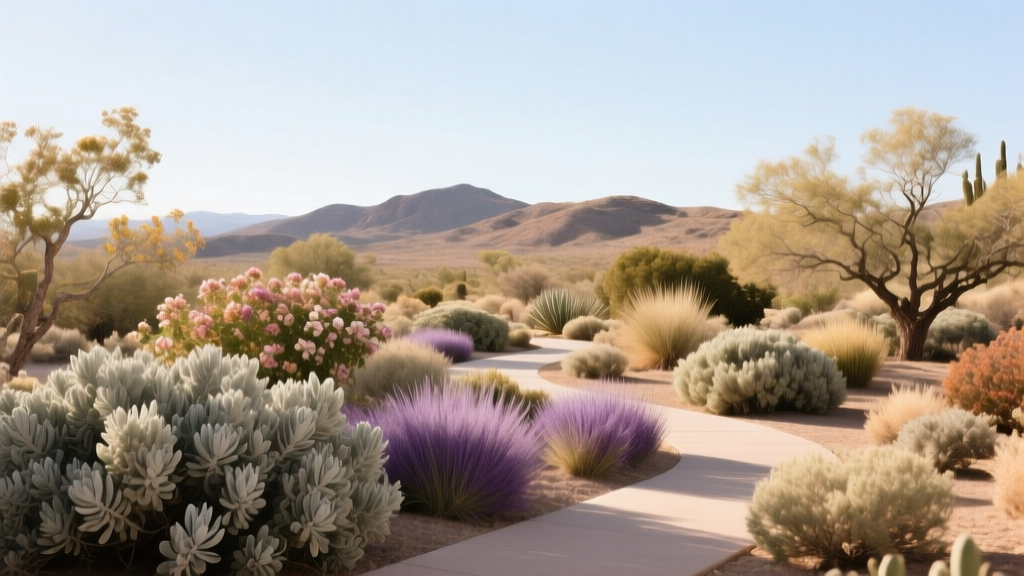
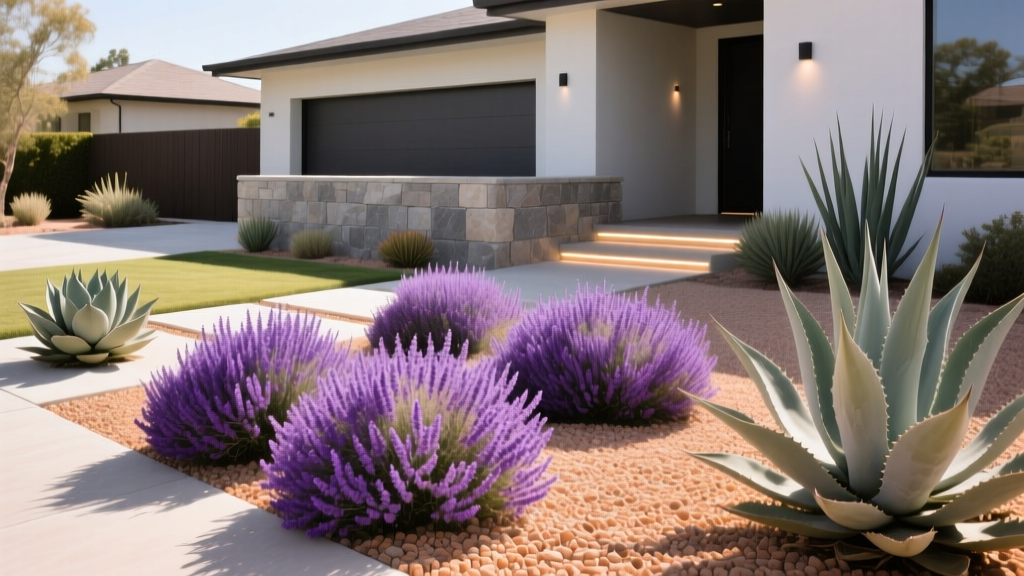
Top Drought-Tolerant Native Shrubs For Xeriscape Design
Xeriscaping native landscaping combines drought-tolerant indigenous plants with water-conserving design principles to create sustainable, low-maintenance outdoor spaces. For homeowners in arid and semi-arid climate zones facing strict municipal water restrictions, integrating native shrubs reduces outdoor water consumption by up to 60 percent compared to traditional turfgrass lawns. This guide is specifically designed for eco-conscious property owners and landscape contractors seeking resilient, regionally adapted plant solutions for water-wise garden transformations.
Key Takeaways
- Native shrubs reduce landscape water usage by 50 to 60 percent compared to conventional lawns.
- Hydrozoning groups plants with similar moisture needs to maximize irrigation efficiency.
- Root establishment requires deep watering for the first 90 days before transitioning to infrequent schedules.
Understanding Xeriscaping and Native Landscaping
Xeriscaping is a comprehensive landscaping methodology that minimizes or eliminates the need for supplemental irrigation by utilizing drought-resistant plants, efficient soil grading, and targeted mulching techniques to retain natural soil moisture in arid and semi-arid environments across residential and commercial properties.
Native Landscaping involves cultivating indigenous plant species that evolved naturally within a specific regional ecosystem, providing essential habitat for local pollinators while requiring minimal chemical fertilizers, synthetic pesticides, or artificial watering once their deep root systems are fully established in the soil.
According to the United States Environmental Protection Agency, outdoor water use accounts for nearly 30 percent of total household water consumption. Transitioning to drought resistant landscaping ideas directly mitigates this resource drain while supporting local biodiversity.
The National Wildlife Federation reports that native plants support up to 15 times more caterpillar species than non-native ornamentals, forming the foundational food web for regional bird populations.
Top Drought-Tolerant Native Shrubs
Selecting the right low water native shrubs ensures long-term survival without heavy municipal water reliance. The following species demonstrate exceptional resilience in 2026 climate models.
Desert Willow (Chilopsis linearis)
Desert Willow grows up to 25 feet tall and thrives in United States Department of Agriculture Hardiness Zones 7 through 11. This deciduous shrub requires only 12 inches of annual rainfall to maintain its vibrant trumpet-shaped blooms.
Texas Sage (Leucophyllum frutescens)
Reaching 6 feet in height and 4 feet in width, Texas Sage features distinctive silver foliage that reflects intense solar radiation. It blooms profusely following sudden humidity spikes, earning it the regional nickname barometer bush.
Apache Plume (Fallugia paradoxa)
Apache Plume is a semi-evergreen shrub native to the Southwestern United States. It produces striking white flowers that transition into feathery, plume-like seed heads, providing critical winter cover for small native avian species.
Native Shrub Selection Comparison Matrix
Use this decision framework to match specific native shrubs to your property's spatial constraints and regional climate parameters.
| Shrub Species | Mature Height | USDA Zones | Annual Water Need | 2026 Avg. Nursery Cost |
|---|---|---|---|---|
| Desert Willow | 25 feet | 7 - 11 | 12 inches | $65 |
| Texas Sage | 6 feet | 8 - 11 | 15 inches | $35 |
| Apache Plume | 5 feet | 4 - 9 | 10 inches | $28 |
Step-by-Step Xeriscape Installation
Soil Preparation and Hydrozoning
Hydrozoning dictates grouping plants with identical moisture requirements into dedicated irrigation zones. This prevents overwatering drought-adapted species while adequately hydrating transitional flora.
Amend heavy clay soils with 2 inches of expanded shale to improve drainage. Compacted soils suffocate native taproots, leading to premature crown rot during monsoon seasons.
Irrigation and Establishment
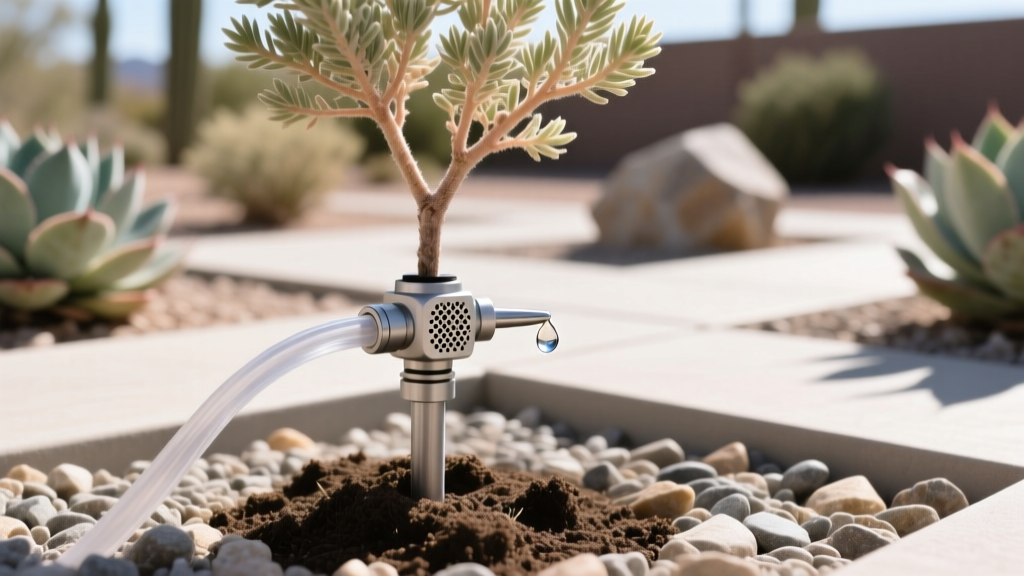
Native shrubs require consistent moisture during their initial establishment phase. Apply 2 gallons of water directly to the root ball twice weekly for the first 90 days.
The University of Arizona Cooperative Extension recommends applying a 3-inch layer of organic mulch around the base of newly planted shrubs to reduce soil surface evaporation by 40 percent.
Frequently Asked Questions
What are the best low water native shrubs for heavy clay soil?
Red Twig Dogwood (Cornus sericea) and Buttonbush (Cephalanthus occidentalis) tolerate poor drainage and heavy clay substrates better than most arid-adapted xeriscape species.
How does xeriscaping impact property resale value?
Properties featuring mature, well-designed xeriscape native landscaping often see a 10 to 15 percent increase in curb appeal valuation due to drastically reduced long-term maintenance costs and modern aesthetic preferences.
Can I mix non-native drought-resistant plants in a xeriscape?
While non-natives like Rosemary or Lavender survive in low-water environments, they offer zero ecological benefit to local food webs. Prioritizing indigenous species ensures structural support for native pollinator populations.
Conclusion and Next Steps
Implementing xeriscaping native landscaping transforms water-dependent yards into resilient, ecologically functional ecosystems. By selecting regionally adapted shrubs and employing strict hydrozoning principles, property owners eliminate excessive irrigation demands while fostering local biodiversity.
Your immediate next step is to conduct a comprehensive site sun-mapping exercise. Track sunlight exposure across your property in three-hour intervals to accurately place your selected native shrubs in their optimal microclimates before purchasing materials.

