Tree Care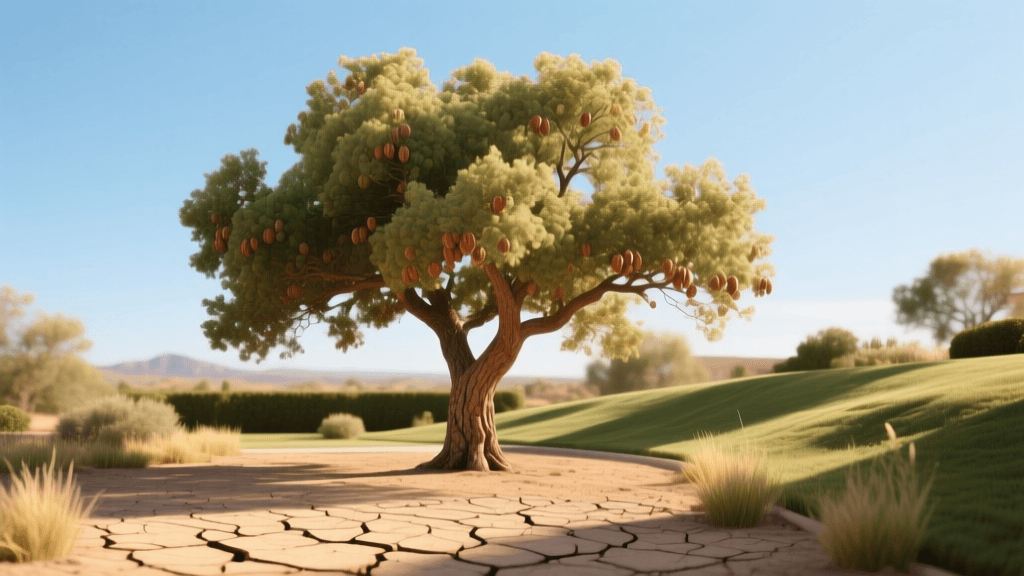
Selecting Drought-Tolerant Shade Trees for Hot Climates
The Importance of Climate-Resilient Tree Selection
As global temperatures rise and municipal water restrictions become more frequent, homeowners and landscape architects are fundamentally rethinking their planting strategies. Selecting the right tree is no longer just about aesthetics or fall color; it is about long-term survival and ecological resilience. In hot, arid climates or regions experiencing prolonged summer droughts, traditional shade trees like the shallow-rooted Silver Maple or the water-dependent Weeping Willow often fail to thrive without constant, expensive irrigation.
The concept of 'right plant, right place' is the cornerstone of modern arboriculture. According to the Arbor Day Foundation, matching a tree's natural hardiness zone and drought tolerance to your specific microclimate is the single most important decision you will make for your landscape. A well-chosen, drought-tolerant shade tree will reduce your home's cooling costs by up to 20% through strategic canopy shading, while requiring a fraction of the water and maintenance of more sensitive species.
Top Drought-Tolerant Shade Trees for Your Yard
When browsing nursery stock, it is vital to look beyond the sapling and envision the mature canopy. Below is a comparison chart of four exceptional shade trees that combine expansive canopies with remarkable drought resilience once established.
| Species | Mature Size (H x W) | Drought Tolerance | Soil Preference | Est. Cost (2" Caliper) |
|---|---|---|---|---|
| Bur Oak (Quercus macrocarpa) | 70-80' x 60-80' | Exceptional | Adaptable, Alkaline | $250 - $350 |
| Lacebark Elm (Ulmus parvifolia) | 40-50' x 35-45' | High | Moist, Well-drained | $180 - $250 |
| Shumard Oak (Quercus shumardii) | 60-80' x 50-60' | High | Slightly Acidic | $220 - $300 |
| Thornless Honeylocust (Gleditsia triacanthos) | 30-50' x 25-35' | Very High | Adaptable, Urban | $150 - $220 |
1. Bur Oak (Quercus macrocarpa)
The Bur Oak is a majestic, slow-growing giant that belongs in large, open landscapes. It develops a massive, deep taproot system that allows it to access subterranean moisture completely out of reach for other species. Its thick, corky bark makes it highly resistant to wildfires and extreme temperature fluctuations. While it takes decades to reach full maturity, the Bur Oak provides unparalleled, dense shade and supports hundreds of native pollinator species.
2. Lacebark Elm (Ulmus parvifolia)
Often confused with the Siberian Elm, the Lacebark Elm is a vastly superior, disease-resistant tree. It is highly immune to Dutch Elm Disease and features stunning, exfoliating bark that reveals a mosaic of gray, green, and orange patches. The Morton Arboretum frequently recommends this species for urban environments because it tolerates compacted soils, air pollution, and moderate drought stress while still providing a beautiful, arching canopy.
3. Shumard Oak (Quercus shumardii)
If you desire brilliant autumn color in a hot climate, the Shumard Oak is a premier choice. Native to the central and southern United States, it thrives in areas with hot, humid summers and alkaline soils. It produces large acorns that attract wildlife and develops a sturdy, upright branching structure that is highly resistant to wind and ice storms.
4. Thornless Honeylocust (Gleditsia triacanthos var. inermis)
For patios, driveways, and areas where you want filtered sunlight rather than deep, dark shade, the Thornless Honeylocust is ideal. Its tiny, compound leaves create a dappled shade that allows turfgrass to grow beneath it. Furthermore, the small leaves turn yellow in the fall and blow away easily, eliminating the need for heavy autumn raking. Ensure you specifically purchase the 'inermis' (thornless) and seedless cultivars like 'Shademaster' or 'Sunburst' to avoid the aggressive thorns and messy seed pods of the wild species.
Site Assessment and Soil Preparation
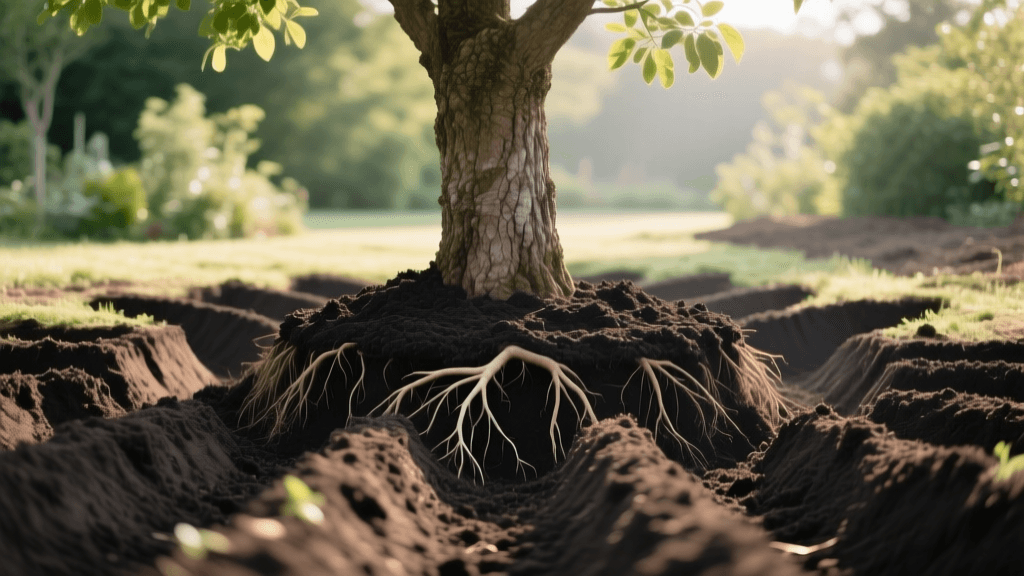
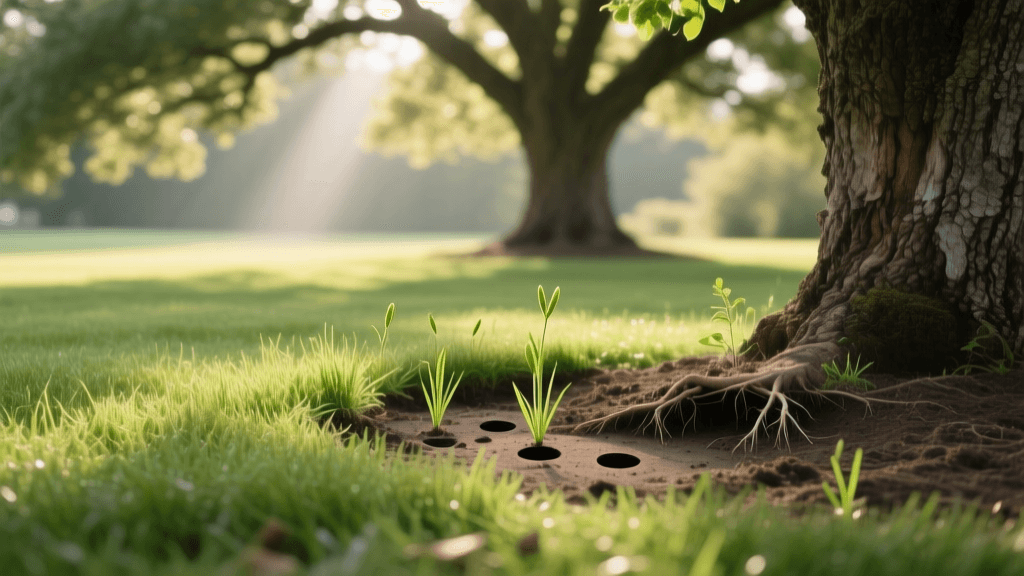
Before purchasing a tree, you must evaluate your site's drainage capacity. Drought-tolerant trees still require consistent moisture during their first two years of establishment, and many will suffer from root rot if planted in heavy, waterlogged clay. Perform a simple percolation test: dig a hole 12 inches deep and 12 inches wide, fill it with water, and let it drain completely. Refill it and measure how long it takes to drain. If the water level drops less than 1 inch per hour, you have poorly draining soil and may need to select a different species or install subsurface drainage.
Purchasing Guidelines and Initial Costs
When visiting a nursery, bypass the small, heavily root-bound containers and opt for a Balled and Burlapped (B&B) tree or a large container specimen with a caliper (trunk diameter measured 6 inches above the soil line) of 1.5 to 2.5 inches. Trees in this size range typically cost between $150 and $350, depending on the species and region. They are heavy enough to require two people or professional installation, but they establish much faster than smaller stock and are less susceptible to vandalism or accidental damage from string trimmers.
Proper Planting Techniques: Finding the Root Flare
The most common mistake homeowners make is planting a tree too deep. Research from university extensions, such as the University of Minnesota Extension, emphasizes that the root flare—the point where the trunk widens and transitions into the structural roots—must be completely visible and sit 1 to 2 inches above the surrounding grade. Planting a tree like a fence post, with the root flare buried under soil or mulch, girdles the tree, invites fungal pathogens, and severely limits its drought tolerance by suffocating the root system.
Dig a saucer-shaped hole that is two to three times wider than the root ball, but no deeper. Rough up the smooth sides of the hole to encourage lateral root penetration. Backfill with the native soil you just dug out; do not amend the backfill with compost or peat moss, as this creates a 'bathtub effect' where water pools in the loose organic matter rather than encouraging roots to expand into the native earth.
Establishing a Deep Watering Schedule
Drought tolerance is not an innate trait in a newly planted tree; it is a characteristic that develops over 2 to 3 years as the root system expands. During the establishment phase, you must provide approximately 10 to 15 gallons of water per inch of trunk caliper per week. For a 2-inch caliper tree, this means 20 to 30 gallons weekly during the growing season.
Pro Tip: Avoid frequent, shallow sprinkling. Use a soaker hose coiled around the root zone or a slow-release watering bag (like a Treegator) to deliver water deeply into the soil profile. Deep, infrequent watering trains the roots to grow downward in search of moisture, which is the key to long-term drought resilience.
Mulching for Moisture Retention
Mulch is a drought-tolerant tree's best friend. It regulates soil temperature, suppresses water-stealing weeds, and drastically reduces surface evaporation. Apply a 3-inch layer of shredded hardwood bark or wood chips in a ring extending at least 3 feet from the trunk. However, you must adhere to the '3-3-3 Rule' and strictly avoid 'volcano mulching.' Keep the mulch at least 3 inches away from the trunk itself to prevent bark decay and rodent damage. Never pile mulch against the trunk in a cone shape.
Long-Term Maintenance and Structural Pruning
Once established (typically after year three), your selected shade tree will require minimal supplemental watering, surviving primarily on natural rainfall. At this stage, maintenance shifts to structural pruning and health monitoring. Prune your oak and elm species exclusively during the dormant winter months (December through February) to eliminate the risk of attracting disease-carrying beetles, such as those responsible for Oak Wilt and Dutch Elm Disease.
By investing time in proper species selection, precise planting depth, and rigorous establishment watering, you will cultivate a magnificent, climate-resilient shade tree that cools your home, elevates your property value, and withstands the harshest summer heat for generations to come.