Tree Care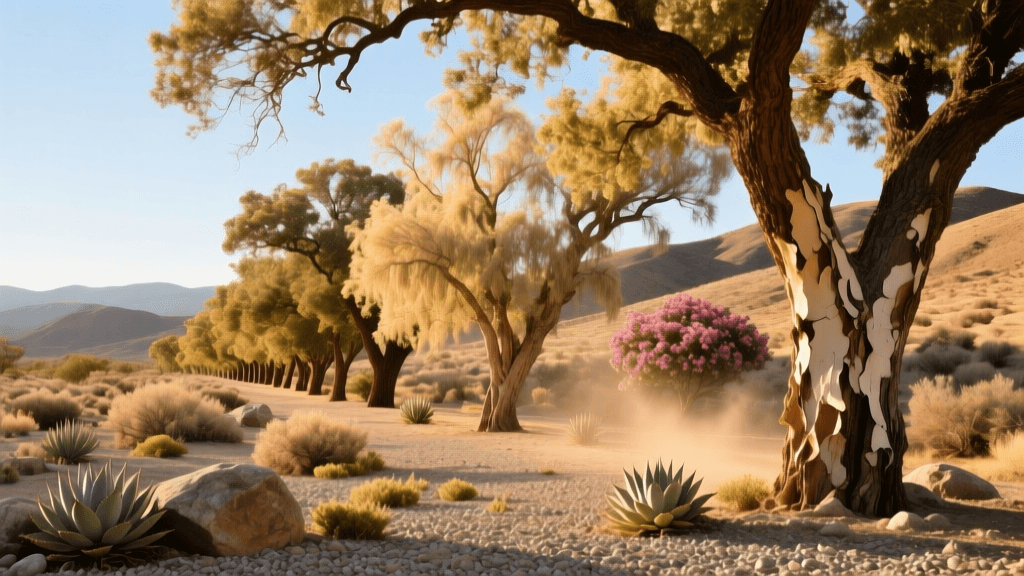
Best Drought-Tolerant Shade Trees for Zones 7-9
Introduction to Drought-Tolerant Shade Trees
Selecting the right shade tree for your landscape is one of the most impactful decisions you can make as a homeowner. A mature shade tree can reduce summer cooling costs by up to 25%, increase property values, and provide a stunning focal point in your yard. However, in regions characterized by scorching summers, periodic droughts, and strict municipal water restrictions, choosing a species that demands constant irrigation is a recipe for frustration and eventual tree decline. For homeowners in USDA Hardiness Zones 7 through 9, finding the intersection of expansive canopy coverage and deep drought resilience is the ultimate landscaping goal.
Evaluating Site Conditions and Climate Realities
According to the USDA Plant Hardiness Zone Map, Zones 7, 8, and 9 encompass a vast swath of the United States, ranging from the mid-Atlantic down through the Deep South and across to the arid Southwest. Minimum winter temperatures in these zones range from 0°F to 30°F, but the defining challenge for tree health is often the summer extreme. Prolonged periods of 90°F to 105°F heat, combined with low humidity and baked clay soils, can push non-native or water-dependent species to their physiological breaking points.
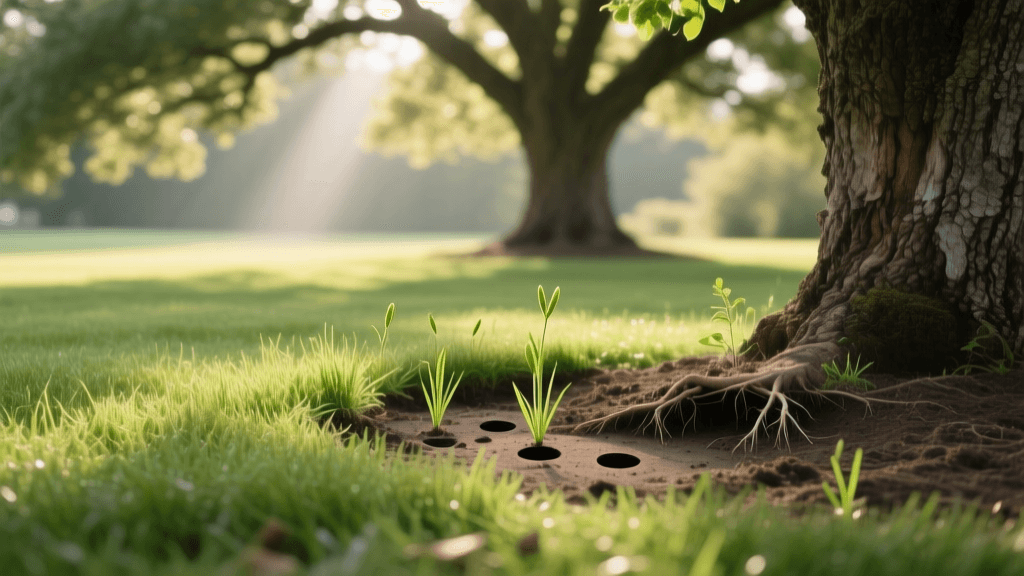
Before visiting a nursery, assess your specific microclimate. Note the soil drainage by digging a test hole 12 inches deep and filling it with water; if it takes more than six hours to drain, you have heavy clay that will require species adapted to poor aeration. Furthermore, consider overhead utility lines and underground infrastructure. A tree that reaches 60 feet at maturity must be planted at least 20 feet away from your home's foundation to prevent root intrusion and structural damage.
Top 5 Drought-Tolerant Shade Trees for Warm Climates
When shopping for trees, you will typically encounter them in 15-gallon or 30-gallon containers, or as balled-and-burlapped (B&B) specimens. A 15-gallon tree with a 1.5-inch caliper trunk typically costs between $80 and $150, while a 30-gallon specimen can range from $180 to $350. Below is a comparison of five exceptional shade trees that thrive in the heat and dry spells of Zones 7-9.
| Species | Mature Height | Canopy Spread | Drought Tolerance | Growth Rate |
|---|---|---|---|---|
| Bur Oak (Quercus macrocarpa) | 70-80 ft | 60-80 ft | Exceptional | Slow to Medium |
| Chinkapin Oak (Quercus muehlenbergii) | 40-50 ft | 40-50 ft | High | Medium |
| Lacebark Elm (Ulmus parvifolia) | 40-50 ft | 35-45 ft | High | Fast |
| Southern Magnolia (Magnolia grandiflora) | 60-80 ft | 30-50 ft | Moderate to High | Slow to Medium |
| Desert Willow (Chilopsis linearis) | 15-25 ft | 10-15 ft | Exceptional | Fast |
1. Bur Oak (Quercus macrocarpa)
The Bur Oak is a majestic, long-lived native species that develops a massive, rugged canopy. It is renowned for its deep taproot, which allows it to access subterranean moisture long after the topsoil has dried out. While its growth rate is relatively slow (about 12 to 18 inches per year), its wood is incredibly dense, making it highly resistant to storm damage and ice loads. It adapts to a wide variety of soil types, including alkaline clays, and produces large, distinctive acorns with fringed caps that attract local wildlife.
2. Chinkapin Oak (Quercus muehlenbergii)
If you want the durability of an oak but have a slightly smaller yard, the Chinkapin Oak is an outstanding choice. It thrives in alkaline soils where other oaks might suffer from iron chlorosis. Its leaves are glossy and dark green, turning a beautiful bronze or yellow-brown in the autumn. The Arbor Day Foundation highly recommends this species for urban environments due to its impressive tolerance for air pollution and compacted soils. It requires full sun and minimal pruning once established.
3. Lacebark Elm (Ulmus parvifolia)
Often confused with the disease-prone Siberian Elm, the Lacebark Elm is a completely different, highly resilient species. It is prized for its exfoliating bark, which reveals a mottled camouflage pattern of gray, green, orange, and brown as the tree matures. Growing at a rapid clip of 24 to 36 inches per year, it quickly establishes a broad, vase-shaped canopy ideal for shading patios and driveways. It is highly resistant to Dutch Elm Disease and tolerates both drought and urban smog with ease.
4. Southern Magnolia (Magnolia grandiflora)
For a touch of evergreen elegance, the Southern Magnolia is unmatched. While it requires consistent moisture during its first two years of establishment, a mature Southern Magnolia is surprisingly drought-tolerant. Its massive, fragrant white blooms and large, waxy leaves provide dense, year-round shade. Because it drops leaves continuously throughout the year, it is best planted in a naturalized area or over a mulch bed rather than in the middle of a manicured turf lawn to minimize cleanup.
5. Desert Willow (Chilopsis linearis)
While technically a large shrub or small multi-trunk tree, the Desert Willow is indispensable for smaller urban lots in Zones 8 and 9. It produces stunning, orchid-like pink and white flowers from late spring through early autumn. It requires exceptionally well-draining soil and will suffer from root rot if overwatered. Once established, it thrives on neglect, making it a perfect candidate for xeriscaping and low-water landscape designs.
Proper Planting Techniques for Heat Resilience
Even the most drought-tolerant species will fail if planted incorrectly. The most common mistake homeowners make is planting the tree too deeply. You must locate the root flare—the point where the trunk widens at the base and the first structural roots emerge. This flare must remain slightly above the surrounding soil grade. Burying the root flare suffocates the tree and invites fatal fungal pathogens.
Dig a planting hole that is two to three times wider than the root ball, but no deeper than the root ball itself. The sides of the hole should be roughened to allow lateral root penetration. When backfilling, use only the native soil you excavated; amending the backfill with rich compost creates a 'bathtub effect' that traps water and discourages roots from expanding into the surrounding native earth. Water the tree thoroughly immediately after planting to eliminate air pockets.
Strategic Mulching and Watering Schedules
Mulch is critical for regulating soil temperature and retaining moisture in hot climates. Follow the 3-3-3 rule: apply a mulch ring 3 feet in radius, 3 inches deep, and keep it 3 inches away from the tree trunk. Piling mulch directly against the bark (often called 'volcano mulching') causes bark decay and encourages rodents to girdle the trunk. Use organic hardwood mulch, which will slowly break down and improve soil structure over time.
During the first two growing seasons, your tree is in the 'establishment phase' and relies on supplemental watering. Provide 10 to 15 gallons of water per inch of trunk caliper per week during the growing season. Use a slow-release watering bag or a soaker hose to deliver water deeply into the root zone. Shallow, frequent sprinkling encourages weak, surface-level roots that will quickly perish during a heatwave. According to urban forestry guidelines published by the NC State University Extension, deep, infrequent watering trains the root system to grow downward in search of moisture, building long-term drought resilience.
Long-Term Maintenance and Structural Pruning
Once established, drought-tolerant shade trees require minimal intervention. However, structural pruning during the first five years is essential to develop a strong central leader and well-spaced lateral branches. Remove any crossing branches, water sprouts, or limbs with narrow, V-shaped crotches that are prone to splitting during summer thunderstorms. Pruning should be performed during the dormant season (late winter) to minimize stress and reduce the risk of attracting wood-boring insects, which are highly active in the spring and summer months.
Fertilization is rarely necessary for established native shade trees unless a soil test indicates a specific deficiency. Excessive nitrogen fertilization promotes rapid, weak, and sappy growth that attracts aphids and scale insects while increasing the tree's water demand. Focus instead on maintaining a healthy mulch ring and protecting the trunk from lawnmower damage, which creates open wounds for disease entry.
Conclusion
Selecting a drought-tolerant shade tree for Zones 7 through 9 is an investment in the long-term sustainability and beauty of your landscape. By prioritizing species like the Bur Oak, Lacebark Elm, or Chinkapin Oak, and pairing them with meticulous planting and deep-watering techniques, you can cultivate a lush, cooling canopy that withstands the harshest summer conditions. Take the time to evaluate your site, choose the right species, and give your tree the structural foundation it needs to thrive for generations to come.