
Landscaping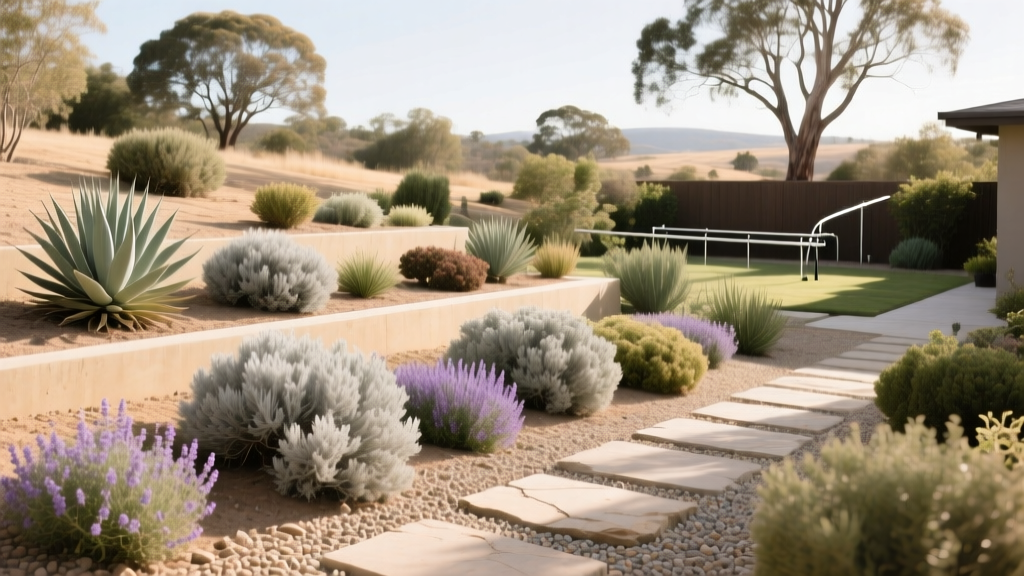
Best Drought-Tolerant Shrubs for Sustainable Landscaping
James MillerPublished
The Shift Toward Water-Wise Landscape Design
Sustainable landscaping has evolved from a niche environmental movement into a core principle of modern landscape architecture and garden design. As municipal water restrictions become more common, summer droughts intensify, and homeowners seek lower-maintenance yards, the selection of plant varieties has shifted dramatically. Instead of relying on thirsty, exotic ornamentals that require constant irrigation and chemical inputs, landscape professionals and master gardeners are turning to drought-tolerant native and adapted shrubs. These resilient plants not only survive harsh environmental conditions but also provide essential habitat for local wildlife, reduce chemical runoff into local watersheds, and significantly lower household utility bills.
Why Choose Drought-Tolerant Native Shrubs?
The ecological and economic arguments for transitioning to water-wise shrubs are compelling. According to the Environmental Protection Agency (EPA), outdoor water use accounts for nearly 30% of total household water consumption, with landscape irrigation making up the vast majority of that footprint. By strategically replacing water-thirsty foundation plants and hedges with drought-tolerant shrubs, homeowners can reduce outdoor water use by 20% to 50% without sacrificing curb appeal.
Furthermore, native species have co-evolved with local pests, soils, and pollinators over thousands of years. The National Wildlife Federation's Native Plant Finder highlights that native shrubs support exponentially more caterpillar and native bee species than non-native alternatives. For instance, while an exotic privet hedge may offer dense privacy, it provides almost zero ecological value. In contrast, a native Yaupon Holly or California Lilac serves as a vital host plant for insects and a crucial food source for local and migratory bird populations, making them a cornerstone of eco-friendly, biodiverse garden design.
Top Drought-Tolerant Shrubs by Climate Region
Selecting the right shrub requires an understanding of your specific regional climate, soil type, and micro-environment. Here is a breakdown of top-performing, drought-tolerant shrubs categorized by major climate zones.
The Arid Southwest & Desert Climates
In regions with extreme heat, alkaline soils, and minimal rainfall, shrubs must be exceptionally tough. Texas Sage (Leucophyllum frutescens), also known as Texas Ranger, is an evergreen shrub celebrated for its silvery, velvety foliage and spectacular bursts of purple blooms that are often triggered by spikes in humidity or summer rain. It thrives in full sun, requires excellent drainage, and is highly reflective, making it ideal for hot, west-facing exposures. Another excellent choice is the Desert Ruellia (Ruellia peninsularis), which offers continuous magenta flowers, attracts hummingbirds, and thrives in poor, rocky soils where other plants would perish.
West Coast & Mediterranean Climates
Regions with wet, mild winters and hot, dry summers require shrubs adapted to summer dormancy. California Lilac (Ceanothus spp.) ranges from low-growing groundcovers to large, arching shrubs, providing breathtaking blue flower clusters in spring. They are notoriously sensitive to summer watering; once established, they should receive zero supplemental irrigation to prevent fatal root rot. Manzanita (Arctostaphylos spp.) is another striking option, featuring smooth, mahogany-red exfoliating bark, evergreen leaves, and urn-shaped winter flowers that support early-season hummingbirds when little else is blooming.
The Southeast & Humid Subtropical Zones
While the Southeast receives ample annual rainfall, summer heat and periodic droughts can stress shallow-rooted plants. Yaupon Holly (Ilex vomitoria) is a versatile, broadleaf evergreen that tolerates a wide range of soil types, including poorly drained clay and sandy coastal soils. Dwarf varieties like 'Nana' are perfect for foundation plantings, while the straight species can be trained into a small, multi-trunked tree. Wax Myrtle (Morella cerifera) is another rugged Southeast native that acts as an excellent, fast-growing privacy screen. It tolerates both severe drought and occasional flooding while emitting a pleasant, spicy bay-rum fragrance when pruned.
Soil Preparation and Drainage Testing
Before purchasing any drought-tolerant shrub, you must assess your site's drainage. Many Mediterranean and desert natives will quickly die in heavy, waterlogged clay soils, even if they are rated as 'drought-tolerant.' Perform a simple percolation test: dig a hole 12 inches deep and 12 inches wide, fill it with water, and let it drain completely. Fill it a second time and measure how long it takes to drain. If the water level drops less than one inch per hour, you have heavy clay soil.
For drought-tolerant shrubs in poorly draining soil, you must plant on berms or mounds. Elevating the root crown 6 to 12 inches above the surrounding grade ensures that water drains away from the stem, preventing crown rot. Avoid the common mistake of amending the planting hole with rich compost or peat moss. This creates a 'bathtub effect' where roots circle the amended zone rather than venturing into the native soil. Instead, dig a hole twice as wide as the root ball but no deeper, and backfill with the exact native soil you removed.
Comprehensive Shrub Selection Chart
Use the following data table to compare top drought-tolerant shrubs for your landscape design. Always cross-reference your local conditions with the USDA Plant Hardiness Zone Map to ensure winter survival.
| Common Name | Botanical Name | USDA Zones | Mature Size (H x W) | Light Requirements | Water Needs |
|---|---|---|---|---|---|
| Texas Sage | Leucophyllum frutescens | 8 - 11 | 6 ft x 6 ft | Full Sun | Very Low |
| California Lilac | Ceanothus thyrsiflorus | 7 - 10 | 10 ft x 15 ft | Full Sun | Low (No summer water) |
| Yaupon Holly | Ilex vomitoria | 7 - 9 | 15 ft x 20 ft | Sun / Part Shade | Low to Medium |
| Wax Myrtle | Morella cerifera | 7 - 11 | 12 ft x 15 ft | Sun / Part Shade | Low to Medium |
| Oregon Grape | Mahonia aquifolium | 5 - 8 | 6 ft x 5 ft | Part Shade | Low |
| Agarita | Berberis trifoliolata | 7 - 9 | 6 ft x 6 ft | Full Sun | Very Low |
Crucial Planting and Establishment Guidelines
The biggest misconception in xeriscaping and sustainable landscaping is that 'drought-tolerant' means 'plant and forget.' In reality, all shrubs require a dedicated establishment period to develop the deep, expansive root systems necessary for long-term survival without supplemental irrigation. For the first 12 to 18 months, you must water deeply and infrequently. Deep watering encourages roots to grow downward into the cooler, moister soil layers, whereas frequent, shallow watering keeps roots near the surface where they are vulnerable to heat and evaporation.
Mulching is equally critical, but the type of mulch depends on the plant's origin. For desert natives and Mediterranean shrubs like Texas Sage and Manzanita, use inorganic gravel or decomposed granite mulch. Gravel prevents moisture from being trapped against the woody stem, which can cause fatal fungal infections. For woodland, coastal, or Southeastern natives like Yaupon Holly and Oregon Grape, use organic wood chips or shredded bark to retain moisture, suppress weeds, and regulate soil temperature. Keep all mulch pulled back at least 3 inches from the main trunk of the shrub.
Design Principles: Hydrozoning and Hardscaping
Hydrozoning is the fundamental practice of grouping plants with similar water, sun, and soil requirements together in distinct zones. This prevents the common landscaping error of placing a drought-loving Ceanothus next to a water-thirsty Hydrangea or Fern, which inevitably leads to the death of the drought-tolerant plant due to overwatering. Group your low-water shrubs together on a dedicated irrigation valve that can be turned off entirely after the establishment period.
Integrate these shrubs with permeable hardscaping to maximize water efficiency. Using flagstone pathways with creeping thyme between the joints, or decomposed granite patios, allows rainwater to percolate directly into the soil profile rather than running off into municipal storm drains. Boulders and retaining walls can also be used strategically to create microclimates; a large rock will absorb heat during the day and radiate it at night, protecting marginally hardy shrubs from early winter frosts.
Seasonal Interest and Long-Term Maintenance
Sustainable landscaping does not mean a barren, desert-like yard devoid of color. By selecting a diverse variety of species, you can achieve four-season interest. For example, the Texas Sage blooms vibrantly in the heat of summer, the Manzanita provides structural interest and blooms in late winter, and the Yaupon Holly produces brilliant, translucent red berries in fall and winter, providing crucial food for overwintering birds when insects are scarce.
Long-term care for drought-tolerant shrubs is minimal but requires a shift in traditional gardening habits. Avoid synthetic fertilizers entirely. High-nitrogen fertilizers force rapid, sappy green growth that is highly susceptible to aphid infestations and requires significantly more water to sustain. Pruning should be done selectively using hand pruners to remove dead wood or shape the plant immediately after its blooming cycle. Avoid using gas-powered hedge trimmers to shear these plants into rigid, formal topiaries. Embracing the natural, architectural form of these shrubs reduces plant stress, minimizes maintenance labor, and drastically lowers their overall water demands, resulting in a landscape that is as beautiful as it is ecologically responsible.

