Tree Care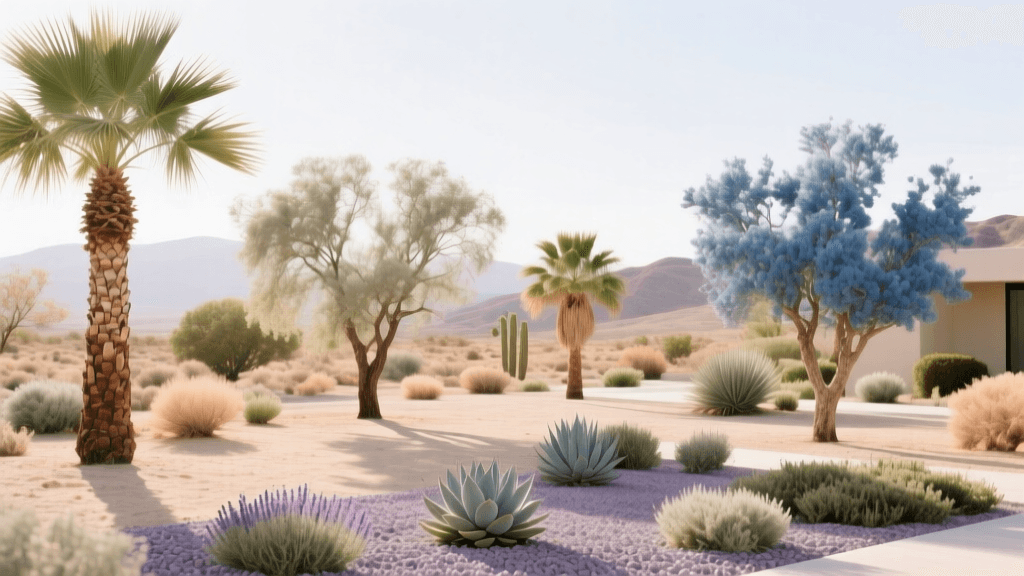
Top Drought-Tolerant Trees for Water-Wise Landscapes
As global temperatures rise and municipal water restrictions become a standard part of summer life in many regions, homeowners are fundamentally rethinking their landscapes. The traditional, water-thirsty turfgrass lawn is steadily giving way to xeriscaping, native gardening, and water-wise landscaping. At the heart of any resilient, low-water landscape is the careful selection of drought-tolerant trees. Choosing the right species not only conserves precious water resources but also reduces your monthly utility bills, minimizes yard maintenance, and provides crucial shade that cools your home and surrounding garden beds. However, selecting a drought-resistant tree requires more than just picking a desert shrub; it involves understanding your local microclimate, soil conditions, and the long-term growth habits of the species you introduce to your property.
Why Choose Drought-Tolerant Tree Species?
Planting drought-tolerant trees is an investment in the long-term sustainability of your property. According to the Arbor Day Foundation, trees are essential for combating the urban heat island effect, and drought-resistant varieties ensure that this cooling canopy survives even during severe summer dry spells. Beyond environmental benefits, water-wise trees offer practical advantages for the homeowner:
- Reduced Water Bills: Once established, these trees survive on natural rainfall, eliminating the need for costly supplemental irrigation.
- Lower Maintenance: Drought-adapted species are generally more resistant to local pests and fungal diseases that thrive in overly moist, heavily irrigated soils.
- Climate Resilience: Deep-rooted, hardy trees are better equipped to withstand extreme temperature fluctuations and prolonged heatwaves.
- Water Conservation: By reducing outdoor water use, you help preserve local aquifers and reservoirs, which is critical in drought-prone regions like the American Southwest and parts of the Mediterranean.
Top Drought-Tolerant Trees for Residential Yards
When selecting a tree, it is vital to match the species to your USDA Hardiness Zone and soil type. Below are five exceptional drought-tolerant trees that provide beauty, shade, and ecological value without demanding constant watering.
1. Bur Oak (Quercus macrocarpa)
The Bur Oak is a majestic, long-lived shade tree native to North America. It is renowned for its massive, deeply lobed leaves and rugged, fire-resistant bark. What makes the Bur Oak incredibly drought-tolerant is its profound taproot, which can plunge deep into the earth to access subterranean moisture unavailable to shallow-rooted plants. It thrives in full sun and adapts to a wide variety of soil types, including heavy clay. While it grows relatively slowly, reaching a mature height of 70 to 80 feet, its sprawling canopy provides unparalleled summer shade.
2. Desert Willow (Chilopsis linearis)
Despite its name, the Desert Willow is not a true willow but a deciduous shrub or small tree native to the southwestern United States and Mexico. It is prized for its striking, orchid-like pink and white blossoms that bloom profusely from late spring through early fall, attracting hummingbirds and native pollinators. Thriving in USDA zones 7 through 9, the Desert Willow prefers lean, well-draining soil and requires almost no supplemental water once established. It typically reaches 15 to 25 feet in height, making it an excellent choice for patios, courtyards, and small xeriscape gardens.
3. Crape Myrtle (Lagerstroemia indica)
Often referred to as the "Lilac of the South," the Crape Myrtle is a staple in warm-climate landscapes. It offers multi-season interest with vibrant summer flower clusters, brilliant autumn foliage, and striking, peeling winter bark. Modern cultivars have been bred for high resistance to powdery mildew and exceptional drought tolerance. Crape Myrtles thrive in full sun and well-drained soil. Depending on the variety, they can be maintained as compact shrubs or trained into multi-trunk trees reaching 20 to 30 feet tall. A 5-gallon container specimen typically costs between $40 and $80 at local nurseries.
4. Eastern Redcedar (Juniperus virginiana)
For homeowners seeking an evergreen windbreak or privacy screen, the Eastern Redcedar is an indestructible option. This native conifer tolerates extreme drought, poor rocky soils, and harsh winter winds. Its dense, scale-like foliage provides critical winter shelter for wildlife. While it prefers full sun and well-drained soil, it is remarkably adaptable. It grows at a medium rate, eventually reaching 40 to 50 feet in height with a narrow, pyramidal spread of 8 to 15 feet, making it ideal for tight property lines.
5. Ginkgo (Ginkgo biloba)
The Ginkgo is a "living fossil" that has survived on Earth for millions of years, and its resilience translates beautifully to the modern urban landscape. It is highly tolerant of drought, air pollution, and compacted city soils. In autumn, its fan-shaped leaves turn a breathtaking, luminous yellow before dropping all at once. When selecting a Ginkgo, always purchase a named male cultivar (such as 'Autumn Gold' or 'Princeton Sentry') to avoid the foul-smelling fruit produced by female trees. Mature trees can reach 50 to 75 feet.
Species Comparison Chart
| Tree Species | Mature Height | USDA Zones | Sun Exposure | Water Needs (Established) |
|---|---|---|---|---|
| Bur Oak | 70 - 80 ft | 3 - 8 | Full Sun | Very Low |
| Desert Willow | 15 - 25 ft | 7 - 9 | Full Sun | Extremely Low |
| Crape Myrtle | 10 - 30 ft | 6 - 9 | Full Sun | Low |
| Eastern Redcedar | 40 - 50 ft | 2 - 9 | Full Sun | Very Low |
| Ginkgo (Male) | 50 - 75 ft | 3 - 8 | Full / Part Sun | Low to Moderate |
The Establishment Period: Crucial Watering Guidelines
A common and costly misconception among homeowners is that "drought-tolerant" means "plant and forget." This is entirely false. According to planting guidelines published by the Colorado State University Extension, all trees, regardless of their ultimate drought resistance, require consistent and deep watering during their establishment period. This period typically lasts one to three years, depending on the tree's caliper (trunk diameter) at the time of planting.
During the first growing season, a newly planted tree should receive approximately 10 to 15 gallons of water per week, applied slowly to ensure it penetrates deep into the root ball and surrounding native soil. Using a slow-release deep root watering stake or a drip irrigation system set to a low flow rate is highly recommended. This encourages the roots to grow downward in search of moisture, rather than lingering near the surface. Only after the root system has expanded well beyond the original planting hole can you begin to taper off supplemental irrigation and rely on natural rainfall.
Soil Preparation and Proper Mulching
The success of a drought-tolerant tree is heavily dependent on soil drainage. Many xeriscape species, such as the Desert Willow and Eastern Redcedar, will quickly succumb to root rot if planted in heavy, waterlogged clay soils. If your yard has poor drainage, consider planting the tree slightly elevated (creating a gentle berm) or amending the planting zone with expanded shale and coarse organic compost to improve percolation.
Mulching is equally critical for moisture retention. Apply a 2 to 4-inch layer of organic mulch, such as shredded hardwood bark or pine needles, in a wide ring around the base of the tree. This mulch layer regulates soil temperature, suppresses water-stealing weeds, and reduces surface evaporation. However, you must avoid "volcano mulching"—piling mulch against the trunk. Keep the mulch at least 3 inches away from the tree's bark to prevent fungal infections and rodent damage.
Common Mistakes to Avoid When Selecting Trees
When transitioning to a water-wise landscape, avoid these frequent pitfalls:
- Ignoring Microclimates: A south-facing wall reflects intense heat and dries out soil rapidly, while a low-lying depression might collect runoff and stay boggy. Match the tree to the specific microclimate of the planting site.
- Overlooking the WUCOLS Database: For those in arid and semi-arid regions, consulting the University of California WUCOLS database (Water Use Classification of Landscape Species) is an invaluable step. It provides region-specific data on the actual water requirements of thousands of landscape plants, preventing you from accidentally buying a "thirsty" plant mislabeled at a big-box store.
- Planting Invasive Species: Some highly drought-tolerant trees, like the Tree of Heaven (Ailanthus altissima) or certain Tamarisk species, are aggressively invasive and can destroy local ecosystems. Always verify that your chosen species is non-invasive in your specific state or county.
- Fertilizing During Drought: Never apply high-nitrogen synthetic fertilizers to a drought-stressed or newly established drought-tolerant tree. Fertilizer pushes rapid, tender top growth that the compromised root system cannot support, increasing the tree's water demand and susceptibility to pests.
Conclusion
Transitioning to a water-wise landscape does not mean sacrificing beauty, shade, or property value. By carefully selecting drought-tolerant tree species like the Bur Oak, Desert Willow, or Crape Myrtle, you can cultivate a vibrant, resilient yard that thrives in the face of challenging weather conditions. Remember that the key to long-term success lies in proper site selection, meticulous watering during the first few years of establishment, and maintaining a healthy mulch ring. With patience and the right species, your landscape will become a self-sustaining oasis for decades to come.