Lawn Care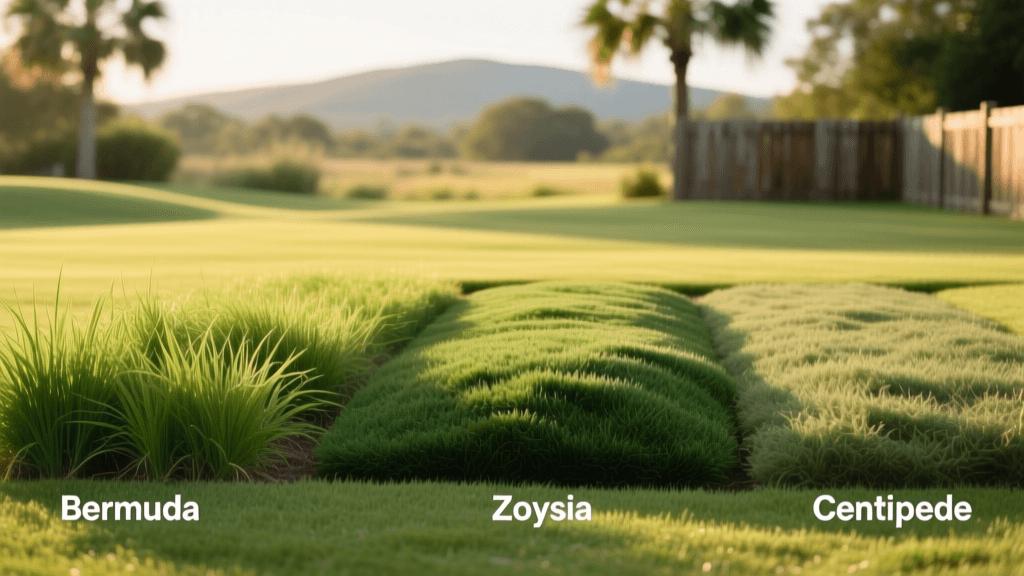
Top Drought-Tolerant Grass Species for Southern Lawns
Introduction
Selecting the right turfgrass is the most critical decision you will make for your lawn, especially in regions prone to summer heat and water restrictions. For homeowners in the southern United States, transition zones, and areas with long, sweltering summers, cool-season grasses like Kentucky Bluegrass or Fescue simply cannot survive without massive irrigation inputs. This is where warm-season grasses shine. However, not all warm-season species are created equal when it comes to water conservation. If your goal is to maintain a lush, green yard while minimizing your water bill and environmental impact, you must choose a species with innate drought tolerance. According to the University of California Agriculture and Natural Resources Lawn Guide, matching the grass species to your local microclimate and water availability is the foundation of sustainable landscaping. In this comprehensive guide, we will explore the top drought-tolerant warm-season grass species, compare their maintenance requirements, and provide actionable advice on establishment and care.
Understanding Warm-Season Grasses
Warm-season grasses originate from tropical and subtropical regions. They thrive in air temperatures between 80°F and 95°F and grow most vigorously when soil temperatures are consistently above 65°F. Unlike their cool-season counterparts, warm-season grasses will naturally enter a state of dormancy when temperatures drop in late fall, turning a straw-brown color until the soil warms up again in spring. While this winter dormancy is a cosmetic drawback for some, the trade-off is exceptional summer resilience. The root systems of warm-season grasses are generally deeper and more robust, allowing them to access subterranean moisture and survive prolonged dry spells. However, drought-tolerant does not mean drought-proof. Even the most resilient species will require strategic watering during establishment and extreme heatwaves to maintain aesthetic quality.
Warm-Season Grass Species Comparison Chart
Before diving into the specifics of each species, review the table below to see how the top three drought-tolerant grasses stack up against one another.
| Feature | Bermuda Grass | Zoysia Grass | Centipede Grass |
|---|---|---|---|
| Drought Tolerance | Excellent | Very Good | Good |
| Shade Tolerance | Poor | Moderate | Moderate |
| Foot Traffic | Excellent | Good | Poor |
| Ideal Soil pH | 6.0 - 7.0 | 6.0 - 6.5 | 5.0 - 6.0 |
| Mowing Height | 1.0 - 1.5 inches | 1.5 - 2.5 inches | 1.5 - 2.0 inches |
| Nitrogen Needs (lbs/1k sq ft/yr) | 2.0 - 4.0 | 1.0 - 2.0 | 0.5 - 1.0 |
Bermuda Grass: The High-Traffic Drought Champion
Bermuda grass (Cynodon dactylon) is arguably the most popular warm-season turfgrass in the southern United States, and for good reason. Its aggressive stolon and rhizome growth allows it to recover rapidly from damage, making it ideal for high-traffic areas, sports fields, and active families. More importantly, Bermuda grass boasts exceptional drought tolerance. During severe dry periods, it will roll its leaves to reduce transpiration and eventually go dormant, but it will quickly green up once moisture returns.
Top Varieties for Drought Resistance
Not all Bermuda grass is the same. Common Bermuda, often grown from seed, has a coarser texture and lower overall density. For superior drought resistance and aesthetics, look into improved hybrid varieties. TifTuf is a standout cultivar developed by the University of Georgia. According to the University of Georgia Extension Lawn Care resources, TifTuf uses up to 38% less water than other Bermuda varieties while maintaining high turf quality. Celebration is another excellent choice, known for its deep blue-green color, aggressive deep rooting, and moderate shade tolerance compared to other Bermudas.
Maintenance and Care
Bermuda grass is a heavy feeder. To maintain a dense canopy that shades out weeds and retains soil moisture, plan to apply 2 to 4 pounds of nitrogen per 1,000 square feet annually, split into monthly applications from late spring through late summer. Mow frequently, keeping the height between 1.0 and 1.5 inches for hybrid varieties, and up to 2.0 inches for common seeded varieties. Because it grows so aggressively, annual core aeration in early summer is highly recommended to prevent soil compaction and excessive thatch buildup.
Zoysia Grass: The Dense, Low-Water Carpet
Zoysia grass (Zoysia spp.) is prized for its lush, carpet-like appearance and stiff leaf blades that feel soft underfoot. It is slightly slower to establish than Bermuda but forms an incredibly dense turf that naturally chokes out most summer weeds. Zoysia's drought tolerance stems from its ability to go dormant during dry spells and its deep root system, which can reach up to six feet in optimal soil conditions, though most of the active water-absorbing roots are in the top 12 inches.
Top Varieties for Drought Resistance
Zeon Zoysia is a fine-bladed variety that offers excellent drought tolerance and surprisingly good shade performance for a warm-season grass. It requires less fertilizer than Bermuda and maintains a beautiful dark green color. Empire Turf is a broader-bladed Zoysia that is exceptionally tough, highly drought-resistant, and requires very little mowing due to its slower vertical growth rate. Empire is a favorite in coastal and deep-south regions where salt spray and extreme heat are common.
Maintenance and Care
Zoysia requires less nitrogen than Bermuda—typically 1 to 2 pounds per 1,000 square feet per year. Over-fertilizing Zoysia can lead to severe thatch accumulation, which creates a hydrophobic barrier that prevents water from reaching the soil. Mow Zoysia between 1.5 and 2.5 inches. If thatch exceeds half an inch, schedule a dethatching or core aeration service in early June. The Clemson University Home & Garden Information Center notes that Zoysia's slow growth rate means it takes longer to recover from physical damage, so avoid using it for heavy sports play.
Centipede Grass: The Low-Maintenance Survivor
Centipede grass (Eremochloa ophiuroides) is often referred to as the lazy man's grass because of its remarkably low fertility and mowing requirements. Native to southern China, it thrives in the sandy, acidic soils of the Southeast. While its drought tolerance is generally rated as good rather than excellent compared to Bermuda, its overall water requirement is very low because it grows slowly and does not demand heavy irrigation to sustain rapid vegetative growth.
Varieties and Limitations
Unlike Bermuda and Zoysia, Centipede grass has fewer commercial cultivars. TifBlair is the most notable improved variety, offering better cold tolerance and deeper roots than common Centipede, which translates to improved drought survival. The primary limitation of Centipede grass is its sensitivity to high soil pH and heavy foot traffic. If your soil pH is above 6.5, Centipede will suffer from iron chlorosis, turning yellow and thinning out, which reduces its ability to photosynthesize and survive dry periods.
Maintenance and Care
Centipede grass requires very little nitrogen—just 0.5 to 1.0 pounds per 1,000 square feet per year. Applying too much nitrogen will actually harm the grass, causing a phenomenon known as Centipede grass decline, where the root system collapses. Mow at 1.5 to 2.0 inches. Because it prefers acidic soil, you rarely need to apply lime; in fact, you may need to apply elemental sulfur to lower the pH if it drifts too high.
Matching the Grass to Your Yard's Microclimate
Selecting a drought-tolerant species is only half the battle; you must also match the grass to your yard's specific conditions. Here is a quick decision matrix to help you choose:
- Full Sun & High Traffic: Choose Hybrid Bermuda (TifTuf or Celebration). It will handle the abuse and bounce back from drought quickly.
- Mixed Sun/Shade & Moderate Traffic: Choose Zoysia (Zeon or Empire). It offers the best compromise between drought survival, shade tolerance, and aesthetic appeal.
- Acidic Soil, Low Budget, Low Traffic: Choose Centipede (TifBlair). It requires minimal inputs and thrives in poor, sandy soils where other grasses starve.
Expert Tip: Before purchasing any sod or seed, always conduct a professional soil test. Knowing your baseline pH and organic matter content will dictate which species will naturally thrive with minimal supplemental watering and fertilization.
Establishment Methods and Costs
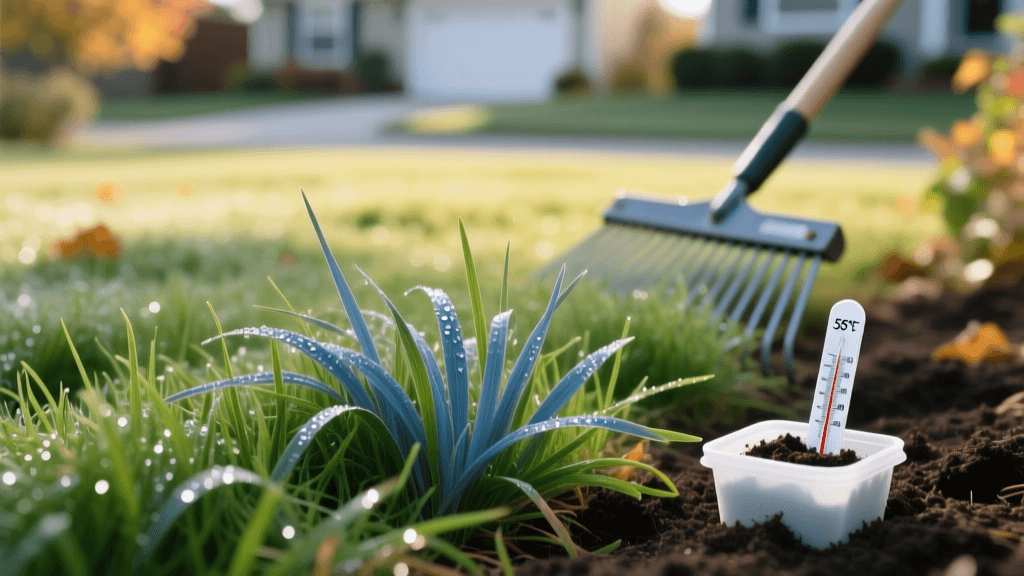
Warm-season grasses should be planted in late spring to early summer when soil temperatures are consistently above 65°F. This timing allows the root system to establish before the peak heat of late summer and provides months of growth before winter dormancy.
Sod vs. Seed vs. Plugs
Sod provides an instant lawn and is the most reliable method for erosion control and immediate drought resilience. However, it is the most expensive option. Expect to pay $0.40 to $0.80 per square foot for Bermuda and Zoysia sod, plus delivery and installation fees.
Seed is the most cost-effective method but is only viable for common Bermuda and Centipede grass. Hybrid Zoysia and hybrid Bermuda do not produce viable seed. Centipede seed is relatively expensive, costing $30 to $40 per pound, but the seeding rate is very low (0.25 lbs per 1,000 sq ft). Common Bermuda seed costs $15 to $25 per pound.
Plugs and Sprigs are ideal for Zoysia and hybrid Bermuda. Plugs are small, rooted circles of grass planted on a grid (usually 12 inches apart). They cost $0.15 to $0.30 each. While cheaper than sod, plugs require aggressive watering during the first six weeks and take a full growing season to completely fill in.
Watering Best Practices for Drought-Tolerant Lawns
Once established, the key to maintaining a drought-tolerant lawn is training the roots to grow deep. The University of California Agriculture and Natural Resources Lawn Guide emphasizes the deep and infrequent watering method. Instead of watering for 15 minutes every day, apply 1 inch of water once a week, or 0.5 inches twice a week. This forces the roots to chase the moisture deep into the soil profile, creating a reservoir of water access that shallow-rooted weeds cannot compete with.
Invest in a smart irrigation controller equipped with soil moisture sensors or local weather data integration. These devices automatically skip watering cycles after rainfall and adjust output based on evapotranspiration rates, potentially saving homeowners up to 30% on their outdoor water usage.
Conclusion
Transitioning to a drought-tolerant warm-season grass is one of the most impactful upgrades you can make to your southern landscape. By selecting the right species—whether it is the traffic-defying Bermuda, the lush and dense Zoysia, or the low-input Centipede—you can enjoy a beautiful, functional lawn without the guilt of excessive water consumption. Combine your species selection with proper soil preparation, strategic mowing heights, and deep, infrequent irrigation, and your lawn will be equipped to thrive through even the harshest summer droughts.