Lawn Care
Best Drought-Tolerant Grass Varieties for Warm Climates
Introduction to Warm-Season Drought Tolerance
As municipal water restrictions become more frequent and summer temperatures continue to rise, selecting the right turfgrass species is one of the most critical decisions for homeowners in warm-season regions (USDA Hardiness Zones 7 through 10). A well-chosen drought-tolerant grass not only survives prolonged dry spells but maintains aesthetic appeal and functional utility without requiring excessive supplemental irrigation. According to the Texas A&M AgriLife Extension, selecting an adapted, drought-tolerant species is the foundational step in sustainable landscape water management. Warm-season grasses utilize the C4 photosynthetic pathway, making them inherently more efficient at utilizing water and tolerating heat stress compared to their cool-season counterparts. However, not all warm-season grasses are created equal when it comes to surviving severe drought.
Top Drought-Tolerant Warm-Season Grass Species
When evaluating turfgrass for water conservation, we must look at evapotranspiration rates, root depth, and genetic dormancy mechanisms. Below are the premier drought-tolerant species for warm-climate lawns.
1. Buffalograss (Bouteloua dactyloides)
Native to the short-grass prairies of North America, Buffalograss is the undisputed champion of drought tolerance. Once established, it can survive on as little as 1.5 inches of rainfall per month. During extreme drought, Buffalograss exhibits a survival mechanism where it goes dormant, turning a straw-brown color, but it will quickly green up once moisture returns. Modern cultivars like 'Bowie', 'Cody', and 'Prestige' offer denser turf and a deeper green color than common wild varieties. Because it is a slow-growing species, it requires significantly less mowing—often just once every two to three weeks during peak summer. Seed establishment costs range from $150 to $250 per pound, with a seeding rate of 2 to 4 lbs per 1,000 square feet.
2. Bermudagrass (Cynodon dactylon)
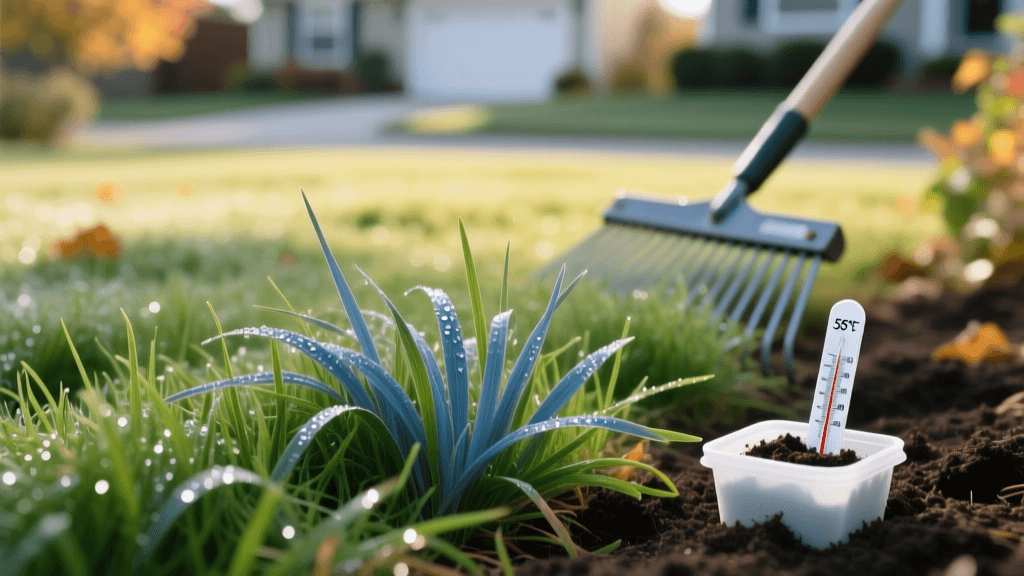
Bermudagrass is renowned for its aggressive spreading habit, high traffic tolerance, and rapid recovery from damage. While common Bermudagrass is highly drought-tolerant, hybrid varieties have been specifically bred for extreme water conservation. The 'TifTuf' hybrid Bermuda, certified by the Turfgrass Water Conservation Alliance (TWCA), uses up to 38% less water than other Bermuda varieties while maintaining high turf quality. Bermudagrass thrives in full sun and requires well-draining soils. It is typically established via sod, sprigs, or plugs in late spring when soil temperatures consistently exceed 65°F at a 2-inch depth. Expect to pay between $0.35 and $0.60 per square foot for hybrid Bermuda sod.
3. Zoysiagrass (Zoysia spp.)
Zoysiagrass offers a premium, carpet-like lawn with excellent drought tolerance, largely due to its incredibly deep root system, which can reach depths of 6 to 8 feet in undisturbed soils. This allows the grass to mine deep soil moisture that shallow-rooted species cannot access. According to Clemson University Extension, varieties like 'Palisades' (Zoysia japonica) and 'Zeon' (Zoysia matrella) are highly recommended for their balance of shade tolerance and drought resistance. Zoysia is a slow-growing grass, meaning it requires less mowing and fertilization, but it also recovers slowly from physical damage. Establishment is best done via sod or plugs, as seed germination can be erratic and slow. Sod costs typically range from $0.45 to $0.75 per square foot.
4. Centipedegrass (Eremochloa ophiuroides)
Often referred to as the 'lazy man's grass,' Centipedegrass is a staple in the Southeastern United States. While its absolute drought tolerance is slightly lower than Buffalograss or Bermuda, its extremely low fertility requirements and slow vertical growth make it highly resilient in low-input landscapes. It prefers acidic soils (pH 5.0 to 6.0) and will suffer from iron chlorosis if the pH is too high. Centipedegrass survives drought by slowing its metabolic processes and rolling its leaves to reduce surface area exposure to the sun. Clemson Home and Garden Information Center notes that over-fertilizing Centipedegrass, particularly with nitrogen, actually decreases its drought tolerance and increases its susceptibility to cold damage.
Species Comparison Chart
Use the following table to compare the key metrics of these warm-season grasses to determine which best fits your landscape's microclimate, budget, and maintenance preferences.
| Grass Species | Drought Tolerance | Water Needs (inches/week) | Ideal Mowing Height | Establishment Cost (per sq ft) |
|---|---|---|---|---|
| Buffalograss | Excellent | 0.25 - 0.50 | 2.5 - 3.5 inches | $0.15 - $0.30 (Seed) |
| Hybrid Bermuda | Excellent | 0.50 - 0.75 | 0.5 - 1.5 inches | $0.35 - $0.60 (Sod) |
| Zoysiagrass | Good to Excellent | 0.50 - 0.75 | 1.5 - 2.5 inches | $0.45 - $0.75 (Sod) |
| Centipedegrass | Fair to Good | 0.75 - 1.00 | 1.5 - 2.0 inches | $0.30 - $0.50 (Sod) |
Site Preparation and Establishment
Even the most drought-tolerant grass will fail if planted in compacted, nutrient-deficient soil. Proper site preparation ensures that the root system can penetrate deeply to access subterranean moisture reserves.
- Weed Eradication: Two weeks prior to planting, apply a non-selective systemic herbicide like glyphosate to eliminate existing weeds and turf. Allow the vegetation to completely die before proceeding.
- Soil Testing: Conduct a comprehensive soil test. Most warm-season grasses prefer a pH between 6.0 and 6.5, with the exception of Centipedegrass, which thrives in more acidic conditions (pH 5.0 to 6.0).
- Deep Tilling: Rototill the soil to a depth of 4 to 6 inches. This breaks up hardpan layers and clay compaction that restrict root growth and water infiltration.
- Organic Amendment: Incorporate 1 to 2 inches of high-quality compost into the topsoil. Organic matter acts like a sponge, increasing the soil's water-holding capacity by up to 20%.
- Grading: Rake the area smooth and ensure a slight slope (1-2% grade) away from your home's foundation to prevent water pooling and structural damage.
Irrigation Best Practices for Drought-Tolerant Lawns
Establishing a drought-tolerant lawn does not mean you should never water it; rather, it means you must water it intelligently. The goal is to train the roots to grow deep by utilizing the 'cycle and soak' method.
Pro Tip: Avoid applying high-nitrogen synthetic fertilizers during peak summer drought stress. Forcing top growth when the root system is struggling for moisture will severely weaken the plant and increase susceptibility to chinch bugs and fungal pathogens.
Instead of watering for 15 minutes every day—which promotes shallow, weak roots—water deeply and infrequently. Apply 0.5 to 0.75 inches of water in a single session, forcing the moisture deep into the soil profile. If you have heavy clay soil that tends to runoff, program your irrigation controller to run two 10-minute cycles separated by an hour to allow for complete infiltration. Furthermore, investing in an EPA WaterSense labeled smart irrigation controller that adjusts watering schedules based on local weather data and soil moisture sensors can reduce outdoor water use by up to 30%.
Conclusion
Transitioning to a drought-tolerant warm-season grass is an investment in both environmental stewardship and long-term financial savings. By selecting a species like Buffalograss, 'TifTuf' Bermuda, or 'Palisades' Zoysia, and pairing it with deep soil preparation and intelligent irrigation practices, you can maintain a vibrant, resilient lawn that withstands the harshest summer conditions while significantly reducing your water footprint.