Home & Garden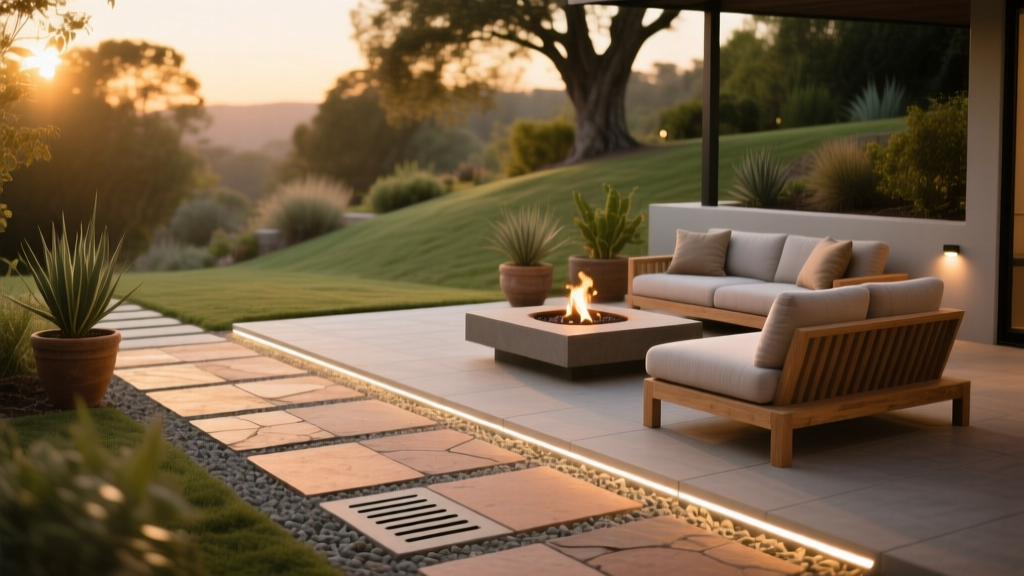
Eco-Friendly Patio Upgrades: Permeable Pavers And Lighting
James MillerPublished
The Rise of Eco-Friendly Outdoor Entertaining
Bridging the gap between indoor comfort and outdoor beauty is the ultimate goal for modern homeowners. As outdoor entertaining evolves from simple weekend barbecues to sophisticated, multi-seasonal gatherings, the demand for sustainable, high-functioning landscapes has skyrocketed. Homeowners are no longer satisfied with basic poured concrete slabs that contribute to stormwater runoff and heat island effects. Instead, the focus has shifted toward eco-friendly patio upgrades that enhance curb appeal, protect the local watershed, and create a stunning ambiance for evening entertaining.
By combining permeable paver technology with smart, low-voltage LED lighting systems, you can design an outdoor living space that is as environmentally responsible as it is luxurious. This comprehensive guide will walk you through the technical specifications, installation processes, and design strategies needed to transform your backyard into a sustainable entertaining haven.
Why Choose Permeable Pavers for Your Patio?
Traditional impervious surfaces like solid concrete and asphalt force rainwater to run off into municipal storm drains, picking up pollutants, oils, and fertilizers along the way. Permeable pavers offer a sophisticated alternative. According to the Environmental Protection Agency (EPA), permeable pavements are a highly effective green infrastructure practice that captures and temporarily stores stormwater, significantly reducing runoff volume and filtering out contaminants before they reach the water table.
From an aesthetic and entertaining standpoint, permeable pavers provide a high-end, customizable look that rivals natural stone or brick. They are available in a multitude of colors, textures, and patterns, allowing you to seamlessly match your home's exterior architecture. Furthermore, because the joints are filled with small, permeable aggregate rather than mortar, the surface remains stable while allowing water to percolate directly into the soil below.
Environmental and Practical Benefits
- Stormwater Management: Reduces the burden on municipal sewer systems and mitigates localized flooding during heavy downpours.
- Groundwater Recharge: Filters rainwater naturally through aggregate layers, replenishing local aquifers.
- Heat Island Reduction: Lighter-colored permeable pavers reflect more solar radiation and retain less heat than dark asphalt, keeping your patio cooler during summer soirées.
- Ice Mitigation: In colder climates, water drains through the joints rather than pooling on the surface, reducing the formation of hazardous black ice during winter months.
Step-by-Step Guide to Installing Permeable Pavers
Installing a permeable patio requires precise engineering. Unlike standard paver installations that rely on a shallow sand base, permeable systems require a deep, open-graded aggregate reservoir to store and filter water. The excavation depth typically ranges from 12 to 16 inches, depending on your local soil percolation rates and expected rainfall.
Materials and Cost Breakdown
Below is a detailed breakdown of the layers required for a structurally sound, eco-friendly permeable paver patio, along with estimated material costs.
| Layer / Material | Specification | Depth / Thickness | Estimated Cost (per sq ft) |
|---|---|---|---|
| Subgrade Soil | Compacted native soil | N/A (Base) | $0.50 - $1.00 |
| Geotextile Fabric | Non-woven filter fabric | 1 Layer | $0.30 - $0.60 |
| Base Reservoir | ASTM No. 2 Crushed Stone | 6 - 10 inches | $1.50 - $2.50 |
| Bedding Layer | ASTM No. 8 Crushed Stone | 1.5 - 2 inches | $0.75 - $1.25 |
| Permeable Pavers | Concrete or Clay Pavers | 2.3 - 3.1 inches | $4.00 - $9.00 |
| Jointing Aggregate | ASTM No. 8 or 9 Stone | Swept into joints | $0.40 - $0.80 |
Note: Labor costs for excavation, compaction, and laying typically add an additional $8.00 to $15.00 per square foot, depending on regional rates and site accessibility.
Integrating Smart Lighting for Curb Appeal and Ambiance
A beautifully paved patio is only half the equation for outdoor entertaining. To truly bridge indoor and outdoor living, you must extend the usability of the space well into the evening hours. The U.S. Department of Energy notes that outdoor lighting not only improves safety and security but also significantly enhances the architectural features of your home and landscape. By integrating smart, low-voltage LED lighting, you gain precise control over the ambiance, energy consumption, and security of your outdoor living area.
Best Smart Lighting Fixtures for Patios
When selecting fixtures for an eco-friendly patio, prioritize energy efficiency, durability, and smart home integration. Look for fixtures with an IP65 or IP67 rating to ensure they can withstand dust, heavy rain, and the occasional splash from a nearby pool or hot tub.
- Smart Path and Hardscape Lights: Brands like Philips Hue Outdoor and Ring offer low-voltage hardscape lights that can be mounted directly under the lips of your permeable paver seating walls or built-in planter boxes. These provide a soft, downward wash that illuminates the texture of the pavers without causing glare.
- Color Temperature Control: For a warm, inviting entertaining atmosphere, select LEDs that offer a color temperature between 2700K and 3000K. Many smart systems allow you to adjust the Kelvin scale via an app, shifting from a bright 4000K for cooking and dining to a dim, warm 2200K for late-night lounging.
- Smart String Lights: Commercial-grade, smart-enabled LED string lights (such as those from Govee or Twinkly) can be zig-zagged overhead. Ensure the wire gauge is thick enough to handle the span, and use turnbuckles and steel guide wires to prevent sagging over time.
Calculating Your Transformer Size
Low-voltage smart lighting systems require a weatherproof transformer to step down your home's 120V current to a safe 12V or 15V. To size your transformer correctly, add up the total wattage of all connected LED fixtures. For example, if you have twenty 3-watt hardscape lights and ten 5-watt pathway lights, your total load is 110 watts. Always apply the "80% rule" for continuous outdoor loads: divide your total wattage by 0.8. In this case, 110 / 0.8 = 137.5 watts. You would need to purchase a smart transformer rated for at least 150 watts, or ideally step up to a 200-watt model to allow for future landscape expansions.
Designing the Layout for Seamless Entertaining
To maximize both curb appeal and functionality, divide your permeable paver patio into distinct "zones" that mimic the flow of an indoor floor plan. This approach ensures that guests can transition naturally from high-energy activities to relaxed lounging.
A well-designed outdoor living space should feel like a natural extension of your indoor environment, blending sustainability with luxury to create an unforgettable entertaining experience.
The Culinary and Dining Zone
Position your outdoor kitchen or grill station near the home's back door for easy access to indoor plumbing and electrical lines. Use a slightly different paver pattern or a contrasting border to visually separate the cooking area from the rest of the patio. Overhead, install a smart pergola with adjustable louvered roofs and integrated LED strip lighting to ensure the chef has adequate task lighting, regardless of the time of day.
The Conversation and Fire Zone
Anchor the opposite end of the patio with a smokeless, gas-powered fire pit. Gas fire pits are ideal for permeable paver patios because they eliminate the risk of hot ash and embers falling into the paver joints, which could degrade the jointing aggregate or cause localized melting on synthetic materials. Surround the fire pit with deep, weather-resistant modular seating, and use smart uplighting in nearby planting beds to cast dramatic shadows and draw the eye outward toward the property lines, making the space feel larger and more expansive.
Maintenance Tips for Long-Lasting Curb Appeal
While permeable pavers and smart lighting systems are designed for longevity, they do require specific maintenance routines to ensure they continue to function flawlessly and look pristine for decades.
Paver Maintenance
- Annual Vacuuming: Over time, fine dirt, pollen, and organic debris can clog the joints of permeable pavers, reducing their infiltration rate. Use a commercial wet/dry vacuum or a specialized regenerative air street sweeper once a year to pull debris out of the joints.
- Replenishing Jointing Stone: After vacuuming, you may notice the jointing aggregate has settled. Simply sweep fresh ASTM No. 8 stone into the joints and compact it with a plate compactor.
- Avoid Polymeric Sand: Never use traditional polymeric sand on a permeable system. Polymeric sand hardens into a solid, impermeable barrier that will completely defeat the purpose of the eco-friendly drainage design.
Lighting Maintenance
- Lens Cleaning: Wipe down LED lenses every few months with a soft cloth and a mild vinegar solution to remove hard water spots and pollen buildup, ensuring maximum light output.
- Transformer Inspections: Check the smart transformer's digital display and wiring connections annually. Ensure the photocell sensor (if equipped) is free of debris so it can accurately detect dusk and dawn.
- Wire Protection: Inspect the low-voltage wiring runs to ensure they haven't been exposed by soil erosion or lawn aeration tools. Bury any exposed wires at least 6 inches deep or secure them neatly beneath hardscape edges.
Conclusion
Upgrading your patio with permeable pavers and smart lighting is a powerful way to elevate your home's curb appeal while embracing sustainable landscaping practices. By managing stormwater responsibly and utilizing energy-efficient, app-controlled illumination, you create a versatile outdoor environment that is perfectly suited for modern entertaining. Whether you are hosting a vibrant summer dinner party or enjoying a quiet, starlit evening by the fire pit, this eco-friendly foundation ensures your outdoor living space remains beautiful, functional, and environmentally conscious for years to come.
