Home & Garden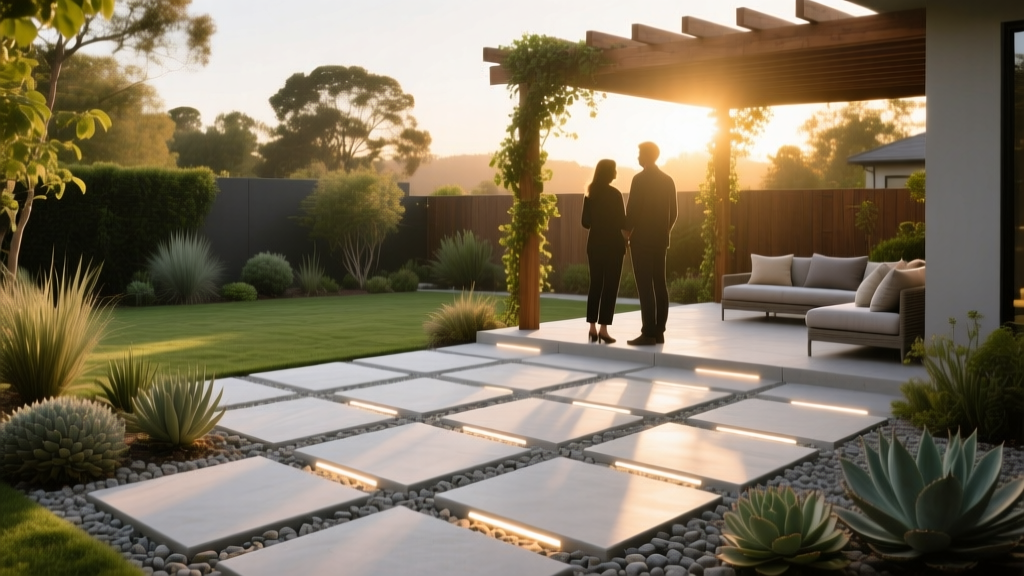
Eco-Friendly Patio Upgrades: Smart Lighting & Permeable Pavers
Sarah ChenPublished
Transforming Your Outdoor Space for Entertaining and Curb Appeal
The modern patio is no longer just a utilitarian concrete slab tucked behind the house; it is a vital extension of your indoor living space and a primary driver of your home's overall curb appeal. For homeowners who love to entertain, the outdoor environment must be both functional and visually striking. However, traditional hardscaping methods often contribute to environmental issues like stormwater runoff and excessive energy consumption. By bridging the gap between luxury outdoor entertaining and sustainable landscaping, you can create a stunning, eco-friendly oasis.
Two of the most impactful upgrades you can make to your outdoor entertaining space are installing permeable pavers and integrating smart LED landscape lighting. Together, these elements solve common drainage problems, reduce your carbon footprint, and create an inviting ambiance that elevates your property's aesthetic from the street to the backyard. In this comprehensive guide, we will explore the design principles, installation specifics, and long-term benefits of combining permeable hardscapes with intelligent illumination.
The Foundation of Eco-Friendly Entertaining: Permeable Pavers
When hosting large gatherings, the last thing you want is a flooded patio or a puddle-filled walkway after a summer downpour. Traditional poured concrete and standard pavers create impervious surfaces that force rainwater into municipal storm drains, carrying pollutants into local waterways. Permeable pavers offer an elegant, high-end solution to this problem.
According to the Environmental Protection Agency (EPA), permeable pavements are a cornerstone of green infrastructure. They are designed with wider joints filled with small, open-graded aggregate, allowing water to infiltrate through the surface and into a deep, crushed-stone reservoir base below. This natural filtration process reduces runoff volume, filters out pollutants, and recharges local groundwater.
Curb Appeal and Design Versatility
From a design perspective, permeable pavers do not sacrifice aesthetics for ecology. Leading manufacturers like Belgard and Unilock offer permeable lines that mimic the look of natural stone, classic brick, and modern geometric slate. You can choose from a myriad of colors and textures to complement your home's architectural style. The wider joints, once filled with contrasting or matching permeable jointing stone, create a subtle, tailored grid pattern that adds visual texture and sophistication to your patio.
The Science of the Base Layer
The secret to a successful permeable patio lies beneath the surface. A standard concrete patio requires a compacted gravel base of about 4 to 6 inches. In contrast, a permeable system requires an open-graded, crushed stone base (typically ASTM No. 57 or No. 8 stone) that can be 8 to 12 inches deep, depending on your local soil percolation rates and rainfall intensity. This deep reservoir temporarily holds stormwater, allowing it to slowly percolate into the native soil.
Smart LED Lighting: Setting the Scene and Saving Energy
Once your permeable foundation is laid, the next step in creating an unforgettable entertaining space is mastering the ambiance through lighting. Outdoor entertaining often extends well into the evening, making a robust, energy-efficient lighting system essential for both safety and atmosphere. Smart LED landscape lighting provides unparalleled control over your environment while drastically reducing energy consumption.
The U.S. Department of Energy notes that solid-state lighting, particularly LEDs, uses up to 90% less energy and lasts up to 25 times longer than traditional incandescent or halogen bulbs. When you integrate these LEDs with smart home technology, the benefits multiply.
Creating Ambiance with Color Temperature and Zoning
For outdoor entertaining, the color temperature of your LEDs is critical. Avoid harsh, cool-white lights (4000K and above) which can make a patio feel like a commercial parking lot. Instead, opt for warm-white LEDs in the 2700K to 3000K range. This mimics the warm, inviting glow of a fire or traditional halogen bulbs, making skin tones look better and creating a relaxing environment for your guests.
Smart lighting systems, such as those utilizing Lutron Caseta outdoor smart switches or Wi-Fi-enabled low-voltage transformers, allow you to create 'scenes.' With a tap on your smartphone or a voice command to your smart home assistant, you can transition from 'Dining Mode' (bright pathway and overhead string lights) to 'Lounge Mode' (dimmed uplighting and soft step lights).
Strategic Fixture Placement
- Uplighting: Place IP65-rated LED spotlights at the base of mature trees or architectural features to draw the eye upward and expand the perceived space of your yard.
- Hardscape Step Lights: Embed low-profile LED strip lights beneath the lips of your permeable paver steps or retaining walls. This provides crucial safety for guests navigating the yard at night without causing glare.
- Path Lighting: Use staggered, low-glare pathway lights to guide guests from the driveway to the patio, enhancing front-yard curb appeal and backyard accessibility.
Cost, ROI, and Environmental Impact Breakdown
Upgrading to eco-friendly materials and smart technology requires an upfront investment, but the long-term return on investment (ROI) through increased property value, reduced maintenance, and energy savings is substantial. Below is a comparison chart detailing the differences between traditional and eco-friendly patio upgrades.
| Material / System | Initial Cost (per sq. ft. / unit) | Lifespan | Maintenance Level | Eco-Benefit |
|---|---|---|---|---|
| Poured Concrete | $6 - $12 | 20-30 Years | Low (Prone to cracking) | None (High runoff) |
| Permeable Pavers | $15 - $25 | 40+ Years | Medium (Joint cleaning) | High (Stormwater management) |
| Halogen Landscape Lighting | $5 - $10 (fixture) | 1-2 Years (bulb) | High (Bulb replacement) | None (High energy use) |
| Smart LED Lighting | $25 - $60 (fixture) | 10-15 Years | Low (App-controlled) | High (80% less energy) |
While permeable pavers cost roughly double the price of standard concrete per square foot, they eliminate the need for expensive drainage trenching and catch basins. Furthermore, individual pavers can be lifted and replaced if tree roots shift the ground, whereas cracked concrete must be jackhammered and repoured.
Step-by-Step Implementation Guide
Executing this upgrade requires careful planning and precise execution. Whether you are hiring a certified landscape contractor or tackling it as an advanced DIY project, follow these critical phases.
Phase 1: Design, Zoning, and Excavation
Begin by mapping out your entertaining zones: a dining area (requiring at least 12x12 feet for a table and chairs), a lounge area (centered around a fire pit or outdoor sofa), and a cooking zone (for a grill or outdoor kitchen). Once the layout is set, excavate the area to a depth of 12 to 16 inches to accommodate the geotextile fabric, stone reservoir, bedding layer, and pavers.
Phase 2: Base Preparation and Geotextile Fabric
Line the excavated area with a non-woven geotextile fabric. This crucial step prevents the native soil from migrating up into your stone reservoir and clogging the system. Next, add your open-graded crushed stone base in 4-inch lifts, compacting each layer with a vibratory plate compactor.
Phase 3: Paver Laying and Jointing
Lay a 2-inch bedding layer of smaller, open-graded aggregate (ASTM No. 8). Begin laying your permeable pavers according to your chosen pattern, ensuring you maintain consistent joint widths using spacers. Once all pavers are laid, sweep the specialized permeable jointing stone into the gaps and compact the surface to lock everything into place.
Phase 4: Smart Lighting Integration
Before finalizing the patio edges, run your low-voltage (12V or 15V) landscape wiring through protective PVC conduits beneath the base layer where possible to avoid future tripping hazards or accidental wire cuts. Connect your fixtures to a smart transformer mounted in a weatherproof location near an outdoor GFCI outlet. Configure your smart scenes via the manufacturer's app, setting timers to align with local sunset data.
Designing Zones for Outdoor Entertaining
To maximize both curb appeal and functionality, treat your patio as a series of interconnected outdoor rooms. Use the permeable pavers to create distinct borders or pattern shifts that visually separate the dining zone from the lounge zone. For example, a herringbone pattern in the dining area can transition into a modular ashlar pattern in the lounge area, subtly signaling a change in function to your guests.
Incorporate the EPA's Heat Island Reduction strategies by selecting lighter-colored pavers that reflect solar radiation, keeping the patio surface cooler for bare feet during summer afternoons. Pair this with strategically placed deciduous trees or a smart-controlled pergola with automated louvers to provide shade during the hottest parts of the day.
Great landscape design does not force nature to conform to the hardscape; it allows the hardscape to work in harmony with the natural water cycle and local ecology.
Seasonal Maintenance for Lasting Curb Appeal
To keep your eco-friendly patio looking pristine and functioning correctly, a proactive maintenance routine is required. For permeable pavers, the primary enemy is joint clogging. Sweep the patio regularly to remove organic debris like leaves and pine needles. Once a year, use a specialized paver vacuum or a pressure washer with a surface cleaner attachment to extract fine sediment from the joints, then replenish the jointing stone. This ensures the permeability rate remains high and prevents weed growth.
For your smart LED lighting system, perform a bi-annual checkup. Wipe down the fixture lenses with a soft cloth and mild soapy water to remove dirt, pollen, and hard water spots that can diminish light output. Inspect the low-voltage wiring connections for corrosion, especially if you live in an area with heavy snow or salt air, and apply a dielectric grease to the wire nuts if necessary. Ensure your smart app's astronomical clock is updated so your lights continue to turn on precisely at dusk, maintaining that flawless curb appeal every single evening.
Conclusion
Upgrading your outdoor entertaining space with permeable pavers and smart LED lighting is a powerful way to bridge the gap between luxury living and environmental stewardship. By managing stormwater naturally, reducing energy consumption, and creating a beautifully illuminated, puddle-free environment, you significantly boost your home's curb appeal and property value. Whether you are hosting a large summer barbecue or enjoying a quiet evening under the stars, your eco-friendly patio will provide a stunning, sustainable backdrop for years to come.
