Gardening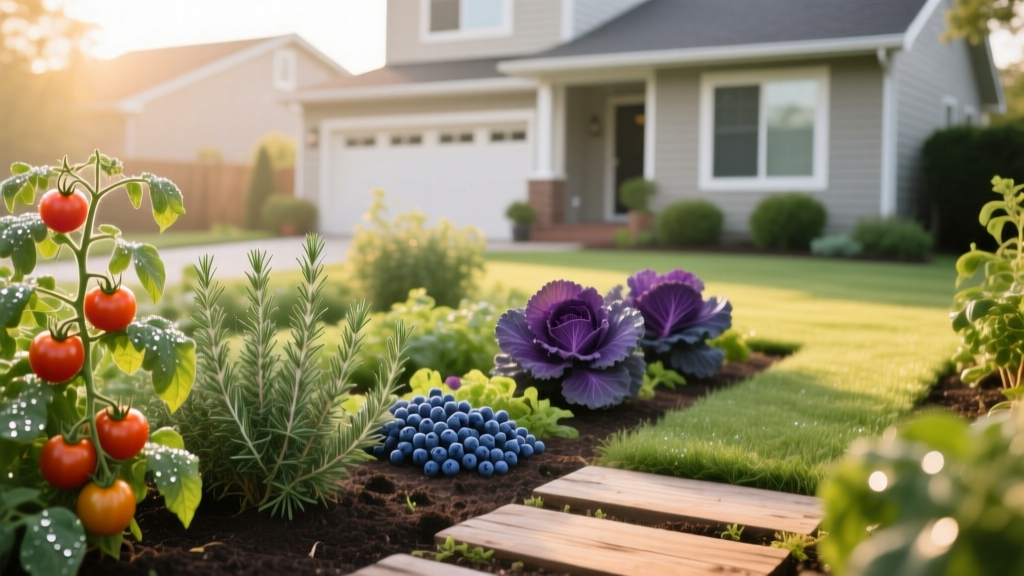
Edible Landscaping: Boost Curb Appeal With Beautiful Food Gardens
Mike RodriguezPublished
The Intersection of Curb Appeal and Culinary Delight
For decades, the standard for front yard curb appeal has been a pristine, water-thirsty lawn flanked by sterile ornamental shrubs. However, modern homeowners and avid entertainers are increasingly turning to edible landscaping. This innovative approach to garden design seamlessly integrates fruit-bearing trees, vibrant vegetables, and aromatic herbs into traditional landscape layouts. The result is a dynamic, multi-seasonal outdoor space that not only elevates your property’s aesthetic value but also provides a built-in talking point and fresh ingredients for your next outdoor dinner party.
When you design an edible landscape, you are essentially creating a living pantry that doubles as a stunning backdrop for outdoor entertaining. Imagine guests arriving at your home and being greeted by the vibrant red blooms of pomegranate trees, the architectural elegance of artichoke plants, and the trailing beauty of alpine strawberries lining the walkway. According to the Oregon State University Extension Service, integrating food-producing plants into traditional landscape designs can significantly increase local biodiversity, improve soil health, and provide immense aesthetic value when planned with structural intent.
Design Principles for the Edible Front Yard
The key to successful edible landscaping is maintaining the structural integrity and tidiness associated with high-end curb appeal. A vegetable garden can quickly look unkempt if it lacks a strong hardscape framework and deliberate plant placement. To ensure your garden remains inviting and visually striking, apply traditional landscaping principles to your edible choices.
Focal Points and Symmetry
Every great landscape needs a focal point. Instead of a decorative fountain or a sterile topiary, consider planting a semi-dwarf fruit tree, such as a Honeycrisp apple or a Meyer lemon, in the center of a circular driveway island or flanking your front porch. Using symmetrical planting—such as two matching blueberry bushes in large, glazed ceramic urns on either side of your entryway—creates a sense of order and elegance that immediately signals a well-maintained property.
Layering and Texture
Mix plants with varying heights, leaf shapes, and growth habits. Plant tall, feathery asparagus or lemongrass in the back of your borders to mimic ornamental grasses. Use the broad, dramatic leaves of rhubarb or Swiss chard in the mid-ground to replace traditional hostas. Finally, edge your pathways with low-growing, creeping thyme or nasturtiums to provide a lush, colorful border that spills beautifully over stone edging.
Ornamental to Edible Plant Swaps
Transitioning from a purely ornamental yard to an edible one does not require sacrificing beauty. By swapping traditional landscape staples with their edible counterparts, you can maintain the exact visual profile your home’s architecture demands while reaping a delicious harvest. The National Gardening Association notes that edible landscapes often require less water and maintenance than traditional turf-heavy front yards once properly established and mulched.
| Traditional Ornamental | Edible Alternative | Curb Appeal Feature | Harvest Season |
|---|---|---|---|
| Boxwood Hedge | Dwarf Blueberry Bushes | Dense foliage, spring bell flowers, brilliant red fall color | Mid-Summer |
| Hostas | Rhubarb & Swiss Chard | Large architectural leaves, vibrant neon stems (Bright Lights chard) | Spring to Late Fall |
| Ornamental Grasses | Lemongrass & Asparagus | Tall, feathery plumes, striking vertical interest | Spring (Asparagus), Year-round (Lemongrass) |
| Impatiens Borders | Alpine Strawberries & Nasturtiums | Low-growing foliage, vibrant trailing flowers, dense ground cover | Summer to Early Fall |
| Climbing Ivy | Scarlet Runner Beans | Dense green cover with striking, hummingbird-attracting red blooms | Late Summer to Fall |
Hardscaping: The Backbone of Entertaining Spaces
To elevate your edible garden from a simple growing space to a premier outdoor entertaining zone, hardscaping is essential. Raised beds constructed from Corten steel, natural stone, or composite cedar provide clean, geometric lines that frame your plants perfectly. For front yard applications, keep raised beds relatively low—around 12 to 18 inches high—so they integrate smoothly with the surrounding lawn or gravel pathways without blocking the sightlines to your home’s facade.
Pathways are equally important for guiding guests through your landscape. Replace sprawling turf with permeable pea gravel or flagstone stepping stones bordered by creeping rosemary. This not only reduces water usage but also creates an aromatic experience; as guests walk to your front door, brushing against the rosemary releases a soothing, savory fragrance. Incorporate a sturdy, decorative obelisk or a wrought-iron trellis at the end of the pathway to support climbing crops like pole beans, malabar spinach, or even vining indeterminate cherry tomatoes, turning a functional support structure into a piece of garden art.
Soil Preparation for a Thriving Edible Landscape
Because edible plants are heavy feeders compared to many ornamental shrubs, soil preparation is the most critical step in your landscape transformation. Before installing your plants, conduct a comprehensive soil test to determine your pH and nutrient deficiencies. Amend the native soil generously with high-quality organic compost and aged manure. According to the USDA Gardening Resources portal, building healthy soil biology and maintaining proper organic matter levels are the foundations of any successful, sustainable landscape. Top-dress your beds with a two-inch layer of organic mulch, such as shredded leaves or untreated wood chips, to retain moisture, suppress weeds, and give the garden a finished, manicured appearance that is vital for curb appeal.
Evening Entertaining: Lighting Your Edible Landscape
Outdoor entertaining frequently extends into the evening, making landscape lighting a crucial component of both curb appeal and functionality. To showcase your edible landscape at night, use warm-toned LED fixtures (around 2700K color temperature) to create an inviting, intimate atmosphere. Uplight the trunks of your fruit trees to cast dramatic shadows against your home’s exterior. Use low-voltage path lights to illuminate the edges of your gravel walkways, ensuring guests can safely navigate the garden while admiring the glowing foliage of silver-leaved plants like lavender and sage. For a true garden-to-glass experience, install subtle task lighting near your herb borders, allowing guests to easily snip fresh mint, basil, or rosemary garnishes for their evening cocktails.
Navigating HOAs and Local Ordinances
Before breaking ground on a front yard edible landscape, it is vital to review your local Homeowners Association (HOA) guidelines and municipal zoning ordinances. Some neighborhoods have strict rules regarding the percentage of turf grass required or the placement of vegetable gardens in front yards. To navigate these restrictions, focus on 'stealth edible landscaping.' By utilizing fruit trees, berry bushes, and perennial herbs that closely resemble traditional ornamentals, you can often bypass restrictive covenants. Always submit a detailed landscape plan to your HOA architectural review committee, emphasizing the structural elements, neat edging, and evergreen components of your design to prove that your edible garden will enhance, rather than detract from, the neighborhood's aesthetic standards.
Conclusion
Edible landscaping is a powerful way to merge the beauty of traditional garden design with the utility and joy of growing your own food. By thoughtfully selecting plant varieties, investing in quality hardscaping, and designing with both daytime curb appeal and nighttime entertaining in mind, you can create a front yard that is as delicious as it is beautiful. Whether you are harvesting fresh cherry tomatoes for a patio bruschetta or simply enjoying the vibrant colors of your Swiss chard border at sunset, an edible landscape transforms your outdoor space into a dynamic, living extension of your home.
