Gardening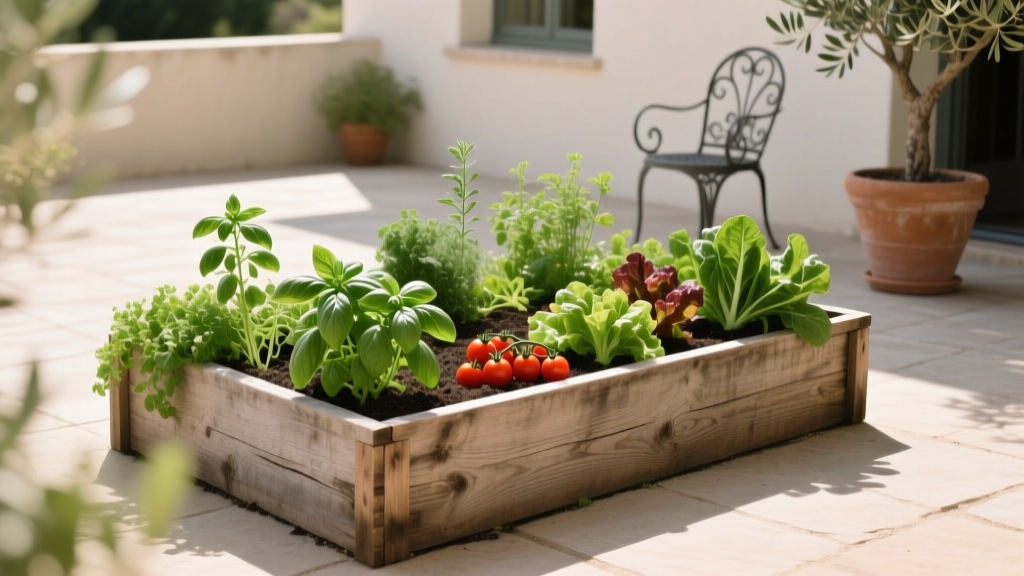
Edible Patio Landscaping: Raised Bed Gardens for Entertaining
David ParkPublished
The Rise of the Entertainer’s Potager
For decades, the traditional vegetable garden was relegated to the back corner of the yard, hidden behind fences and strictly utilitarian in nature. However, the modern outdoor living movement has completely transformed how we view our exterior spaces. Today, homeowners are merging the beauty of ornamental landscaping with the utility of a kitchen garden to create the 'Entertainer’s Potager.' This approach to edible patio landscaping not only boosts your home's curb appeal but also provides a stunning, interactive backdrop for outdoor dining and social gatherings. By integrating raised beds directly into your patio design, you create a seamless flow between hardscaping and horticulture, allowing guests to pick fresh mint for their mojitos or admire the vibrant colors of rainbow chard while enjoying their evening meal.
Strategic Placement for Curb Appeal and Flow
When designing an outdoor entertaining space, the placement of your raised beds is just as critical as the plants inside them. To maximize curb appeal, treat your edible garden as an architectural feature. Instead of pushing beds against the back fence, use them to frame your patio or define different 'rooms' within your outdoor living area. An L-shaped or U-shaped raised bed configuration can act as a low wall that encloses a dining space, providing a sense of intimacy without blocking sightlines.
Consider the view from both the street and the dining table. From the street, the structured geometry of the beds combined with lush, spilling foliage signals a well-maintained, high-end landscape. From the patio, the beds should be within arm's reach. A width of 18 to 24 inches is ideal for perimeter beds, allowing seated guests to interact with the plants, pinch off a sprig of rosemary, or simply enjoy the fragrance without needing to step into the garden beds themselves.
Choosing the Right Raised Bed Materials
The materials you select for your raised beds will heavily influence the aesthetic of your entertaining space. While standard untreated pine is functional, it may not convey the elegance required for a primary patio focal point. Upgrading your bed materials is an investment in both longevity and landscape design. According to the Wisconsin Master Gardener Program, proper material selection ensures structural integrity while preventing soil contamination, which is vital when growing edibles for your guests.
| Material | Aesthetic Appeal | Lifespan | Estimated Cost (4x8 Bed) |
|---|---|---|---|
| Corten Steel | Modern, industrial, rustic patina | 20+ years | $400 - $800 |
| Western Red Cedar | Classic, natural, warm wood tones | 10 - 15 years | $250 - $450 |
| Brick or Natural Stone | Traditional, formal, permanent | 50+ years | $800 - $1,500+ |
| Composite Timber | Clean lines, uniform color, modern | 25+ years | $350 - $600 |
Corten steel has become exceptionally popular for contemporary patio designs. As it weathers, it develops a protective rust patina that contrasts beautifully with the vibrant greens and purples of edible plants. For a more traditional or Mediterranean entertaining vibe, mortared brick or stone provides a permanent, formal edge that doubles as extra seating when topped with smooth limestone caps.
Plant Selection: Ornamental Edibles for Patio Proximity
To maximize both visual impact and culinary utility, you must select plants that work overtime. The University of Minnesota Extension recommends integrating edible plants into ornamental beds by focusing on foliage texture, color contrast, and structural form. Forget the sprawling, messy zucchini plants; instead, opt for compact, visually striking varieties.
- Rainbow Chard and Purple Kale: These leafy greens offer spectacular color contrasts. The neon pink, yellow, and orange stems of chard look like stained glass when backlit by evening patio lights.
- Compact Fruit Trees: Dwarf columnar apples or espaliered pear trees can be trained against a trellis to provide a living privacy screen for your patio while yielding fresh fruit.
- Trailing Herbs: Creeping thyme and trailing rosemary will spill elegantly over the edges of stone or steel beds, softening the hardscape lines.
- Artichokes and Cardoon: These plants provide massive, architectural, silvery-green foliage that serves as a stunning focal point in any garden bed.
The Power of Fragrance and Edible Flowers
Evening entertaining relies heavily on ambiance, and scent is a powerful tool for setting a mood. Plant fragrant herbs like lavender, lemon balm, and basil near the corners of your patio where guests will naturally gather. As the sun sets and the air cools, these plants release their essential oils, wrapping your entertaining space in a natural, relaxing perfume.
Furthermore, incorporating edible flowers elevates both the garden and the menu. Nasturtiums offer vibrant pops of orange and red with a peppery bite perfect for summer salads, while borage produces stunning star-shaped blue flowers that can be frozen into ice cubes for craft cocktails. For a comprehensive guide on safe, beautiful, and delicious blooms, consult the University of Minnesota Extension on Edible Flowers.
'An edible landscape should engage all the senses. When placed near an entertaining space, the garden becomes a living pantry and a dynamic piece of outdoor art.'
Hardscaping, Lighting, and Trellis Integration
The space between and around your raised beds is just as important as the beds themselves. For a high-end entertaining space, avoid muddy grass pathways. Instead, use decomposed granite (DG) or crushed oyster shells between the beds. These materials provide excellent drainage, create a satisfying crunch underfoot, and complement the natural tones of the garden.
Lighting is crucial for evening curb appeal and patio ambiance. Install low-voltage LED uplights at the base of architectural plants like artichokes or dwarf fruit trees to cast dramatic shadows. String bistro lights in a zigzag pattern above the patio and the adjacent beds to draw the eye upward and create an intimate ceiling. Finally, integrate obelisks or wire trellises into the back of the beds to support climbing edibles like pole beans, malabar spinach, or even climbing roses, adding vital vertical interest and privacy from neighboring yards.
Maintenance Tips for a Pristine Entertaining Space
Nothing ruins an outdoor dinner party faster than a swarm of mosquitoes breeding in standing water or guests getting mud on their shoes from an overzealous sprinkler. To maintain a pristine environment, install a drip irrigation system with a smart timer. Drip lines deliver water directly to the root zone, keeping the foliage dry (which prevents fungal diseases) and ensuring that pathways and patio furniture remain completely dry.
Additionally, practice succession planting to ensure your garden never looks 'finished' or dead during the peak entertaining months of summer and early fall. As early summer crops like peas or radishes fade, immediately replace them with heat-loving ornamental edibles like purple basil or ornamental peppers. Keep a pair of harvesting shears and a stylish basket on your patio table—not only is it a charming decorative element, but it also encourages you to deadhead and harvest regularly, keeping the garden looking manicured and tidy for impromptu gatherings.
Conclusion
Blending raised bed vegetable gardening with patio design is a brilliant way to elevate your home's curb appeal while creating a highly functional space for outdoor entertaining. By choosing premium materials, selecting visually striking and fragrant edibles, and integrating thoughtful hardscaping and lighting, you can cultivate a garden that feeds both the body and the soul. Your next dinner party will be unforgettable when the centerpiece of your table is harvested just steps away from where your guests are seated.
