Gardening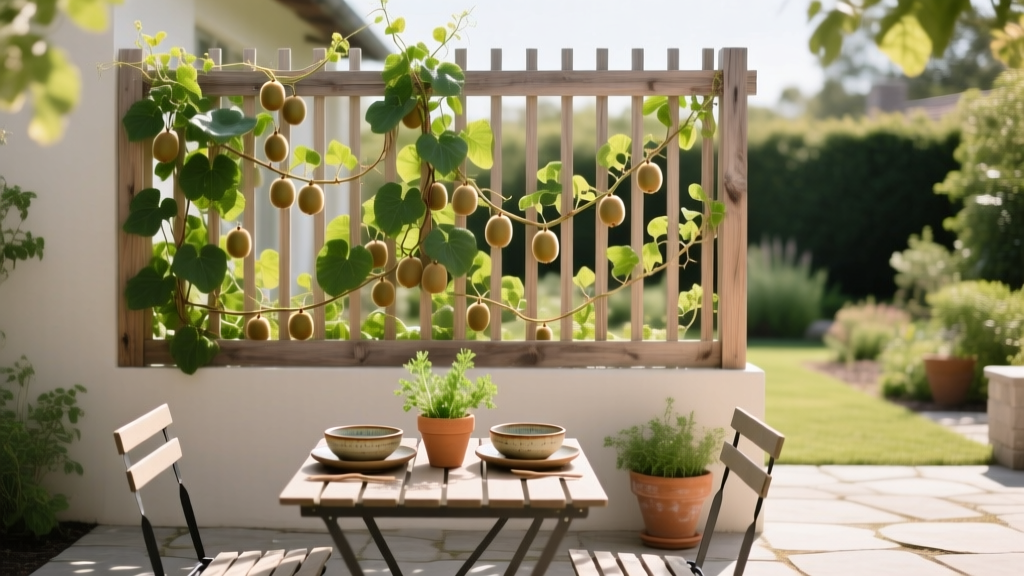
Edible Privacy Screens: Best Plants for Outdoor Dining Areas
Mike RodriguezPublished
When designing an outdoor entertaining space, privacy is often the most critical factor in transforming a simple patio into an intimate, luxurious retreat. Traditional wooden fences or masonry walls can feel imposing, block valuable breezes, and offer zero return on investment beyond basic seclusion. For the modern gardener focused on both curb appeal and culinary utility, the edible privacy screen is the ultimate landscaping solution. By training vigorous, fruit-bearing vines over architectural trellises, you create a living wall that provides dense shade, lush aesthetics, and a bountiful harvest to serve your guests.
The Intersection of Curb Appeal and Outdoor Entertaining
An edible living wall serves as a spectacular focal point for outdoor dining areas. Imagine hosting a late-summer dinner party where guests can reach over the table to pluck a cluster of sweet, sun-warmed grapes or snip fresh hops for a homebrewed beer. This interactive landscaping approach elevates your curb appeal by softening hard architectural lines with vibrant, seasonal foliage. Furthermore, a well-maintained vine-covered pergola or trellis increases property value by defining distinct outdoor rooms without the heavy permitting often required for permanent structural walls.
Top Vines for Edible Privacy Screens
Selecting the right plant is crucial. You need vigorous growers that can cover an 8-foot structure in a single season or two, while producing high-quality edibles. Below is a comparison of the top climbing plants suited for patio privacy screens.
| Plant | Hardiness Zones | Growth Rate | Sun Needs | Edible Yield |
|---|---|---|---|---|
| Hardy Kiwi | 3-9 | Fast (10-20 ft/yr) | Full Sun | High (Smooth-skinned fruit) |
| Grapevine | 4-10 | Moderate (6-10 ft/yr) | Full Sun | High (Table or wine grapes) |
| Hops | 3-8 | Extreme (15-25 ft/yr) | Full Sun | Moderate (Cones for brewing) |
| Malabar Spinach | 9-11 (Annual elsewhere) | Fast (10-15 ft/yr) | Full to Part Sun | High (Edible leaves) |
| Passionfruit | 8-12 | Fast (15-20 ft/yr) | Full Sun | High (Tropical fruit) |
1. Hardy Kiwi (Actinidia arguta)
Hardy kiwi is a powerhouse for northern climates. Unlike the fuzzy grocery store varieties, hardy kiwi produces grape-sized, smooth-skinned fruits that are incredibly sweet and require no peeling. According to the University of Wisconsin-Madison Extension, these vines require both male and female plants for pollination, typically at a ratio of one male to every six females. They can easily cover a 12-foot wide by 8-foot tall trellis panel within two growing seasons. Cost-wise, bare-root plants run about $25 to $40 each, making them a highly affordable long-term investment for your patio perimeter.
2. Grapevines (Vitis spp.)
Nothing says outdoor entertaining quite like a Mediterranean-inspired grape arbor. Grapevines provide dense, broad-leafed shade during the heat of summer and drop their leaves in winter to allow passive solar heating of your patio. The Penn State Extension recommends pruning grapes heavily in late winter to maintain structural integrity and maximize fruit production. For a privacy screen, train the main cordons horizontally along the top of your trellis, allowing the fruiting canes to drape downward like a lush, edible curtain. Expect to spend $15 to $30 per bare-root vine.
3. Hops (Humulus lupulus)
For the homebrewer, hops are an unmatched choice. These herbaceous perennials die back to the ground in winter but explode in spring, growing up to 25 feet in a single season. They create a dense, opaque wall of deeply lobed green foliage and fragrant cones. Because they are herbaceous, you will need to re-string your trellis wires each spring. Hops thrive in rich, well-draining soil with a pH between 6.0 and 7.5, requiring heavy nitrogen feeding during their rapid spring growth phase. Rhizomes typically cost $10 to $15 each.
Designing and Building Your Trellis Infrastructure
To support the immense weight of mature, fruit-laden vines and withstand wind loads, your hardscaping must be robust. Avoid flimsy, store-bought lattice panels. Instead, opt for one of these structural solutions:
- Wooden Pergola: Use 4x4 pressure-treated posts set at least 2 feet deep in concrete footings. Span the top with 2x6 joists and 2x2 battens. Cost: Approximately $400 to $800 for a 10x10 footprint using cedar or pressure-treated pine.
- Cattle Panel Trellis: A budget-friendly, highly effective alternative. Heavy-gauge welded wire panels (typically 16 feet long by 50 inches tall) can be attached to metal T-posts or wooden frames. They cost around $30 to $40 per panel and offer immediate support for aggressive growers like hops and kiwi.
- Stainless Steel Cable Systems: For a modern, minimalist curb appeal, use marine-grade stainless steel turnbuckles and 1/8-inch wire cables strung between masonry walls or heavy timber posts. This invisible trellis system costs about $100 to $150 per 10-foot run and allows the plant to take center stage.
Soil Preparation, Irrigation, and Planting Guide
Vines are heavy feeders and require excellent drainage to prevent root rot. Before planting, excavate holes that are twice as wide and just as deep as the root ball. Amend the native soil with a 50/50 mix of organic compost and topsoil to ensure adequate nutrient retention.
- Spacing: Plant vines 6 to 8 feet apart along the base of the trellis. This prevents root competition and ensures adequate airflow, which is critical for preventing fungal diseases like powdery mildew that can ruin both the aesthetic and the harvest.
- Mulching: Apply a 3-inch layer of organic wood chips or straw around the base, keeping it 2 inches away from the main stem to prevent rot. This retains moisture and suppresses weeds, keeping the base of your entertaining area looking pristine.
- Irrigation: Install a drip irrigation line with 1-gallon-per-hour emitters placed 12 inches from the base of each vine. Vines require about 1 to 2 inches of water per week during the peak summer heat. Drip systems keep the foliage dry, drastically reducing the risk of foliar diseases while conserving water.
Lighting and Ambiance for Evening Entertaining
To maximize your curb appeal and extend your entertaining hours into the evening, integrate outdoor lighting into your edible screen. Wrap warm-white, weatherproof LED string lights (2700K color temperature) around the upper pergola joists or weave them through the cable trellis system. For uplighting, place low-voltage LED spotlights at the base of the vines, angled upward to cast dramatic shadows through the foliage. Solar-powered pathway lights lining the patio edge will further define the space and guide guests safely through the garden at night.
Seasonal Maintenance for Entertaining Readiness
To ensure your edible screen looks its best when hosting guests, adhere to a strict seasonal maintenance schedule:
- Spring: Apply a balanced, slow-release organic fertilizer (such as a 5-5-5 blend) as soon as buds swell. Secure new, wayward shoots to the trellis using soft plant ties to maintain a uniform, manicured appearance.
- Summer: Prune excess vegetative growth that blocks airflow or obscures the fruit. For grapes, perform leaf pulling around the fruit clusters in late summer to improve sun exposure and air circulation, ensuring the grapes ripen perfectly for your late-summer gatherings.
- Fall and Winter: Harvest remaining fruit before the first hard freeze. Once the plants are dormant, perform structural pruning. Remove dead wood, weak laterals, and crossing branches. This winter silhouette adds architectural interest to your winter landscape, maintaining curb appeal even when the screen is bare.
Conclusion
By integrating edible climbers into your outdoor entertaining spaces, you achieve a dual-purpose landscape that impresses guests and feeds the soul. With proper structural support, diligent soil preparation, and seasonal pruning, your edible privacy screen will become the most talked-about feature of your home's exterior, seamlessly blending high-end curb appeal with the joys of homegrown harvests.
