Home & Garden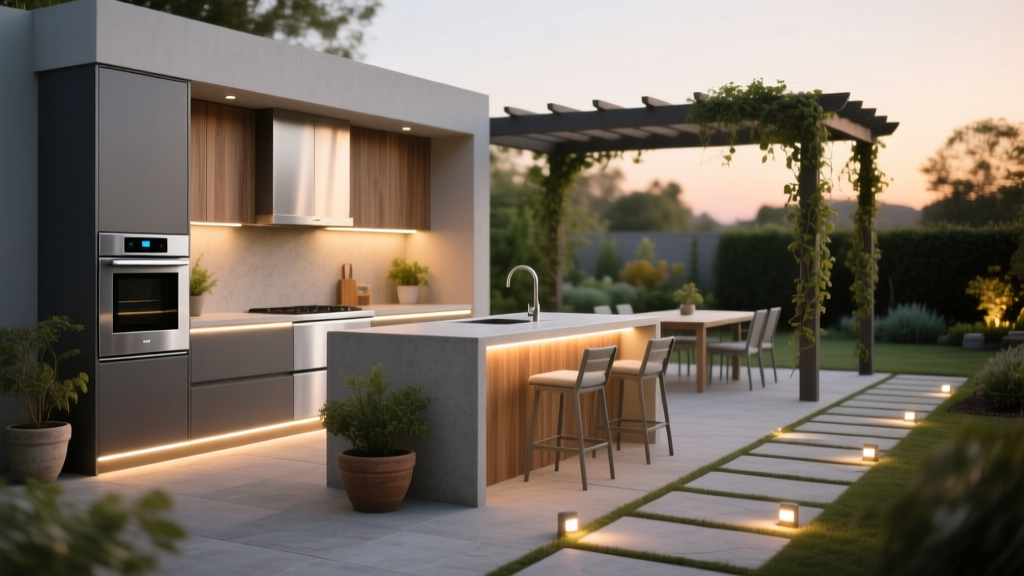
Energy-Efficient Outdoor Kitchens and Smart Patio Lighting
Lisa ThompsonPublished
The Rise of the Outdoor Entertaining Hub
The modern home landscape has evolved far beyond a simple patch of grass and a basic charcoal grill. Today, homeowners are seamlessly bridging the gap between indoor luxury and outdoor living, creating sophisticated entertaining hubs that serve as extensions of their interior spaces. An intelligently designed outdoor kitchen paired with a smart, energy-efficient patio lighting system not only dramatically boosts your curb appeal but also increases the functional square footage of your home. Whether you are hosting a weekend barbecue or enjoying a quiet evening under the stars, integrating energy-conscious appliances and automated lighting can reduce your carbon footprint while elevating the guest experience. This comprehensive guide will walk you through the specific measurements, product selections, and landscaping strategies required to build a stunning, sustainable outdoor entertaining space.
Designing an Energy-Efficient Outdoor Kitchen Layout
The foundation of any great outdoor kitchen is its layout. Unlike indoor kitchens, outdoor spaces must account for weather exposure, wind direction, and natural sunlight. To maximize efficiency and ease of use, you must carefully plan the physical footprint before purchasing any appliances.
Mastering the Outdoor Work Triangle
Just like indoor culinary spaces, the outdoor kitchen relies on the 'work triangle' concept, which connects the primary cooking zone (the grill), the cleaning zone (the sink), and the storage zone (the refrigerator). For optimal workflow, the total perimeter of this triangle should be between 12 and 22 feet. Furthermore, standard outdoor counter height should be set at 36 inches, while a raised bar area for guest seating should be constructed at 42 inches. If you plan on having multiple people cooking or preparing food simultaneously, ensure that the primary walkways and aisles are at least 48 inches wide to prevent bottlenecks and accidental bumps around hot surfaces.
Selecting Energy-Efficient Appliances
Appliances are the largest energy consumers in an outdoor kitchen. When shopping for an outdoor refrigerator, look for models that are specifically rated for exterior use and carry the ENERGY STAR certification. According to the ENERGY STAR program, certified appliances use significantly less electricity than standard models, which is crucial when the unit is fighting against high summer ambient temperatures. For cooking, consider upgrading from a traditional gas grill to a high-efficiency infrared grill or a ceramic kamado-style cooker. Infrared grills use up to 30 percent less propane by directly heating the food rather than the surrounding air, while kamado cookery retains heat so effectively that it requires a fraction of the charcoal used by traditional open-fire pits.
Sustainable and Durable Countertop Materials
Countertops must withstand UV radiation, freezing temperatures, and heavy precipitation. Instead of importing exotic stones with a massive carbon footprint, consider using locally sourced natural stone or recycled composite materials. Brands like Dekton offer ultra-compact surfaces made from a blend of recycled glass, porcelain, and quartz that are completely UV resistant and require zero chemical sealants, making them an eco-friendly and highly durable choice for outdoor food preparation.
Smart Patio Lighting for Ambiance and Security
Lighting is the single most impactful element for transforming a patio from a daytime cooking space into an evening entertainment oasis. However, poorly planned outdoor lighting leads to massive energy waste and contributes to light pollution, which disrupts local wildlife ecosystems.
Embracing Dark Sky Principles
When designing your lighting plan, it is essential to follow the guidelines set forth by DarkSky International. The organization advocates for responsible outdoor lighting practices, which include using fully shielded fixtures that direct light downward, utilizing warm color temperatures (3000 Kelvin or lower), and installing timers or motion sensors to ensure lights are only on when needed. By adhering to these principles, you protect local nocturnal ecosystems while creating a softer, more inviting ambiance for your guests.
Layering Your Outdoor Light Design
Professional landscape lighting relies on three distinct layers: ambient, task, and accent lighting. Ambient lighting provides the general illumination for the space, often achieved through overhead pergola string lights or smart LED post lanterns. Task lighting is crucial for safety and functionality, such as low-voltage LED hardscape lights installed under the lip of outdoor kitchen counters or grill handles. Accent lighting is used to highlight architectural features or native landscaping, utilizing well lights or directional spotlights to cast dramatic shadows and draw the eye toward the perimeter of your property, thereby enhancing overall curb appeal.
Smart Home Integration and Automation
Integrating your patio lighting with a smart home ecosystem like Philips Hue, Lutron, or a centralized hub like Control4 allows for unprecedented energy savings. You can program 'Entertaining' scenes that dim the perimeter accent lights while brightening the kitchen task lights. Geofencing technology can automatically turn off all exterior lights when your smartphone leaves the property, ensuring you never waste electricity if you forget to flip the switch. Additionally, pairing smart lights with Wi-Fi enabled dimmer switches ensures you are only drawing the exact wattage required for the time of night.
Comparison Chart: Outdoor Lighting Options
Choosing the right fixtures is vital for balancing upfront costs with long-term energy efficiency. Below is a comparison of popular outdoor lighting solutions for entertaining spaces.
| Lighting Type | Estimated Cost per Fixture | Energy Use (Watts) | Color Temperature | Best Application |
|---|---|---|---|---|
| Solar LED Path Lights | $25 - $60 | 0 (Grid) | 3000K - 4000K | Perimeter walkways and garden beds |
| Low-Voltage LED Hardscape | $40 - $90 | 2W - 5W | 2700K | Under-counter kitchen lighting and steps |
| Smart Wi-Fi String Lights | $100 - $200 (kit) | 15W - 30W (total) | Adjustable | Overhead pergola ambient lighting |
| 120V LED Post Lanterns | $150 - $350 | 8W - 12W | 2700K - 3000K | Patio corners and entryway pillars |
Integrating Landscaping for Curb Appeal and Climate Control
Your outdoor kitchen and patio do not exist in a vacuum; they are deeply integrated into the surrounding landscape. Strategic planting can dramatically improve the energy efficiency of your entertaining space while providing a lush, beautiful backdrop.
Strategic Tree Placement for Passive Cooling
The sun's angle changes with the seasons. By planting deciduous trees, such as the Red Maple or Oak, on the south and west sides of your patio, you create a natural canopy that blocks the intense summer sun, reducing the ambient temperature of your outdoor kitchen by up to 10 degrees. This passive cooling means your outdoor refrigerator does not have to work as hard, saving electricity. In the winter, these trees lose their leaves, allowing passive solar heating to warm the hardscape. For immediate shade while trees mature, consider installing a tensioned shade sail made from high-density polyethylene (HDPE), which blocks up to 95 percent of UV rays while allowing cooling breezes to pass through.
Smart Irrigation Near Entertaining Zones
Evapotranspiration from nearby plants can naturally cool the air around your patio. However, you do not want your guests getting misted by traditional sprinklers while they eat. Integrate a smart drip irrigation system, such as those offered by Rachio or Hunter, into the garden beds immediately bordering the patio. Drip irrigation delivers water directly to the root zones of your native plants, eliminating wind drift and evaporation. Connect the smart controller to your local weather station so it automatically skips watering on rainy days, preserving municipal water resources while keeping your landscape vibrant and green.
Budgeting, ROI, and Final Thoughts
Building an energy-efficient outdoor kitchen and smart lighting system is a significant investment, typically ranging from $15,000 for a basic modular setup to over $75,000 for a fully customized, high-end masonry installation. However, the return on investment is substantial. Outdoor kitchens consistently rank among the top home improvements for recouping costs at resale, often yielding a 55 to 75 percent return depending on the local real estate market and the quality of the materials used.
Furthermore, the operational savings should not be ignored. According to the U.S. Department of Energy, transitioning to LED lighting and utilizing smart controls can reduce outdoor lighting energy consumption by up to 75 percent compared to traditional halogen or incandescent fixtures. When you combine these electrical savings with the reduced propane usage of infrared grills and the water savings of smart drip irrigation, your outdoor entertaining hub pays for a portion of its upkeep year after year.
Ultimately, bridging indoor comfort with outdoor beauty requires a thoughtful approach to design. By prioritizing the work triangle, selecting certified efficient appliances, adhering to dark-sky lighting principles, and leveraging your landscape for passive climate control, you create a space that is as kind to the environment as it is impressive to your guests. Your outdoor kitchen will become the undisputed heart of your home, offering unparalleled curb appeal and endless evenings of sustainable entertainment.
