Home & Garden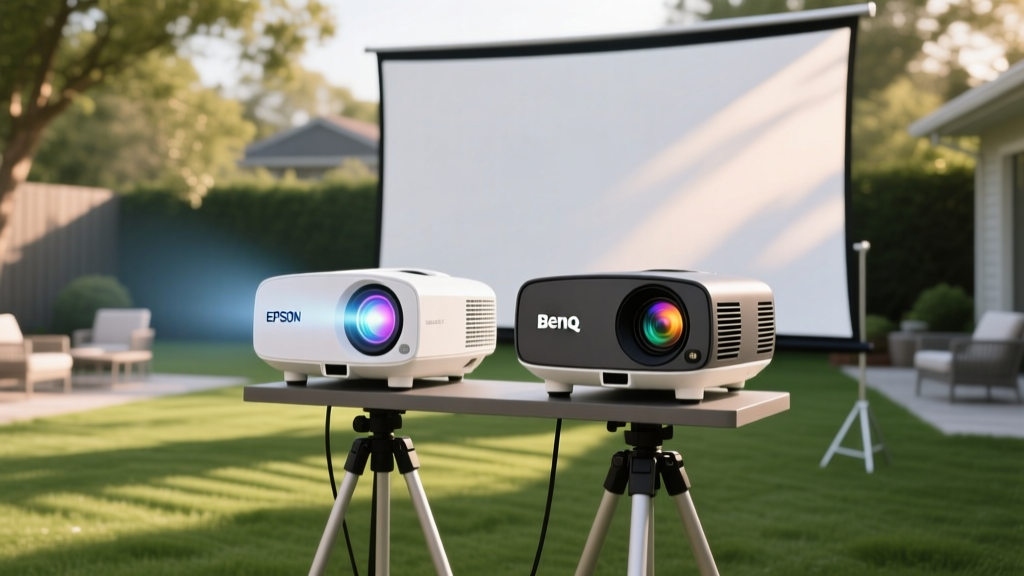
2026 Epson vs BenQ Outdoor Projector Lumen Showdown
Emily WatsonPublished
The Intersection of Lawn Aesthetics and Outdoor Cinema
Creating the ultimate backyard entertainment space in 2026 requires more than just hanging a white sheet and setting up a few folding chairs. Today's premier outdoor living designs bridge the gap between meticulous landscape architecture and high-end audiovisual technology. One of the most striking trends this year is the integration of precision lawn striping with high-lumen outdoor movie projector setups. When you are comparing industry titans like Epson and BenQ for your outdoor cinema, understanding how lumen output interacts with the aesthetic patterns of your turf is the secret to achieving a true theater-grade experience under the stars.
The magic of a backyard cinema isn't just about the screen; it is about the entire environment. A beautifully striped lawn creates a premium, stadium-like ambiance that elevates a simple movie night into a luxury event. But beyond aesthetics, the physical properties of striped grass actually play a crucial role in how your projector's light behaves in an open-air environment. In this comprehensive 2026 guide, we will explore the physics of turf reflection, compare the latest Epson and BenQ lumen outputs, and show you how to integrate smart landscape lighting for the perfect outdoor viewing experience.
The Physics of Lawn Striping and Light Reflection
To understand why lawn striping matters for outdoor movie setups, we must first look at the physics of light reflection. Grass blades are essentially thousands of tiny, angled mirrors. When a projector casts an image onto a screen, a significant amount of ambient light spills over the edges and hits the ground. If your lawn is cut haphazardly, the grass blades point in random directions, scattering this spilled light back toward the viewers. This scattered light creates a hazy 'ground glow' that reduces the perceived contrast of your screen, making dark movie scenes look washed out.
Lawn striping solves this problem through directional light absorption. According to turfgrass experts at the University of Minnesota Extension, the visual stripes on a lawn are created by bending the grass blades in opposite directions. Grass bent away from you reflects less light and appears dark, while grass bent toward you reflects more light and appears light. By strategically planning your mowing pattern so that the 'dark' stripes dominate the area immediately in front of the screen and the seating area, you effectively create a natural, light-absorbing mat. The downward-bent blades absorb the projector's ambient spill rather than reflecting it into the audience's eyes, drastically improving your screen's contrast ratio without needing to buy an expensive ambient light rejecting (ALR) screen.
Epson vs. BenQ: 2026 Lumen and Contrast Showdown
When selecting a projector for an outdoor environment where you cannot completely control ambient light (such as twilight, moonlight, or neighboring streetlights), lumen output is your most critical specification. However, not all lumens are created equal. In 2026, the market is dominated by two distinct approaches to outdoor projection: Epson's 3LCD laser technology and BenQ's DLP LED/Laser hybrid systems. Both brands offer phenomenal outdoor solutions, but they achieve their brightness and contrast through fundamentally different mechanisms.
Epson's flagship outdoor-capable models, such as their latest EpiqVision ultra-short-throw and portable laser series, utilize 3LCD technology. This ensures that Color Brightness is equal to White Brightness. If an Epson projector is rated for 4,000 ANSI lumens, it delivers 4,000 lumens of vibrant color. This is a massive advantage during twilight hours when the sun is just setting and ambient blue light is fighting against your projected image. The high color lumen output cuts through the dusk, maintaining saturation and clarity.
BenQ, on the other hand, often leans into advanced DLP (Digital Light Processing) technology for their premium home and outdoor cinema models. While some BenQ models might feature slightly lower peak white lumen ratings compared to Epson's brightest laser engines, they frequently excel in native contrast and cinematic color accuracy. BenQ's dynamic iris and advanced light-source modulation allow for incredibly deep blacks once the sun has fully set. For homeowners who plan to start their movies well after dusk, BenQ's contrast performance provides a more traditional, theater-like depth.
As highlighted in extensive field tests by Tom's Guide, choosing between the two often comes down to your specific viewing schedule. If you are hosting early-evening gatherings where the lawn is still bathed in twilight, Epson's raw lumen power is unmatched. If you are a cinephile waiting for total darkness to enjoy deep, shadowy sci-fi epics, BenQ's contrast capabilities shine.
Technical Specification Comparison
Below is a structured comparison of the typical 2026 flagship specifications for high-brightness outdoor projectors from both manufacturers. Note that exact model numbers vary by region, but these specifications represent the current tier of premium outdoor entertainment setups.
| Feature | Epson Flagship (Laser 3LCD) | BenQ Flagship (LED/Laser DLP) |
|---|---|---|
| White Brightness | 4,000 ANSI Lumens | 3,300 ANSI Lumens |
| Color Brightness | 4,000 Lumens (Equal to White) | 3,300 Lumens |
| Dynamic Contrast Ratio | 2,500,000:1 | 500,000:1 |
| Light Source Life | 20,000 Hours (Eco/Normal) | 30,000 Hours (LED/Laser Hybrid) |
| Best Viewing Condition | Twilight & High Ambient Light | Deep Night & Cinematic Contrast |
| Smart Integration | Android TV / Matter 1.3 Support | Proprietary OS / HomeKit Support |
Smart Home Integration for Landscape Lighting
A high-lumen projector is only half the battle; managing your surrounding landscape lighting is equally vital. In 2026, smart home ecosystems utilizing the Matter protocol make it easier than ever to synchronize your outdoor lighting with your projector's power state. When you are setting up your Epson or BenQ projector, you must ensure that your path lights, hardscape lighting, and uplighting do not wash out the screen.
According to smart home reviewers at CNET, the best outdoor setups utilize automated routines. By linking your projector's smart plug or network trigger to your landscape lighting hub (such as Philips Hue or Lutron), you can create a 'Cinema Mode' routine. When triggered, this routine should immediately dim all path lights to 15% brightness and shift their color temperature to a warm 2200K. Warm, dim light preserves the audience's night vision and minimizes the amount of light bouncing off the grass and onto the screen. Furthermore, ensure that any directional spotlights illuminating your garden beds are angled strictly downward or away from the projection axis to prevent direct beam interference.
Step-by-Step Turf Preparation for Movie Night
To achieve the light-absorbing striped effect mentioned earlier, you must prepare your lawn correctly on the day of the event. Here is the professional protocol for prepping your turf for an outdoor cinema setup:
- Timing the Cut: Mow your lawn in the late afternoon, approximately four hours before sunset. This allows the grass blades time to recover slightly from the stress of cutting while still maintaining their bent, striped orientation.
- Height Settings: Set your mower deck to 3 inches. Taller grass holds a stripe much better than short grass, and the longer blades will create deeper, darker shadows when bent toward the screen.
- Using a Striper Kit: Attach a weighted lawn roller or a dedicated striping kit to the back of your mower. The weight is what physically bends the grass. For the area directly in front of the screen, mow in straight lines moving away from the seating area to create the 'dark' light-absorbing stripes.
- Perimeter Framing: To add a premium aesthetic, use a checkerboard or diagonal pattern for the outer perimeter of the seating area. This frames the viewing zone and signals to guests that they are entering a dedicated entertainment space.
- Hydration Management: Water your lawn deeply the morning of the event, but never in the evening. Damp grass reflects light unpredictably, creates uncomfortable humidity for seated guests, and can cause mud issues in high-traffic viewing areas.
Conclusion
Designing an outdoor entertainment space in 2026 is a holistic endeavor. By understanding the intricate relationship between your projector's lumen output and the physical properties of your lawn, you can achieve a backyard cinema that rivals commercial theaters. Whether you choose the twilight-cutting power of an Epson 3LCD laser or the deep-night contrast of a BenQ DLP, pairing your technology with precision lawn striping and smart landscape lighting will ensure your outdoor movie nights are visually stunning, comfortable, and unforgettable.
