Gardening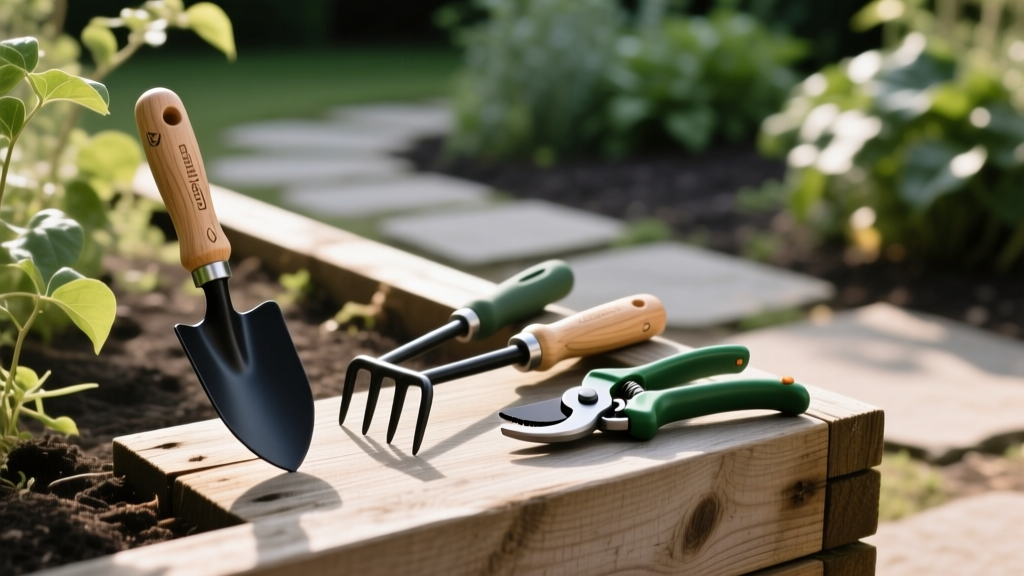
Best Ergonomic Hand Tools for Raised Bed Gardening
Anna KowalskiPublished
The Hidden Physical Toll of Raised Bed Gardening
Raised bed gardening is widely celebrated for its superior drainage, extended growing seasons, and ability to bypass poor native soil. However, the physical demands of maintaining these beds are often overlooked. While raised beds elevate the soil profile closer to the gardener, they still require repetitive digging, planting, weeding, and pruning. Over time, these repetitive motions can lead to severe joint fatigue, carpal tunnel syndrome, and lower back strain, especially when using poorly designed, traditional garden tools.
Transitioning to ergonomic garden hand tools is not merely a luxury; it is a vital investment in your long-term health and gardening longevity. According to the Arthritis Foundation, utilizing tools with padded, angled, and easy-to-grip handles can significantly reduce the stress placed on vulnerable joints and tendons. This comprehensive guide explores the best ergonomic hand tools specifically suited for raised bed vegetable and flower gardening, helping you cultivate a thriving garden without sacrificing your physical well-being.
Understanding Gardening Biomechanics
When you grip a standard, straight-handled trowel and force it into compacted raised bed soil, your wrist is forced into extreme extension. This position compresses the median nerve and strains the flexor tendons, which are primary contributors to repetitive strain injuries (RSIs). Ergonomic tools are engineered to keep your wrist in a neutral, handshake position, transferring the force from your delicate wrist joints to the larger, stronger muscles of your forearm and shoulder.
"Investing in ergonomically designed tools is not just about comfort; it is a critical preventative measure against long-term musculoskeletal disorders that can permanently sideline a passionate gardener."
Furthermore, the height of your raised bed dictates your tool needs. The Colorado State University Extension notes that raised beds can range from 11 inches to over 30 inches in height. Taller beds require shorter-handled, precision hand tools, while lower beds benefit from long-handled ergonomic cultivators that allow you to work from a standing position without bending at the waist.
Handle Materials: Wood vs. Fiberglass vs. Resin
Before selecting specific tools, it is crucial to understand the materials used in ergonomic handles, as they dictate the tool's weight, vibration absorption, and grip security.
Traditional Hardwood
While aesthetically pleasing and traditional, solid wood handles (like ash or hickory) transmit shock directly into the hand. They also become slippery when wet or when you are wearing gloves, forcing you to grip tighter and increasing muscle fatigue.
Fiberglass with Rubber Overmold
Fiberglass cores provide immense structural strength without the weight of solid steel. When wrapped in a textured rubber or thermoplastic elastomer (TPE) overmold, these handles absorb shock and provide a non-slip grip even in muddy conditions, drastically reducing the grip force required.
Solid Resin and Aluminum
Modern ergonomic tools often feature cast aluminum heads that seamlessly transition into resin-encased handles. This eliminates the weak point where the head meets the handle, preventing snapping, while allowing for complex, contoured shapes that perfectly cradle the human hand.
Top 4 Essential Ergonomic Tools for Raised Beds
1. Radius Garden 20202 ERG Soil Knife
The traditional Japanese Hori Hori knife is a gardening staple, but its straight handle can cause severe wrist strain during heavy digging. The Radius Garden ERG Soil Knife reinvents this classic tool. It features a patented, O-shaped resin handle that allows you to grip the tool from multiple angles while keeping your wrist completely straight. The blade is heavy-duty, serrated stainless steel, perfect for slicing through dense compost, cutting twine, and dividing perennials in the confined space of a raised bed.
2. Fiskars Ergonomic Transplanter and Trowel Set
Fiskars has long been a leader in garden tool innovation. Their Ergonomic Transplanter features a uniquely angled neck that naturally positions your hand and wrist in a neutral alignment during the scooping and lifting motion. The handle is crafted from a soft, textured grip that conforms to the hand, reducing blister formation. The aluminum head is rust-resistant and stamped with depth markings, which is incredibly useful for ensuring proper seed and transplant depth in your freshly amended raised bed soil.
3. Felco 8 Bypass Pruning Shears
Pruning tomatoes, harvesting peppers, and deadheading flowers require hundreds of repetitive squeezes. The Felco 8 features a rotating lower handle that rolls with your fingers as you squeeze. This ingenious design distributes the cutting pressure across all four fingers rather than concentrating it on the thumb and index finger, reducing the effort required by up to 30%. The hardened steel blade ensures clean cuts that promote rapid plant healing and disease resistance.
4. Garden Weasel 90206 Step 'N Cultivator
For raised beds that are 12 inches or lower, bending over to cultivate the soil surface can wreak havoc on the lumbar spine. The Garden Weasel Step 'N Cultivator is a long-handled, stand-up tool that allows you to break up soil crust and incorporate top-dress compost while standing fully upright. The foot pegs allow you to use your body weight rather than your back muscles to drive the tines into the soil, making aeration and weed disruption effortless.
Comparison Chart: Standard vs. Ergonomic Tools
| Tool Type | Standard Design Features | Ergonomic Design Features | Primary Health Benefit |
|---|---|---|---|
| Hand Trowel | Straight neck, smooth wooden handle | Angled neck, contoured rubber grip | Reduces wrist extension and prevents carpal tunnel strain |
| Pruning Shears | Fixed handles, stiff spring return | Rotating lower handle, shock-absorbing bumpers | Distributes grip force, reducing thumb and finger fatigue |
| Soil Knife | Oval wood handle, requires tight grip | O-handle or curved resin grip, non-slip texture | Allows multi-angle gripping, minimizing forearm tension |
| Cultivator | Short handle, requires deep bending | Long telescoping handle, foot-assisted tines | Eliminates lumbar flexion and prevents lower back pain |
Best Practices for Tool Maintenance and Longevity
An ergonomic tool is only effective if it is properly maintained. A dull blade requires significantly more physical force to use, negating the ergonomic benefits of the handle. The Royal Horticultural Society (RHS) emphasizes that regular cleaning, sharpening, and oiling are essential for tool longevity and gardener safety.
Daily Cleaning Routine
After working in your raised beds, wipe down all metal surfaces with a stiff brush to remove soil and plant sap. Soil contains moisture and microbes that can rapidly degrade steel and spread plant diseases between beds. For stubborn sap on pruning shears, use a cloth dampened with rubbing alcohol.
Sharpening and Lubrication
Keep a diamond honing file in your garden shed. Give your trowels and soil knives a few strokes with the file every few weeks to maintain a sharp edge. After cleaning and sharpening, wipe the metal parts with a rag lightly coated in boiled linseed oil or a food-safe mineral oil. This prevents rust and ensures the tool glides smoothly through dense, loamy raised bed soil.
Handle Care
While fiberglass and resin handles are virtually maintenance-free, if you do use tools with exposed wood, apply a coat of raw linseed oil at the end of the growing season to prevent the wood from drying out, cracking, and splintering.
Integrating Ergonomics with Raised Bed Design
To maximize the benefits of your ergonomic tools, ensure your raised bed setup complements your physical needs. If you are building new beds, consider a height of 24 to 30 inches, which allows you to sit on the edge of the bed while planting and weeding. This seated position, combined with short-handled, angled ergonomic trowels, completely eliminates the need to bend or kneel.
Additionally, keep your tools organized on a nearby potting bench or tool rack. Repeatedly bending down to pick up tools from the ground is a common cause of back strain. A waist-high tool station keeps your equipment within easy reach and encourages you to take natural micro-breaks while transitioning between tasks.
Conclusion
Upgrading to ergonomic hand tools is one of the most impactful changes you can make to your gardening routine. By respecting the biomechanics of the human body and choosing tools that promote neutral joint alignment, you can protect yourself from chronic pain and fatigue. Whether you are turning compost, transplanting delicate seedlings, or harvesting a bumper crop of vegetables, the right ergonomic equipment ensures that your raised bed garden remains a source of joy, health, and abundance for years to come.
