Gardening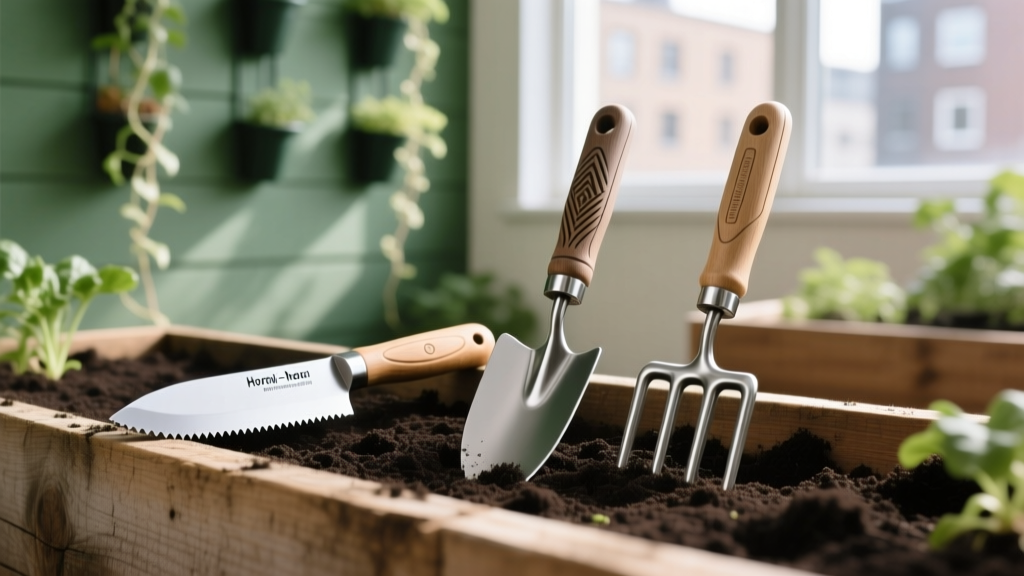
Essential Hand Tools for Raised Bed Vegetable Gardening
David ParkPublished
Mastering Your Raised Bed Arsenal: Why Specialized Tools Matter
Raised bed gardening has fundamentally changed how home growers approach vegetable and flower cultivation. By elevating the planting area, gardeners gain superior control over soil quality, improve drainage, and extend the growing season due to faster soil warming in the spring. According to the University of Minnesota Extension, raised beds also significantly reduce soil compaction because the growing area is strictly defined and protected from foot traffic. However, the unique physical dimensions of raised beds—typically ranging from 10 to 24 inches in depth and 3 to 4 feet in width—demand a specialized approach to tool selection.
Standard long-handled shovels and wide garden rakes are often too cumbersome for the tight spacing and intensive planting methods used in raised beds. Instead, success relies on ergonomic, precision hand tools that allow you to manage deep soil profiles, maintain aerated surfaces, and monitor moisture levels without disturbing delicate root systems. This comprehensive guide breaks down the essential hand tools and equipment every raised bed gardener needs, complete with specific measurements, material recommendations, and maintenance strategies to protect your investment.
The Hori Hori Knife: The Ultimate Multi-Tool
If you could only bring one tool into your raised bed garden, it should be the Hori Hori knife. Originating in Japan as a tool for excavating alpine plants, this rugged implement has become a staple for vegetable gardeners worldwide. A high-quality Hori Hori features a 7-inch stainless steel or carbon steel blade that is concave on one side and convex on the other.
Key Features and Practical Uses
- Dual-Edge Design: One side of the blade is razor-sharp for slicing through twine, harvesting root crops, and cutting cover crops, while the other side features a rugged serrated edge for sawing through thick taproots or opening stubborn bags of compost.
- Depth Markings: The blade is typically etched with millimeter and inch measurements. This is invaluable when planting seeds or transplants in raised beds, ensuring precise depth placement for optimal germination.
- Concave Scoop: The slight curve of the blade allows it to function as a miniature shovel, perfect for digging narrow, deep holes for transplanting tomato seedlings or extracting stubborn weeds like dandelions without disturbing neighboring plants.
When shopping for a Hori Hori, look for a full-tang construction where the steel extends entirely through the handle. Hardwood or durable resin handles offer the best grip when your hands are wet or covered in soil.
Ergonomic Hand Trowels for Deep Soil Mixing
While a Hori Hori is excellent for precision tasks, you still need a reliable hand trowel for moving larger volumes of soil, mixing in granular fertilizers, and blending compost into the top few inches of your raised bed. Standard narrow trowels are inefficient for the loose, fluffy soil mixes typically used in raised beds (such as the popular equal-parts mix of peat moss, coarse vermiculite, and blended compost).
Choosing the Right Blade and Grip
For raised beds, opt for a trowel with a wider, deeper scoop. A blade width of at least 3.5 inches allows you to move soil much faster when amending your beds between seasons. Aluminum alloy blades are highly recommended because they resist rust and easily glide through the loose, organic-rich soil of a raised bed without the heavy drag associated with thick steel.
Ergonomics are equally critical. Because raised beds reduce the need to bend over, the strain shifts to your wrists and forearms. Tools with patented curved handles, such as those offered by Radius Garden or the Fiskars Ergo line, are designed to keep your wrist in a neutral, straight position. This mechanical advantage significantly reduces hand fatigue and prevents repetitive strain injuries during heavy spring planting sessions.
Hand Cultivators and Rakes for Surface Aeration
Over the course of a growing season, the surface of your raised bed soil can develop a hard crust due to heavy rainfall and overhead watering. This crusting restricts oxygen flow to the soil microbiome and impedes water infiltration. A hand cultivator is your primary defense against this issue.
Three-Prong vs. Five-Prong Cultivators
A three-prong hand cultivator is generally the most versatile choice for raised beds. The wider spacing between the tines allows you to break up surface crusts and uproot shallow weed seedlings without excessively disturbing the deeper soil layers where beneficial mycorrhizal fungi networks are established. When cultivating around established vegetable plants, use a gentle pulling motion to scratch only the top half-inch of the soil. This technique, often called 'blind cultivation,' disrupts weed germination while preserving soil moisture by breaking the capillary action that draws water to the surface to evaporate.
Pro Tip: Never use a cultivator near the base of shallow-rooted crops like lettuce or onions. Instead, rely on the precise edge of your Hori Hori knife to carefully excise weeds at the soil line.
Long-Probe Soil Moisture Meters
Watering is the most common point of failure in raised bed gardening. Because raised beds drain exceptionally well, the surface soil can appear bone dry while the root zone twelve inches below remains waterlogged. Conversely, the surface might look damp while the deep roots are suffering from drought stress.
To eliminate the guesswork, invest in a long-probe soil moisture meter. Standard houseplant meters feature 4-inch probes, which are useless for deep raised beds. You need a meter with a minimum 10-inch stainless steel probe to accurately read the moisture levels at the root zone of mature tomatoes, peppers, and squash.
Analog vs. Digital Meters
Analog meters, which operate via a simple galvanic reaction between two dissimilar metals in the soil, require no batteries and are highly reliable for basic wet/dry readings. Digital meters often include additional sensors for soil pH, light levels, and temperature. While digital options provide more data, ensure the model you choose is specifically calibrated for outdoor garden soils rather than indoor potting mixes, as the high organic matter content in raised beds can sometimes skew cheap digital sensors.
Tool Comparison and Selection Guide
Use the following comparison chart to prioritize your tool purchases based on your specific gardening needs and budget.
| Tool Category | Primary Use Case | Critical Feature to Verify | Estimated Cost Range |
|---|---|---|---|
| Hori Hori Knife | Precision digging, cutting, measuring depth | Full-tang steel, serrated edge, mm markings | $25 - $45 |
| Ergonomic Trowel | Moving soil, mixing compost, transplanting | Wide aluminum scoop, wrist-neutral handle | $15 - $35 |
| Hand Cultivator | Surface aeration, shallow weed disruption | Three-prong forged steel, comfortable grip | $12 - $25 |
| Moisture Meter | Monitoring deep root-zone hydration | Minimum 10-inch probe length | $15 - $40 |
Cleaning, Sharpening, and Storage Protocols
High-quality hand tools represent a significant investment, and the moist, nutrient-dense environment of a raised bed can quickly degrade neglected metal. Proper maintenance ensures your tools remain sharp, rust-free, and sanitary, preventing the spread of soil-borne pathogens between plants.
According to experts at The Old Farmer's Almanac, keeping tools clean and sharp reduces the physical effort required to garden and minimizes damage to plant tissues. At the end of every gardening session, knock off loose dirt and wipe the blades with a damp cloth. For stubborn, clay-heavy soil, use a stiff bristle brush.
The Sand and Oil Bucket Trick
One of the most effective storage and maintenance methods for hand tools is the sand-and-oil bucket. Take a standard 5-gallon bucket and fill it with coarse builder's sand. Pour a quart of food-grade mineral oil (or boiled linseed oil) into the sand and mix it thoroughly. At the end of the day, simply plunge your Hori Hori knife, trowel, and cultivator into the oiled sand several times. The coarse sand acts as a gentle abrasive to clean the metal and hone the edge, while the mineral oil coats the blade to prevent oxidation and rust. Store your tools in a dry shed or garage, hanging them by their handles to keep the wood or resin grips away from standing moisture.
Conclusion
Equipping yourself with the right hand tools transforms raised bed gardening from a labor-intensive chore into a precise, enjoyable practice. By investing in a full-tang Hori Hori knife, an ergonomic wide-scoop trowel, a three-prong cultivator, and a deep-probe moisture meter, you will optimize your soil health, conserve water, and maximize your vegetable yields season after season.
