
Tree Care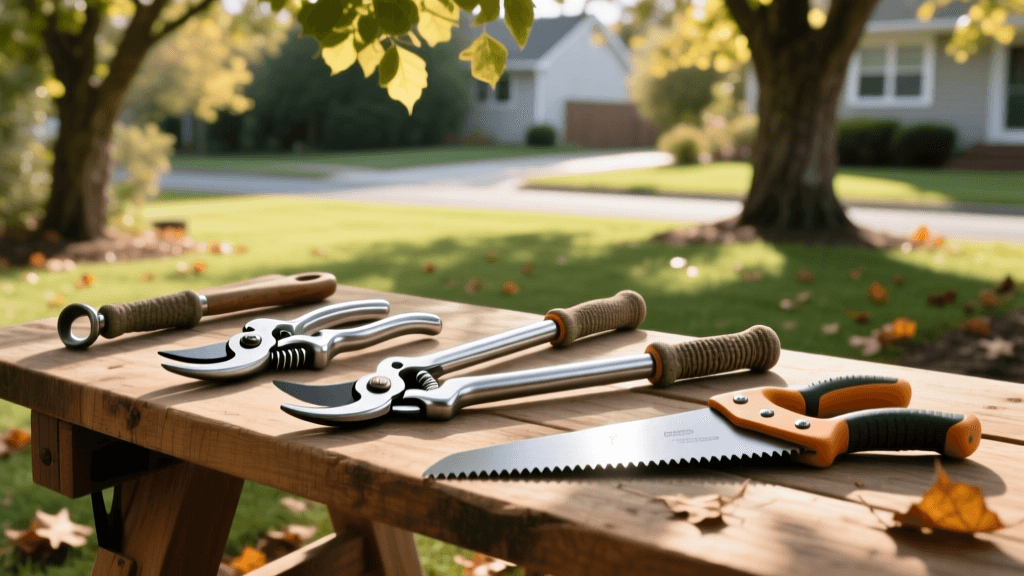
Essential Tree Pruning Tools: The Ultimate Buyer's Guide
Why the Right Pruning Tools Matter
Pruning is one of the most critical maintenance practices for tree health, structural integrity, and aesthetic appeal. However, using dull, inappropriate, or poorly maintained equipment can cause more harm than good. Ragged cuts tear the bark, leaving trees vulnerable to wood-boring insects and fungal pathogens. According to the University of Minnesota Extension, making clean, precise cuts just outside the branch collar is essential for rapid wound compartmentalization. To achieve this, homeowners and amateur arborists must invest in high-quality tools tailored to specific branch diameters. This comprehensive buyer's guide breaks down the essential tree care equipment you need, from precision hand pruners to heavy-duty pole saws, including material considerations, price ranges, and maintenance tips.
Hand Pruners (Secateurs): For Precision Cuts
Hand pruners are the workhorses of any tree care kit, designed for cutting branches up to 3/4 inch in diameter. They are ideal for removing water sprouts, dead twigs, and shaping young canopies.
Bypass vs. Anvil Pruners
Bypass pruners operate like scissors, with a sharp curved blade passing by a thicker lower jaw. This mechanism creates a clean, flush cut that heals quickly, making bypass pruners the mandatory choice for live, green wood. Anvil pruners feature a straight blade that crushes against a flat base. While they provide more crushing power for dead, brittle wood, they will severely damage live tissue and should never be used for precision tree pruning.
Key Features to Look For
When shopping for bypass hand pruners, prioritize high-carbon steel blades, which hold a sharper edge longer than stainless steel. Look for models with replaceable blades and springs; premium brands like Felco and Corona offer fully serviceable parts, extending the tool's lifespan indefinitely. Ergonomic handles with rotating lower grips can significantly reduce hand fatigue and the risk of carpal tunnel syndrome during prolonged pruning sessions. Expect to spend between $40 and $70 for a professional-grade pair.
Loppers: Reaching and Leverage
When branches exceed the 3/4 inch capacity of hand pruners but are still under 2 inches thick, loppers are the correct tool. Their long handles provide the mechanical leverage needed to slice through thicker wood without excessive physical strain.
Handle Materials and Lengths
Loppers typically range from 18 to 32 inches in length. Shorter loppers offer better control in tight canopy spaces, while longer handles provide maximum leverage and reach. Aluminum handles are lightweight and rust-resistant, making them ideal for overhead work. Fiberglass handles offer superior shock absorption, reducing the impact on your joints when cutting dense hardwoods. Wood handles, traditionally made from hickory, provide a classic feel and excellent vibration dampening but require occasional oiling to prevent drying and cracking.
Ratchet and Compound Action Mechanisms
For gardeners with limited grip strength or those tackling exceptionally tough species like oak or hickory, consider ratchet or compound-action loppers. Ratchet loppers cut in stages, locking the blade in place after each squeeze, allowing you to power through thick branches with a fraction of the effort. Compound-action loppers utilize multiple pivot points to multiply your cutting force. While these mechanisms add weight and complexity, they are invaluable for heavy-duty pruning tasks. Quality loppers generally cost between $50 and $120.
Pruning Saws: Tackling Thick Branches
For limbs larger than 2 inches in diameter, a pruning saw is mandatory. Attempting to force loppers through thick limbs will result in crushed wood, stripped bark, and potentially dangerous tool failure.
Blade Geometry and Teeth Per Inch (TPI)
Pruning saws feature aggressive, razor-sharp teeth designed to cut on the pull stroke, which prevents the blade from bending or binding in the kerf. Blades are categorized by their Teeth Per Inch (TPI). A lower TPI (7-9) indicates larger, more aggressive teeth suited for fast cutting through thick, green, or soft wood. A higher TPI (10-14) provides a smoother, slower cut, ideal for dry hardwoods or finished carpentry-style pruning.
Curved vs. Straight Blades
Curved blades are the industry standard for arborists. The curve naturally hooks onto the branch, preventing the saw from sliding off the target, and the geometry allows for greater downward cutting force. Straight blades are better suited for precise, flush cuts in tight crotches or for cutting roots where a hook might catch on soil and rocks.
Folding vs. Fixed Sheath
Folding pruning saws are incredibly popular among homeowners due to their safety and portability. The blade locks securely into the handle when not in use, making them safe to carry in a pocket or tool belt. Fixed-blade saws with a rigid scabbard are preferred by professionals who need to draw the saw quickly while climbing or working at height. Premium Japanese-style pull saws, such as those made by Silky, offer unparalleled cutting speed and edge retention, with prices ranging from $60 to over $150.
Pole Pruners: Safe High-Canopy Management
Safety is paramount in tree care. Climbing ladders with chainsaws or hand tools is a leading cause of severe arboricultural injuries. Pole pruners allow you to safely manage the upper canopy while keeping both feet firmly on the ground.
Telescoping vs. Fixed Poles
Modern pole pruners feature telescoping fiberglass or aluminum poles that can extend from 8 feet up to 16 feet or more. Fiberglass is non-conductive, providing a crucial safety margin if you are pruning near power lines—though professionals strongly advise leaving any work within 10 feet of utility lines to certified arborists.
Manual vs. Gas/Electric Powered
Manual pole pruners utilize a pulley system and a heavy-duty rope to actuate a bypass pruning head or a small saw blade. They are lightweight, quiet, and require zero fuel or batteries. However, pulling the rope repeatedly can be exhausting. For extensive canopy thinning, pole chainsaws or pole string trimmers with brush-cutter blades offer immense power. Battery-powered pole saws (typically 40V to 80V) have largely replaced gas models for residential use due to their lower noise, zero emissions, and instant starting capabilities.
Tool Comparison and Selection Chart
| Tool Type | Max Cut Capacity | Best Use Case | Price Range |
|---|---|---|---|
| Bypass Hand Pruner | 3/4 inch | Live twigs, water sprouts, precision shaping | $40 - $70 |
| Bypass Lopper | 2 inches | Medium branches, canopy thinning | $50 - $120 |
| Pruning Saw | 6+ inches | Thick limbs, structural pruning, deadwood | $60 - $150 |
| Manual Pole Pruner | 1.5 inches | High canopy, safe ground-level reach | $70 - $130 |
The Critical Importance of Tool Sanitation
Purchasing the right tools is only half the battle; maintaining them is equally vital. The University of Florida IFAS Extension emphasizes that pruning tools can easily transmit devastating bacterial and fungal diseases, such as fire blight, oak wilt, and Dutch elm disease, from tree to tree.
Sterilization Protocols
Keep a spray bottle of 70% isopropyl alcohol or a 10% bleach solution in your tool belt. Wipe down the blades of your pruners and loppers between every single tree, and ideally between cuts if you are actively removing diseased wood. Bleach is highly corrosive to steel, so if you use it, you must rinse the blades with water and apply a light coat of machine oil afterward. Isopropyl alcohol is generally preferred as it evaporates quickly and is less damaging to tool finishes.
Sharpening and Rust Prevention
According to experts at Penn State Extension, proper timing and tool selection go hand-in-hand; using the wrong tool not only damages the tree but increases the physical risk to the operator. Furthermore, they note that a dull blade crushes plant tissue, creating a ragged wound that takes significantly longer to compartmentalize.
"A dull blade crushes plant tissue, creating a ragged wound that takes significantly longer to compartmentalize and invites opportunistic pathogens."
Use a diamond hand file or a ceramic sharpening stone to maintain the bevel on your bypass pruners and loppers after every few hours of use. At the end of the pruning season, disassemble your tools, remove sap buildup with a wire brush and soapy water, dry them thoroughly, and coat all metal parts with a protective oil like Camellia oil or WD-40 Specialist Corrosion Inhibitor before storing them in a dry environment.
Conclusion
Equipping yourself with the proper tree pruning tools is an investment in the long-term health, safety, and beauty of your landscape. By selecting high-carbon bypass pruners for fine detail work, leveraging compound-action loppers for medium limbs, and utilizing razor-sharp Japanese pull saws for heavy cutting, you ensure that every wound your tree sustains is clean and primed for rapid healing. Remember to prioritize ergonomics to protect your own physical health, and adhere to strict sanitation protocols to safeguard your trees from invisible pathogens. With the right equipment in hand, pruning transforms from a daunting chore into a rewarding practice of landscape stewardship.