Tree Care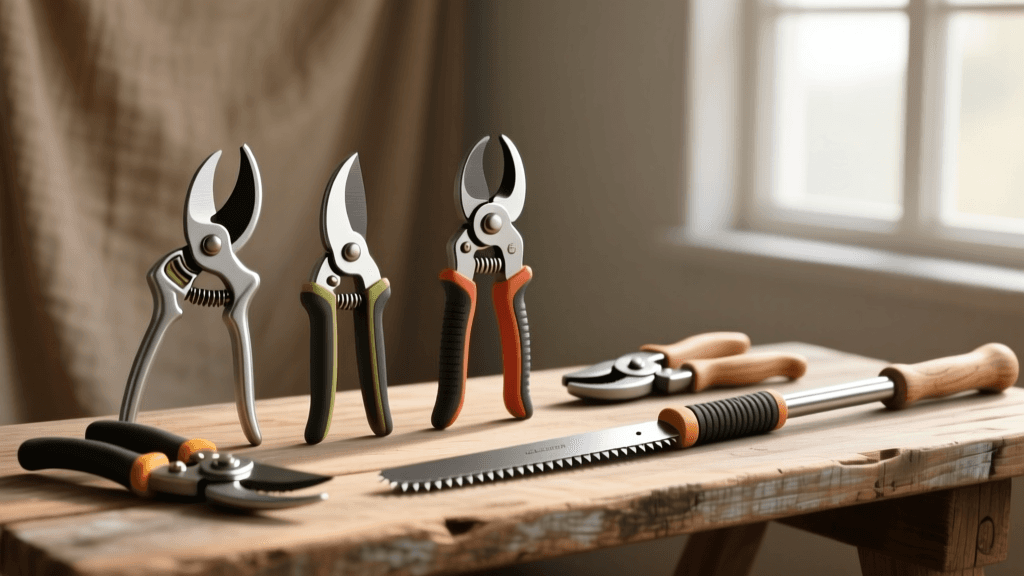
Essential Tree Pruning Tools: Hand Pruners, Loppers, and Saws Guide
Introduction to Tree Pruning Tools
Pruning is one of the most critical maintenance practices for maintaining the health, structure, and aesthetic appeal of your landscape trees. However, making the right cut is only half the battle; using the correct tool for the specific branch diameter and wood condition is equally vital. Using undersized or dull tools can crush bark, tear cambium layers, and leave jagged wounds that take years to heal, inviting pests and fungal pathogens into the tree's vascular system.
According to the University of Minnesota Extension, proper pruning cuts heal faster and significantly reduce the risk of internal decay. To achieve these clean, precise cuts, homeowners and landscaping professionals must invest in high-quality, well-maintained equipment. This comprehensive guide breaks down the essential tree pruning tools, helping you choose the right gear for every branch size and seasonal task.
Hand Pruners: The Everyday Essential
Hand pruners, also known as secateurs, are the workhorses of the garden. They are designed for one-handed operation and are ideal for making precision cuts on small branches, twigs, and stems. When shopping for hand pruners, you will generally encounter three distinct mechanisms:
Bypass Pruners
Bypass pruners operate like scissors, with two curved blades passing each other to create a clean, slicing cut. These are the absolute best choice for live, green wood. Because they cut cleanly without crushing the plant tissue, they promote rapid healing and minimize the risk of disease transmission. Premium brands like Felco and Corona offer replaceable blades and ergonomic handles, typically costing between $40 and $70.
Anvil Pruners
Anvil pruners feature a single straight cutting blade that closes down onto a flat, lower anvil block. While they offer more crushing power, they tend to mangle live, green bark. Anvil pruners should be strictly reserved for cutting dead, dry, or brittle wood where a clean cosmetic cut is unnecessary. They are generally less expensive, ranging from $15 to $30.
Ratcheting Pruners
For gardeners with arthritis or limited grip strength, ratcheting pruners are a game-changer. These tools cut in stages, locking the blade in place with each squeeze of the handle, allowing you to multiply your cutting force incrementally. They are excellent for live wood up to 3/4 of an inch thick.
Loppers: Reaching for Thicker Branches
When a branch exceeds the 3/4-inch capacity of a hand pruner, it is time to reach for a pair of loppers. Loppers feature long handles that provide the mechanical leverage needed to slice through thicker wood, typically ranging from 1 inch to 2.5 inches in diameter.
Standard vs. Compound Action
Standard loppers rely entirely on the length of the handles for leverage. However, compound-action or gear-driven loppers utilize a mechanical hinge system that multiplies your cutting force by up to three times. While gear-driven loppers are slightly heavier and more expensive (often $50 to $90), they drastically reduce user fatigue during heavy pruning sessions.
Handle Materials and Lengths
Lopper handles typically range from 15 to 32 inches. Longer handles provide more leverage and reach but can become unwieldy in dense shrubbery. Aluminum handles offer a great balance of lightweight maneuverability and strength, while fiberglass handles provide superior shock absorption, reducing the jarring impact on your elbows and shoulders when cutting hard, dead wood.
Pruning Saws: Tackling Heavy Limbs
For branches larger than 2 inches in diameter, bypass loppers will struggle and potentially bend or break. This is where a dedicated pruning saw becomes mandatory. Modern pruning saws are vastly superior to old-fashioned carpentry saws, featuring specialized teeth designed to aggressively clear wet, fibrous wood chips.
Blade Curvature and Tooth Design
Most high-quality pruning saws feature a slightly curved blade. This curvature naturally pulls the saw into the wood during the cutting stroke, reducing the physical effort required. Look for impulse-hardened, tri-edge teeth. These teeth cut on the pull stroke (which prevents the blade from bowing and binding) and are engineered to stay sharp up to three times longer than standard file-cut teeth. Brands like Silky and Corona produce exceptional folding and fixed-blade saws ranging from $30 to $80.
Folding vs. Fixed Blade
Folding pruning saws lock securely into their handles, making them incredibly safe to carry in a pocket or tool belt while climbing or moving around the yard. Fixed-blade saws, often accompanied by a hard plastic scabbard, are generally more robust and better suited for heavy, prolonged cutting sessions.
Pro Tip: Never remove the branch collar when making a pruning cut. The collar is the swollen area where the branch meets the trunk, and it contains specialized chemical compounds that help the tree compartmentalize decay and seal the wound. For more on proper cutting techniques, refer to the Colorado State University Extension guidelines.
Pole Pruners and Saws: High-Altitude Care
When dealing with canopy branches that are out of arm's reach, pole pruners and pole saws eliminate the need for dangerous ladder work. These tools consist of a cutting head mounted on an extendable pole, typically ranging from 8 to 16 feet in length.
- Fiberglass Poles: Highly recommended over aluminum or wood, especially if you are working anywhere near residential power lines. Fiberglass is non-conductive and provides excellent weather resistance.
- Weight Considerations: A fully extended 16-foot pole saw can become incredibly front-heavy. Look for models with telescoping sections that allow you to adjust the length to exactly what you need, minimizing fatigue.
- Rope-Operated Bypass Heads: Most pole pruners use a pulley and rope system to close a bypass blade at the top. Ensure the rope is thick, UV-resistant, and features a comfortable grip handle.
Tool Comparison Chart
To help you select the right tool for your current project, refer to the comparison table below:
| Tool Type | Max Branch Diameter | Best Application | Estimated Cost |
|---|---|---|---|
| Bypass Hand Pruner | Up to 3/4 inch | Live green wood, precision shaping | $40 - $70 |
| Anvil Hand Pruner | Up to 3/4 inch | Dead, dry, or brittle twigs | $15 - $30 |
| Compound Lopper | 1 inch to 2.5 inches | Thicker structural branches | $50 - $90 |
| Folding Pruning Saw | 2 inches to 6 inches | Heavy limbs, storm damage cleanup | $30 - $80 |
| Pole Pruner/Saw | Up to 6 inches | High canopy, avoiding ladder use | $60 - $150 |
Tool Maintenance and Sanitation
Investing in premium pruning tools is only worthwhile if you maintain them properly. Dull blades tear wood fibers, while dirty blades transmit devastating diseases like fire blight, oak wilt, and Dutch elm disease from tree to tree.
Sanitizing Your Blades
The Penn State Extension strongly recommends sterilizing pruning tools between every tree, and especially after cutting diseased wood. Wipe the blades thoroughly with isopropyl alcohol (70% or higher) or a 10% bleach solution. If using bleach, be sure to oil the blades immediately afterward, as bleach is highly corrosive to carbon steel.
Sharpening and Oiling
Keep your bypass pruners and loppers razor-sharp using a diamond sharpening stone or a specialized carbide sharpener. Always sharpen the beveled edge at the original factory angle (usually between 20 and 30 degrees). After sharpening and cleaning, apply a few drops of camellia oil or 3-in-One oil to the pivot points and blades to prevent rust and ensure smooth, friction-free operation.
Safety and Knowing When to Call a Professional
While having the right tools empowers you to handle routine maintenance, safety must always be your top priority. Always wear heavy-duty leather gloves, shatterproof safety glasses, and a hard hat when working under a canopy. If a branch is located near utility lines, requires you to climb a ladder while holding a saw, or is larger than 6 inches in diameter and poses a risk of falling on your home or vehicle, it is time to put the tools away. In these scenarios, hire an ISA-Certified Arborist who possesses the specialized rigging equipment, cranes, and insurance required to safely manage large-scale tree care.