
Landscaping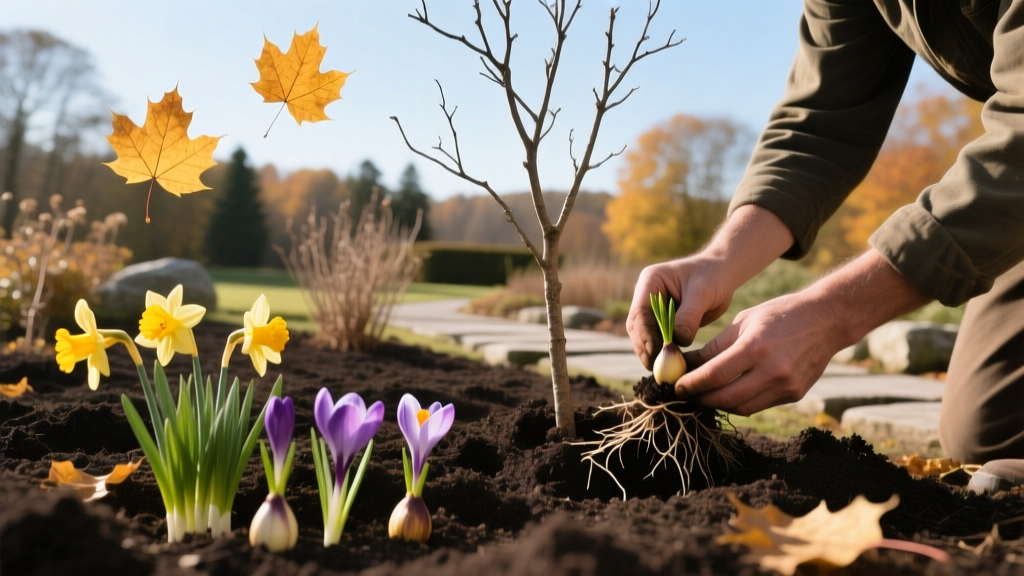
Fall Landscaping: Seasonal Planting Schedule for Trees and Shrubs
Mike RodriguezPublished
When it comes to landscaping, timing is everything. While spring often gets all the glory in garden magazines, professional landscapers and horticulturists know a well-kept secret: autumn is actually the premier season for establishing trees, shrubs, and perennials. Understanding the seasonal timing and planting schedules for fall landscaping can transform your outdoor space, ensuring robust root systems and explosive spring growth. This comprehensive guide breaks down the exact schedules, soil temperatures, and actionable steps you need to succeed.
Why Fall is the Ultimate Season for Landscape Planting
Many homeowners rush to garden centers in April, but planting in the fall offers distinct biological advantages. During autumn, the air temperatures are cooling down, which significantly reduces plant stress and minimizes the water lost through transpiration. Meanwhile, the soil remains warm from the long summer months. This combination of cool air and warm soil creates the perfect environment for vigorous root growth.
According to the University of Minnesota Extension, planting trees and shrubs in late summer to early fall allows roots to establish before the ground freezes. Without the burden of supporting a full canopy of leaves or producing flowers, the plant can direct 100 percent of its energy downward into the soil.
The Science of Autumn Root Establishment
Root growth continues as long as the soil temperature remains above 45°F (7°C). In many USDA Hardiness Zones (particularly zones 5 through 8), soil temperatures stay in this optimal range well into November. By planting on a strict seasonal schedule, you give your landscape plants a critical head start. When spring arrives, fall-planted specimens already possess an extensive root network capable of drawing up moisture and nutrients, making them far more resilient to summer droughts and heatwaves compared to their spring-planted counterparts.
For gardeners in USDA Hardiness Zones 6 and 7, the window for planting stretches from late September through early November. In Zone 5, you should aim to finish planting deciduous trees by mid-October, while gardeners in Zone 8 can often continue planting well into December. Understanding your specific microclimate and local frost dates is the foundation of any successful seasonal landscaping strategy.
Preparing the Landscape Site Before Planting
Before your seasonal planting window opens, proper site preparation is essential. Begin by conducting a comprehensive soil test through your local cooperative extension office. A soil test will reveal your pH levels and nutrient deficiencies, allowing you to amend the soil accurately. Most landscape trees and shrubs prefer a slightly acidic to neutral pH between 6.0 and 7.0. If your soil is too alkaline, you may need to incorporate elemental sulfur or peat moss weeks before planting.
Additionally, clear the planting area of aggressive perennial weeds and existing turfgrass. Removing a three-foot diameter circle of sod around the planting site eliminates root competition for water and nutrients. It also prevents lawnmower and string trimmer damage to the tender bark of young trees, which is a leading cause of premature tree death in residential landscapes.
Month-by-Month Fall Planting Schedule
To maximize your landscaping success, you must align your planting schedule with the natural rhythms of the season. Here is a detailed, month-by-month breakdown for your autumn landscape projects.
Early Fall (Late August to September): Shrubs and Evergreens
Early fall is the ideal window for planting evergreen shrubs and broadleaf evergreens. Because evergreens retain their foliage year-round, they continue to lose moisture through their needles or leaves during the winter. Planting them in September gives them a solid six to eight weeks to anchor their roots before winter winds can cause desiccation.
Actionable Advice: When planting shrubs like Arborvitae, Boxwood, or Holly, dig a hole that is exactly as deep as the root ball but two to three times as wide. This loosens the surrounding soil, encouraging lateral root spread. Backfill with native soil, avoiding heavy amendments that can create a bathtub effect and trap water.
Mid-Fall (October): Deciduous Trees and Perennials
Once deciduous trees drop their leaves, they enter dormancy above ground, making October the absolute best time to plant them. Without leaves to hydrate, the transplant shock is minimal. This is the time to install shade trees like Maples, Oaks, and Birch, as well as structural ornamental trees like Dogwoods and Redbuds.
The Arbor Day Foundation emphasizes that proper planting depth is critical for tree survival. Locate the trunk flare—the point where the trunk expands at the base—and ensure it sits slightly above the final grade. Planting too deep is the number one cause of tree failure in residential landscapes.
Cost & Measurement Tip: A standard 2-inch caliper balled-and-burlapped (B&B) tree can cost between $150 and $300. Ensure you have the right equipment or professional help, as these root balls can weigh over 300 pounds.
Late Fall (November): Spring-Blooming Bulbs and Garlic
As the soil cools and the first light frosts appear, it is time to plant spring-blooming bulbs. Tulips, Daffodils, Alliums, and Crocuses require a prolonged period of cold stratification to trigger spring flowering. November planting ensures they experience the necessary chilling hours without sprouting prematurely before winter.
According to Penn State Extension, bulbs should be planted at a depth equal to two to three times their maximum diameter. For example, a 2-inch daffodil bulb should be planted 6 inches deep. Apply a high-phosphorus bulb fertilizer at the bottom of the hole to stimulate early root development.
Soil Temperature and Moisture Guidelines
Timing your planting is only half the battle; monitoring soil conditions is equally crucial. Invest in a basic soil thermometer to track temperatures at a 4-inch depth. If the soil is above 90°F, delay planting to avoid heat stress. If it drops below 40°F, root growth slows dramatically, and you should wrap up major installations until spring.
Watering is the most misunderstood aspect of fall landscaping. Even though the air is cool, newly installed plants need consistent moisture until the ground freezes solid. Plan to provide 1 inch of water per week, either through rainfall or deep, slow irrigation. Once the ground freezes, stop watering entirely to allow the plants to harden off for winter.
Fall Landscaping Planting Schedule Chart
| Plant Category | Optimal Planting Window | Soil Temp Requirement | Watering Needs |
|---|---|---|---|
| Evergreen Shrubs | Sept 1 - Sept 30 | 60°F - 75°F | Deep soak 2x / week |
| Deciduous Trees | Oct 1 - Nov 15 | 50°F - 65°F | 1 inch / week |
| Perennials & Grasses | Sept 15 - Oct 31 | 55°F - 70°F | Keep evenly moist |
| Spring Bulbs | Nov 1 - Ground Freeze | Below 55°F | Water once at planting |
Essential Post-Planting Care: Mulching and Protection
After following your seasonal planting schedule, you must protect your investment. Apply a 2 to 3-inch layer of organic hardwood mulch over the root zone. Mulch acts as an insulating blanket, regulating soil temperatures and preventing the damaging freeze-thaw cycles that can heave shallow roots out of the ground.
Organic mulches, such as shredded bark, pine needles, or leaf mold, slowly decompose and add vital organic matter to the soil ecosystem. This decomposition process feeds beneficial soil microbes and earthworms, which in turn improve soil aeration and nutrient availability for your newly installed landscape plants.
Crucial Warning: Never pile mulch against the trunk of a tree or the stems of a shrub. This practice, known as volcano mulching, traps moisture against the bark, inviting fungal pathogens, rot, and rodent damage. Always leave a 2-inch mulch-free halo around the base of the plant.
For young trees planted in exposed areas, consider wrapping the lower trunk with commercial tree wrap or a plastic guard to prevent sunscald and damage from winter foraging animals like rabbits and voles.
Common Fall Planting Mistakes to Avoid
- Planting Too Late: Installing trees less than four weeks before the ground freezes leaves them vulnerable to frost heave. Always check your local historical frost dates.
- Skipping the Root Pruning: Container-grown shrubs often have circling roots. If you do not score the root ball and tease out the outer roots before planting, the shrub will slowly strangle itself over the next few years.
- Ignoring Drainage: Fall often brings heavy rains. If your landscape has heavy clay soil, test the drainage by filling the empty planting hole with water. If it takes more than 24 hours to drain, you must amend the broader landscape or choose moisture-tolerant species like River Birch or Winterberry Holly.
- Fertilizing Too Late: Do not apply high-nitrogen fertilizers in late fall. Nitrogen stimulates tender, green top growth that will be instantly killed by frost. Stick to slow-release, phosphorus-heavy root builders or organic compost.
Conclusion
Mastering the seasonal timing and planting schedules for your landscape is the key to a thriving, low-maintenance yard. By shifting your major planting projects to the fall months, you leverage nature's cooling cycle to build robust, drought-tolerant root systems. Follow this month-by-month schedule, monitor your soil temperatures, and avoid common installation errors. Your future self—and your vibrant spring garden—will thank you for the strategic autumn effort.

