
Landscaping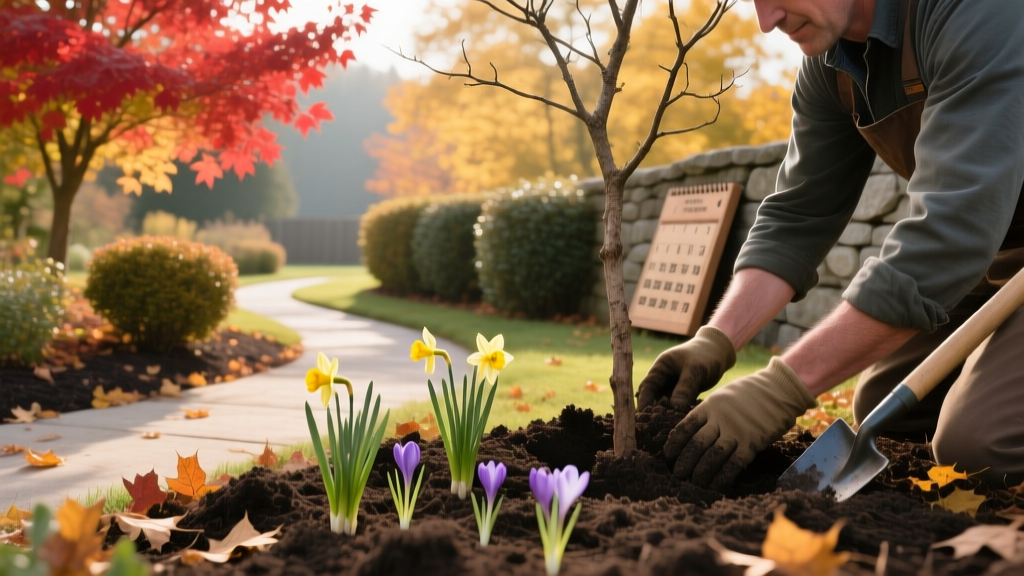
Mastering the Fall Planting Schedule: Trees, Shrubs, and Bulbs
Robert HayesPublished
Why Fall is the Superior Season for Landscaping and Planting
Landscaping is often mistakenly viewed as a purely spring endeavor. Homeowners rush to garden centers in April, battling crowds and planting in soil that is often too cold and wet. However, professional landscape architects and horticulturists know a secret: autumn is the true golden season for establishing new plantings, executing hardscape projects, and preparing garden beds. By following a precise seasonal timing and planting schedule, you set the stage for a vibrant, deeply rooted, and low-maintenance landscape the following year.
The science behind fall planting is rooted in plant physiology. During autumn, cooler air temperatures significantly reduce transplant shock and minimize the water demand of top-growth foliage. Meanwhile, the soil remains warm from the long summer months, which encourages rapid and robust root development. According to the Arbor Day Foundation, planting trees in the fall allows them to establish a critical root system before the severe stress of summer heat and drought. Furthermore, increased seasonal rainfall in many regions reduces the need for supplemental irrigation, saving you time and water bills.
The Ultimate Fall Planting Schedule by Month
Late Summer to Early Fall (Late August – September)
This transitional period is ideal for heavy hardscaping projects, soil amendment, and planting evergreens. Because evergreens do not drop their leaves, they need a longer window to establish roots before winter winds can desiccate their needles. Use this time to test your soil pH and amend garden beds with organic compost. For empty garden beds, consider planting a fall cover crop like winter rye or crimson clover in September. These crops prevent soil erosion, suppress winter weeds, and can be tilled into the soil in early spring as 'green manure,' adding vital nitrogen and organic matter back into your landscape beds.
Mid-Fall (October)
October is the undisputed prime window for planting deciduous trees, balled-and-burlapped (B&B) shrubs, and perennials. The soil temperature is typically hovering between 50°F and 65°F, which is the biological sweet spot for root growth. When selecting species, always consult the USDA Plant Hardiness Zone Map to ensure your chosen plants can withstand your specific local winter lows. Mid-fall is also the best time to apply a slow-release, phosphorus-rich fertilizer like Espoma Bio-Tone to stimulate root growth without pushing vulnerable new top-growth.
Late Fall to Early Winter (November – December)
As the first frosts arrive and deciduous trees enter dormancy, your focus should shift to spring-blooming bulbs, bare-root plantings, and winterization. The ground is still workable but cold enough to provide the necessary chilling period (vernalization) that bulbs require to break dormancy in the spring. This is also the time to wrap delicate tree trunks and apply anti-desiccant sprays to broadleaf evergreens.
Tree and Shrub Planting Guidelines and Timetable
Timing is only half the battle; proper execution is equally critical. The University of Minnesota Extension emphasizes that the most common mistake in tree planting is burying the root flare too deeply. The root flare—the point where the trunk widens at the base—must remain slightly above grade to prevent stem girdling roots and trunk rot.
| Plant Type | Ideal Soil Temp | Best Planting Window | Average Cost (Specimen) |
|---|---|---|---|
| Evergreen Trees | 60°F - 70°F | Late Aug - Mid Sept | $150 - $350 |
| Deciduous Trees (B&B) | 50°F - 65°F | October | $200 - $450 |
| Spring-Flowering Shrubs | 45°F - 60°F | Mid Oct - Early Nov | $40 - $80 |
| Bare-Root Shrubs | 40°F - 50°F | November (Dormancy) | $15 - $35 |
Spring Bulb Planting Timetable
To achieve a continuous wave of color from late winter through mid-spring, you must sequence your bulb planting based on their specific chilling requirements and planting depths. Always plant bulbs with the pointed end facing up, and incorporate a handful of bone meal or bulb-tone into the planting hole to provide essential phosphorus.
- Early Bloomers (Snowdrops, Crocus, Winter Aconite): Plant in late October to November. These require the shortest chilling period. Plant 3 to 4 inches deep and space 2 inches apart.
- Mid-Season Bloomers (Daffodils, Hyacinths, Alliums): Plant in mid-October when soil temperatures drop below 55°F. Plant 6 to 8 inches deep. Daffodils are highly resistant to deer and rodents, making them an excellent investment for rural landscapes.
- Late Bloomers (Tulips, Fritillaria): Plant in November or even early December, just before the ground freezes solid. Tulips are prone to rot if planted in warm, wet soil, so waiting for the chill is crucial. Plant 8 inches deep and consider treating the bulbs with a repellent if voles are active in your area.
Timing Your Hardscaping and Drainage Projects
Landscaping encompasses more than just softscapes; hardscaping and drainage solutions are foundational to a healthy yard. Fall is the optimal time to address grading issues and install drainage systems like French drains or dry creek beds. If you wait until spring, the ground is often saturated with snowmelt and rain, making excavation a muddy nightmare and compromising the compaction of base materials.
When laying natural stone or paver patios in the fall, ensure you excavate below the frost line and use a minimum of 6 to 8 inches of compacted crushed stone base. This prevents 'frost heave,' a phenomenon where freezing water expands beneath the hardscape, causing uneven lifting and cracking. If you are constructing retaining walls, ensure you backfill with clean, washed drainage gravel and install a perforated weeping pipe behind the wall base. Freezing temperatures will exacerbate hydrostatic pressure if water cannot escape, leading to wall failure. Sealing natural stone and concrete pavers with a siloxane-based sealer in late autumn will also protect them from winter salt damage and moisture infiltration.
Essential Winterization for New Plantings
A well-timed planting schedule must conclude with proper winterization. Newly planted trees and shrubs are highly vulnerable to their first winter. Follow these critical late-fall steps:
- Mulching: Apply a 3 to 4-inch layer of shredded hardwood mulch over the root zone to insulate the soil and retain moisture. Crucially, keep the mulch at least 3 inches away from the trunk to prevent 'mulch volcanoes,' which harbor rodents and promote bark rot.
- Anti-Desiccant Sprays: Broadleaf evergreens like rhododendrons, hollies, and boxwoods lose moisture through their leaves during harsh winter winds. Apply an organic anti-desiccant like Wilt-Pruf in late November when temperatures are above freezing but before the ground locks up.
- Trunk Protection: Wrap the trunks of young, thin-barked trees (such as maples, ash, and fruit trees) with white plastic tree guards. This prevents 'sunscald'—a condition where winter sun warms the bark, followed by rapid freezing at night, which ruptures the cambium layer. It also protects against foraging rabbits and mice.
'The secret to a spectacular spring landscape is not found in the spring at all. It is forged in the quiet, methodical work of autumn soil prep, precise planting schedules, and thoughtful winterization.'
Conclusion
Mastering the seasonal timing and planting schedule for your landscape requires patience and a shift in perspective. By moving your heavy planting and hardscaping efforts to the fall, you leverage natural weather patterns to build stronger, more resilient plants and more durable outdoor living spaces. Stick to this timetable, respect your local hardiness zone, and you will be rewarded with a thriving, deeply established landscape that bursts into life the moment spring arrives.

