Lawn Care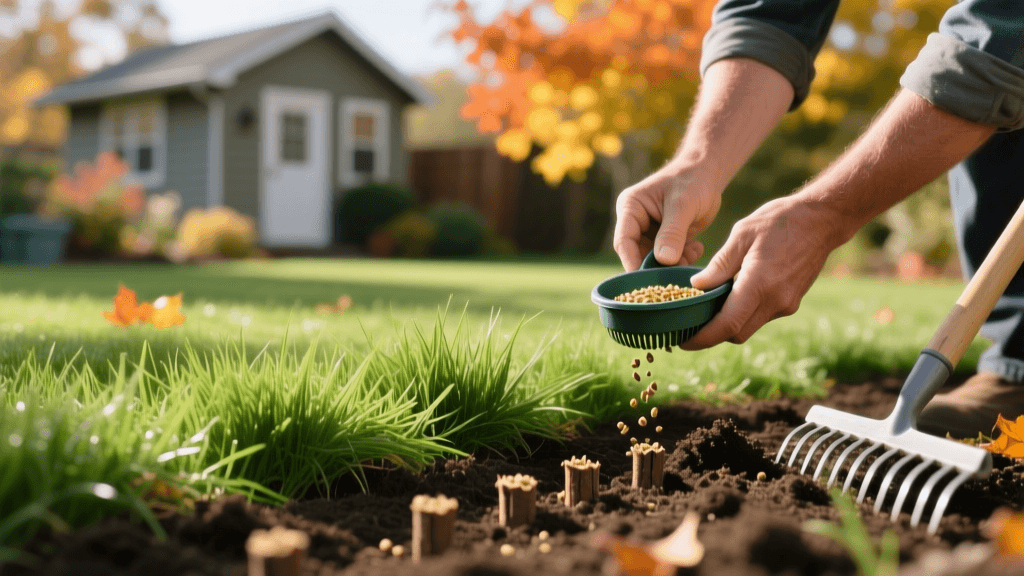
Complete Fall Lawn Renovation Guide for Cool-Season Grasses
Why Fall is the Ultimate Season for Lawn Renovation
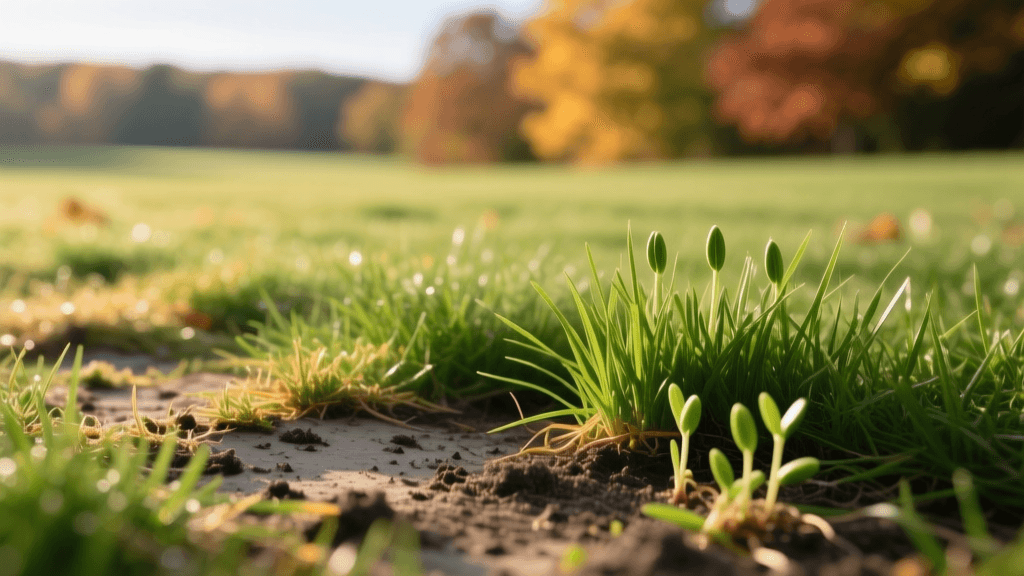
Cool-season grasses like Kentucky bluegrass, tall fescue, and perennial ryegrass endure brutal summers. By late August, many lawns are left with bare patches, thinning turf, and compacted soil. While spring might seem like a logical time to fix your yard, early fall (late August through mid-October) is universally recognized by turfgrass scientists as the absolute best window for lawn renovation and recovery. The soil is still warm from the summer, which accelerates seed germination, while the cooler autumn air reduces heat stress on young seedlings. Furthermore, fall weed competition is significantly lower, and natural rainfall patterns often help keep the seedbed moist.
If your lawn is more than 50% bare or overrun with invasive weeds, a complete renovation is required. If your lawn is just thinning or suffering from minor bare spots, overseeding and core aeration will suffice. According to the University of Minnesota Extension, proper site preparation is the single most critical factor in determining the long-term success of your fall lawn renovation. Skipping prep work will result in poor seed-to-soil contact and wasted money. This comprehensive guide will walk you through the exact steps, costs, and timelines required to recover your cool-season lawn.
Step 1: Soil Testing and Amendment (Late August)
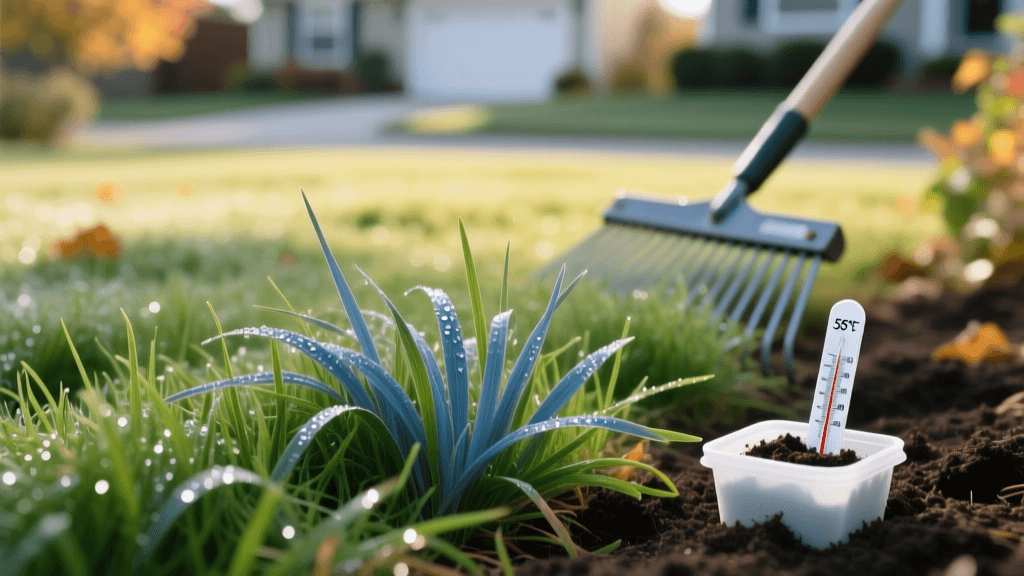
Before buying a single bag of seed, you must understand your soil's chemistry. Cool-season grasses thrive in soil with a pH between 6.0 and 7.0. If your soil is too acidic (below 6.0), essential nutrients like phosphorus and potassium become locked up and unavailable to the grass roots. You can purchase a mail-in soil test kit from your local university extension office for roughly $20 to $30. Results typically take two weeks to return, which is why this step must happen in mid-to-late August.
Once your results arrive, apply the recommended amendments. If your pH is low, apply pelletized lime. A standard application is 50 lbs of lime per 1,000 square feet, which costs about $15. If your soil lacks phosphorus—a critical nutrient for root development in new seedlings—your soil test will recommend a starter fertilizer. Do not guess your soil's needs; blind applications of lime or sulfur can severely damage your turf and set your renovation back by months.
Step 2: Mowing and Dethatching (Early September)
Seed needs to touch dirt to germinate. If your existing grass is too tall, or if you have a thick layer of thatch, the seed will get trapped in the canopy, dry out, and die. Begin by mowing your existing lawn exceptionally short. Lower your mower deck to 1.5 or 2 inches and bag all the clippings. This 'scalping' process shocks the existing grass slightly but opens up the canopy to allow sunlight to reach the soil surface.
Next, check your thatch layer. Thatch is the spongy layer of dead and living organic matter between the green grass blades and the soil surface. Use a trowel to dig up a small cross-section of your lawn. If the thatch layer is thicker than 0.5 inches, you must dethatch. You can rent a power rake (dethatcher) from a local hardware store for about $60 to $80 per day. Run the machine over the lawn in two perpendicular directions to rip out the dead organic material. Rake up the debris and remove it from the site.
Step 3: Core Aeration (Early September)
Compacted soil prevents water, oxygen, and nutrients from reaching the root zone. Core aeration is the process of pulling small plugs of soil out of the ground to relieve this compaction. The Penn State Extension highly recommends core aeration over spike aeration, as spike aerators merely punch holes and can actually increase compaction along the sides of the holes.
Rent a walk-behind core aerator (typically $80 to $100 for a half-day rental). For the best results, water your lawn deeply 24 hours before aerating so the tines can easily penetrate the soil and pull 3-inch plugs. Run the aerator over your lawn in at least two different directions. Leave the soil plugs on the lawn; they will break down naturally over the next two weeks and help top-dress your soil with beneficial microorganisms. The holes left behind will act as perfect receptacles for your grass seed and starter fertilizer.
Step 4: Overseeding and Starter Fertilization (Mid-September)
Now it is time to lay down the seed. Choose a high-quality, weed-free seed blend that matches your site conditions. Avoid cheap 'contractor' blends that are filled with annual ryegrass and weed seeds. Look for seed tags that guarantee a germination rate of 85% or higher and contain less than 0.5% weed seed. The University of Missouri Extension emphasizes that matching the seed type to your specific light and traffic conditions is vital for long-term turf survival.
Use a broadcast spreader to apply the seed at the appropriate rate, splitting the total amount in half and applying it in two perpendicular directions to ensure even coverage. Immediately after seeding, apply a high-phosphorus starter fertilizer (such as a 24-25-4 NPK ratio). Phosphorus (the middle number) is the engine that drives early root development. Finally, drag a piece of chain-link fence or a lawn leveling rake over the area to gently work the seed into the aeration holes and ensure firm seed-to-soil contact.
| Grass Type | Seeding Rate (lbs/1,000 sq ft) | Germination Time | Best Use Case |
|---|---|---|---|
| Tall Fescue | 6.0 - 8.0 | 7 - 14 Days | High traffic, drought-tolerant areas |
| Kentucky Bluegrass | 1.0 - 2.0 | 14 - 30 Days | Lush, premium lawns with full sun |
| Perennial Ryegrass | 4.0 - 6.0 | 5 - 10 Days | Quick erosion control, overseeding |
| Fine Fescue | 3.0 - 5.0 | 7 - 14 Days | Shady areas, low-maintenance zones |
Step 5: The Watering Schedule (Mid-September through October)
Watering is where most DIY renovations fail. Grass seed must remain consistently moist until it germinates and establishes a root system. If the seed dries out even once during the germination phase, it will die. For the first 14 to 21 days, you must water the lawn lightly 2 to 3 times per day. Set your sprinklers to run for just 5 to 10 minutes per zone in the morning, at noon, and in the late afternoon. The goal is not to soak the soil deeply, but to keep the top half-inch of the seedbed damp.
Once the seed has germinated and the new grass is about 1 inch tall, reduce the frequency of watering to once a day, but increase the duration to 15 to 20 minutes to encourage deeper root growth. By week four, transition to a standard deep-and-infrequent watering schedule of about 1 inch of water per week, applied in one or two heavy sessions. This trains the young roots to dive deep into the soil profile in search of moisture, building a drought-resistant lawn.
Step 6: Post-Germination Mowing and Weed Control
Patience is required when it comes to the first mow. Do not mow the new grass until it reaches at least 3.5 inches in height. When you do mow, ensure your mower blade is razor-sharp; a dull blade will tear the tender young grass out of the soil by the roots. Set your mower to 2.5 or 3 inches and never remove more than the top third of the grass blade in a single pass.
Regarding weed control, you must be extremely cautious. Broadleaf herbicides containing 2,4-D or dicamba will severely damage or kill young grass seedlings. You must wait until the new grass has been mowed at least three times before applying any post-emergent weed killers. Furthermore, do not apply pre-emergent crabgrass preventers (like prodiamine or dithiopyr) during a fall renovation, as these chemicals will stop your grass seed from germinating just as effectively as they stop weed seeds.
Pro Tip: To protect your newly seeded lawn from falling autumn leaves, use a leaf blower rather than a heavy rake. Raking can tear up the fragile new seedlings and disrupt the seedbed you worked so hard to prepare.
Conclusion
Lawn renovation is an investment of time, labor, and money, but the payoff of a thick, vibrant, and weed-free cool-season lawn is well worth the effort. By following this structured timeline—testing your soil, aggressively preparing the seedbed through mowing and aeration, selecting the right seed, and meticulously managing your watering schedule—you will set your turf up for decades of success. Remember that the secret to a flawless lawn isn't a magical product; it is proper preparation and consistent aftercare during the critical fall window.