Lawn Care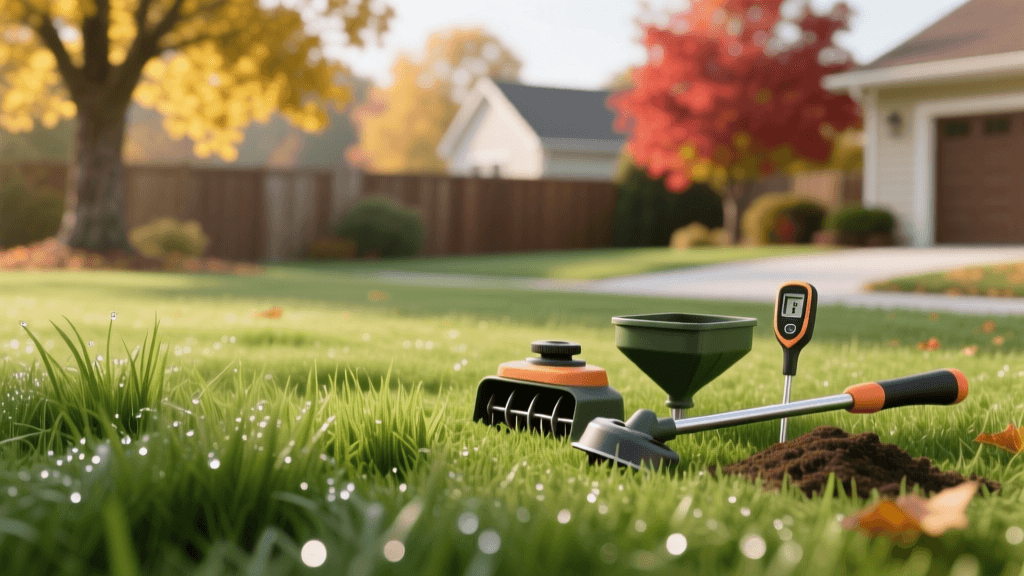
Fall Overseeding and Aeration Calendar for Cool-Season Lawns
Why Timing is Everything for Cool-Season Grasses
When it comes to cultivating a lush, dense, and resilient lawn, timing is not just a suggestion; it is the fundamental pillar of success. For homeowners with cool-season grasses—such as Kentucky Bluegrass, Tall Fescue, Perennial Ryegrass, and Fine Fescue—the autumn months represent the most critical window for lawn renovation. While spring planting is a common practice among novice gardeners, agronomic science overwhelmingly points to fall as the superior season for core aeration and overseeding.
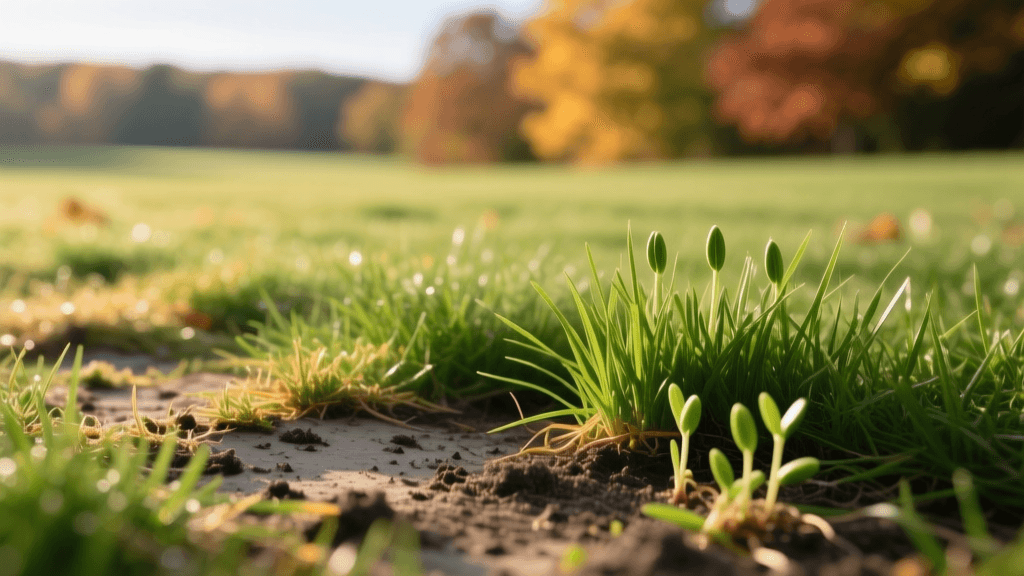
According to the turfgrass experts at NC State's TurfFiles, cool-season grasses experience their most vigorous root and rhizome development when air temperatures range between 60°F and 75°F, and soil temperatures hover between 50°F and 65°F. During the fall, the soil retains residual warmth from the summer, which accelerates seed germination, while the cooling air temperatures reduce heat stress on young seedlings. Furthermore, fall planting drastically reduces competition from aggressive summer annual weeds like crabgrass, which naturally die off as frost approaches.
The Ideal Soil Temperature Window
Before you rent an aerator or purchase a single bag of seed, you must verify your soil temperature. Air temperature can be deceiving; a crisp autumn morning might feel cold, but the ground may still be perfectly primed for germination. Conversely, a late-season warm spell might trick you into thinking the soil is ready when it has actually cooled below the germination threshold.
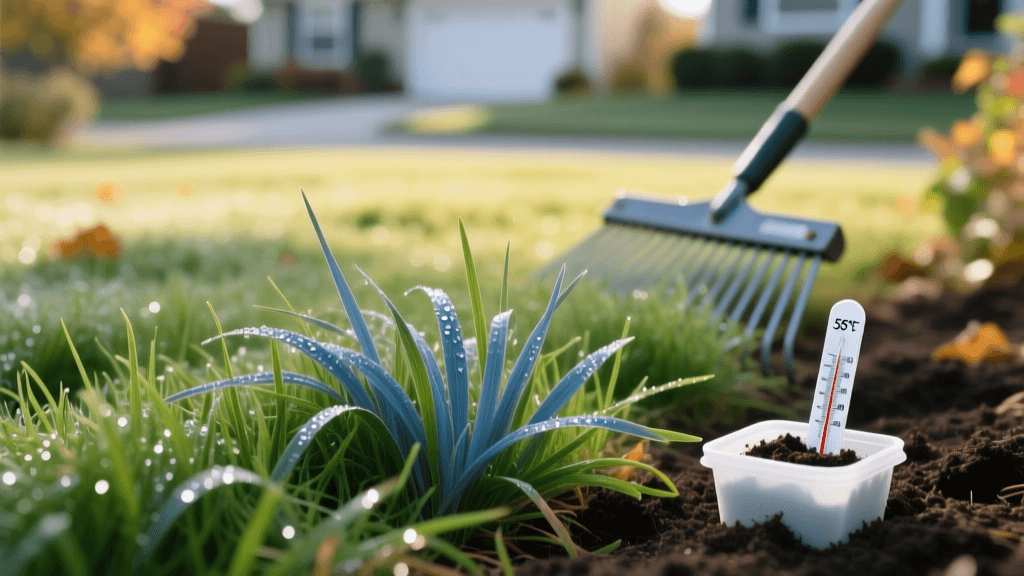
Invest in a basic soil probe thermometer. Insert it about two inches into the soil in a shaded area of your lawn to get an accurate baseline reading. Your target window is a consistent soil temperature between 50°F and 65°F. Once the soil temperature drops below 45°F, cool-season grass seeds will remain dormant, leaving them vulnerable to rot, washout, or being eaten by foraging birds over the winter.
Step-by-Step Fall Aeration and Overseeding Calendar
To maximize your results, follow this structured seasonal calendar. This timeline assumes a typical Northern or Transitional Zone climate (USDA Zones 4-7). Adjust slightly earlier for northern regions and slightly later for transitional zones.
| Timeframe | Target Soil Temp | Primary Action | Materials / Tools | Estimated Cost (per 5,000 sq ft) |
|---|---|---|---|---|
| Mid-to-Late August | 70°F - 75°F | Soil Testing & Weed Control | Soil test kit, selective herbicide | $35 - $60 |
| Early September | 60°F - 68°F | Core Aeration & Prep | Core aerator rental, lawn mower | $90 - $120 |
| Mid-September | 55°F - 65°F | Overseeding & Fertilizing | Grass seed, starter fertilizer | $80 - $150 |
| October | 45°F - 55°F | Irrigation & First Mowing | Sprinkler system, sharp mower blades | $10 - $30 (Water costs) |
| November | Below 45°F | Winterization & Dormancy | Winterizer fertilizer (optional) | $40 - $60 |
Late Summer: The Preparation Phase
Preparation begins in August, roughly four to six weeks before your anticipated seeding date. Start by conducting a comprehensive soil test. You can purchase mail-in soil test kits from your local university extension office or use commercial options like the Luster Leaf Rapitest. Your goal is to achieve a soil pH between 6.0 and 7.0. If your soil is too acidic, apply pelletized lime now; if it is too alkaline, apply elemental sulfur. These amendments take weeks to alter soil chemistry, making late summer the perfect time to apply them.
This is also the time to address broadleaf weeds. However, exercise extreme caution: most selective broadleaf herbicides require a waiting period of three to four weeks before you can safely sow new grass seed. Always read the product label for the specific 'reseeding interval' to prevent chemical residues from inhibiting your new seed's germination.
Early Fall: Aeration and Seeding
As September arrives and soil temperatures dip into the ideal 60°F range, it is time for mechanical intervention. Core aeration is non-negotiable for compacted lawns. The University of Minnesota Extension emphasizes that removing small plugs of soil (typically 2 to 3 inches deep and spaced 2 to 3 inches apart) is the most effective way to alleviate compaction, improve water infiltration, and create direct seed-to-soil contact.
Rent a walk-behind core aerator from a local hardware store. Mow your existing lawn slightly shorter than usual (about 1.5 to 2 inches) to ensure the aerator tines can penetrate the soil easily and to allow sunlight to reach the new seedlings. Run the aerator over the lawn in two perpendicular directions to maximize the number of holes. Leave the extracted soil plugs on the lawn; they will break down naturally with rainfall and irrigation, returning valuable microorganisms and topsoil to the surface.
Mid-to-Late Fall: Establishment and Winterization
Immediately following aeration, broadcast your grass seed. Utilize a rotary spreader for even distribution, splitting your seed quantity in half and applying it in a crisscross pattern to avoid striping. Follow this up with an application of a high-phosphorus starter fertilizer (such as a 10-18-10 N-P-K ratio). Phosphorus is vital for rapid root development in young seedlings. Lightly rake the area or drag a piece of chain-link fence over the lawn to work the seed into the aeration holes, ensuring it is protected from wind and birds.
As October progresses and the new grass reaches about 3 inches in height, perform your first mowing. Ensure your mower blade is razor-sharp to prevent tearing the tender young grass. Gradually reduce your watering frequency while increasing the duration to encourage deep root growth before the first hard frost.
Seed Selection and Application Rates
Choosing the right seed cultivar and applying it at the correct rate is crucial for avoiding overcrowding, which can lead to fungal diseases like damping-off. Here are the standard overseeding application rates for common cool-season grasses:
- Tall Fescue: 6 to 8 lbs per 1,000 square feet. Tall fescue is highly drought-tolerant and wear-resistant, making it ideal for high-traffic family lawns.
- Kentucky Bluegrass (KBG): 1 to 2 lbs per 1,000 square feet. KBG seeds are much smaller and spread aggressively via underground rhizomes, requiring a lower seeding rate.
- Perennial Ryegrass: 4 to 6 lbs per 1,000 square feet. Often mixed with KBG, ryegrass germinates in as little as 5 to 7 days, providing rapid erosion control and a quick green-up.
- Fine Fescue: 3 to 5 lbs per 1,000 square feet. Best suited for heavily shaded areas where other grasses struggle to survive.
Always purchase premium, certified seed with a germination rate of 85% or higher and a weed seed content of less than 0.1%. Avoid cheap 'contractor grade' mixes, which are often filled with annual ryegrass and agricultural weed seeds.
Post-Planting Irrigation and Maintenance Schedule
Water is the catalyst for germination, but improper watering is the leading cause of overseeding failure. The golden rule for new seed is: keep the top half-inch of soil consistently moist, but never waterlogged.
- Weeks 1 & 2 (Germination Phase): Water lightly 2 to 3 times per day for 5 to 10 minutes per zone. The goal is to prevent the seed from drying out. If the seed sprouts a tiny root and then dries out, it will die instantly.
- Weeks 3 & 4 (Establishment Phase): As seedlings emerge and reach an inch tall, reduce watering to once per day, but increase the duration to 15 to 20 minutes. This encourages roots to stretch deeper into the aeration holes.
- Week 5 and Beyond (Maturation Phase): Transition to a standard deep-and-infrequent watering schedule. Aim for 1 to 1.5 inches of water per week, delivered in one or two heavy soakings to build drought tolerance.
Common Timing Mistakes to Avoid
Even with the best equipment and premium seed, poor timing can derail your efforts. Avoid these frequent pitfalls:
- Seeding Too Late: Planting in late October or November in northern climates means the grass will not have enough time to develop a robust root system before winter dormancy. The result is severe winter-kill and a patchy lawn the following spring.
- Applying Pre-Emergent Herbicides: Pre-emergent crabgrass preventers create a chemical barrier in the soil that stops all seeds from germinating. Never apply a pre-emergent in the same season you plan to overseed.
- Ignoring the Weather Forecast: Avoid aerating and seeding immediately before a forecasted heavy downpour. Torrential rain will wash your expensive seed into storm drains or pile it up in low spots, ruining your uniform distribution.
By respecting the biological rhythms of cool-season grasses and adhering to this precise fall calendar, you will transform a thin, tired lawn into a thick, vibrant carpet of green that is primed to survive the winter and explode with health the following spring.