Lawn Care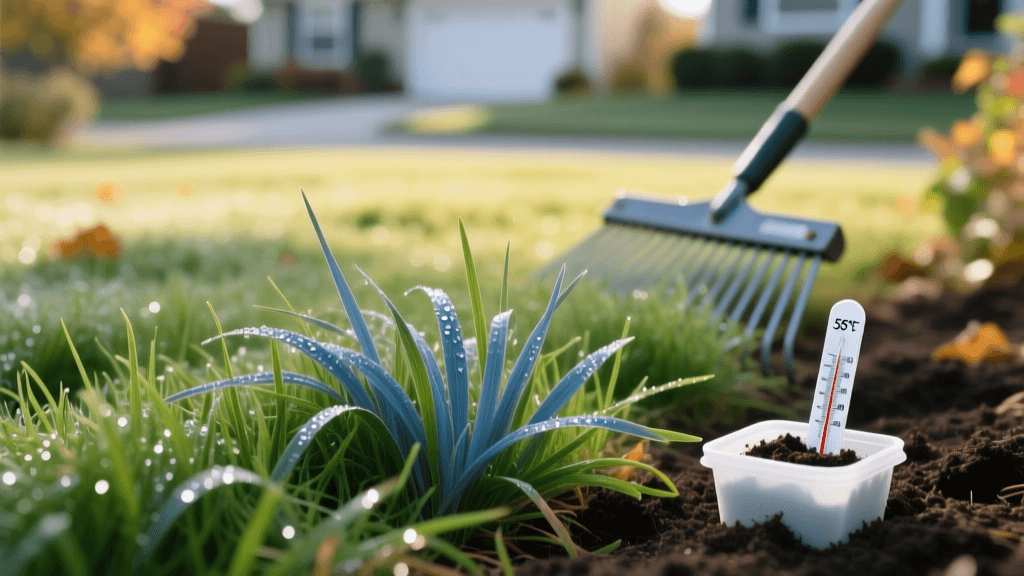
Fall Overseeding Guide: Best Time to Plant Cool-Season Grass
The Secret to a Lush Lawn Lies in Autumn Timing
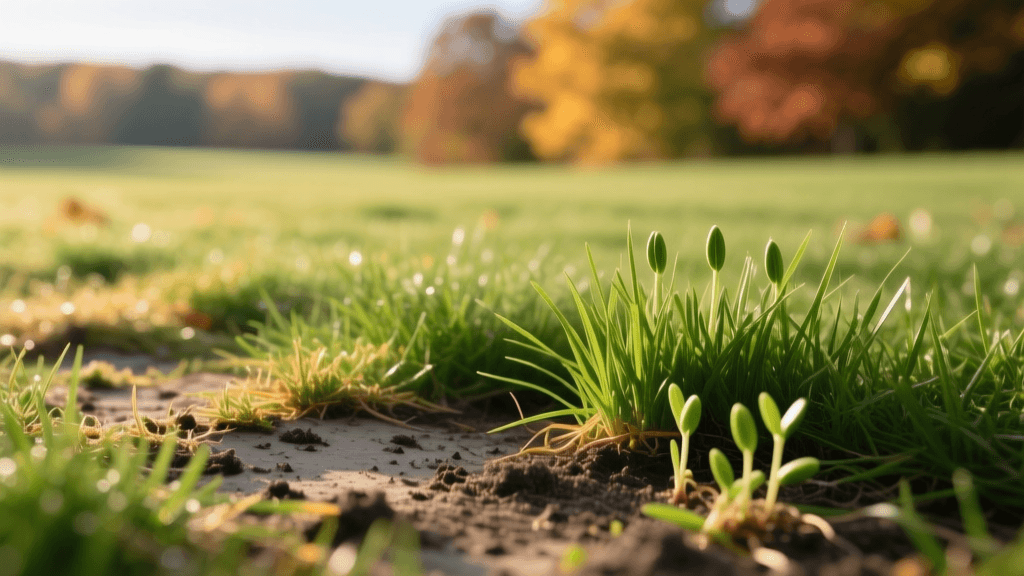
When most homeowners think about planting grass seed, their minds immediately jump to the spring. However, for cool-season grasses like Kentucky bluegrass, tall fescue, and perennial ryegrass, spring is actually a suboptimal time for establishing new turf. The true secret to a thick, vibrant, and weed-resistant lawn lies in mastering the seasonal timing of fall overseeding. By aligning your planting schedule with the natural biological rhythms of cool-season grasses, you can achieve germination rates and root development that spring plantings simply cannot match.
Cool-season grasses originate from temperate climates and experience two distinct growth peaks during the year: one in the spring and one in the fall. While spring offers moderate temperatures, it also brings intense weed competition and the looming threat of summer heat stress. Fall, on the other hand, provides a unique combination of warm soil and cooling air temperatures, creating the ultimate incubator for seed germination and deep root establishment.
Why Fall is the Prime Time for Overseeding
The primary advantage of fall overseeding is the soil-to-air temperature dynamic. Throughout the summer, the ground absorbs and retains heat. By late August and early September, the soil is still wonderfully warm, which acts as a catalyst for rapid seed germination and aggressive root growth. Simultaneously, the autumn air temperatures begin to drop into the 60s and 70s. This cooler air reduces the rate of evaporation, meaning you spend less time watering, and it prevents the tender new seedlings from suffering the heat scorch that often kills spring-planted grass when early summer heatwaves hit.
Furthermore, fall planting drastically reduces weed competition. Most aggressive annual weeds, such as crabgrass, are nearing the end of their life cycles in early autumn and will die off with the first hard frost. By overseeding in the fall, your new grass can establish a dense canopy that naturally chokes out any lingering weeds and prevents new weed seeds from finding bare soil to germinate in the following spring.
According to the University of Minnesota Extension, late summer to early fall is the optimal window for seeding cool-season grasses, allowing roots to deeply establish before winter dormancy and giving the turf a massive head start for the following spring.
The Science of Soil Temperature and Seed Germination
One of the most common mistakes DIY lawn care enthusiasts make is planting by the calendar rather than by the soil thermometer. While the calendar might say "September," an unseasonably cold or hot snap can throw off your results. To achieve maximum germination, you must monitor soil temperature.
For cool-season grasses, the ideal soil temperature range for germination is between 50°F and 65°F (10°C to 18°C) at a depth of two inches. You can measure this accurately using a simple soil probe thermometer inserted into the ground in the morning, before the sun has had a chance to artificially heat the surface layer. When your local soil temperatures consistently fall into this sweet spot, it is time to put seed in the ground.
Cool-Season Grass Seed Comparison Chart
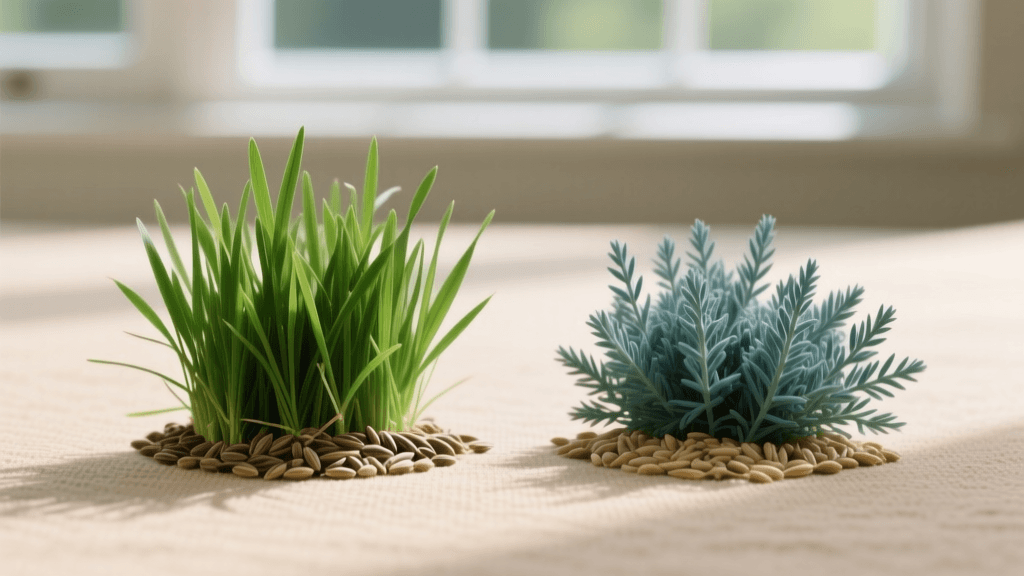
Not all cool-season grasses behave identically. Choosing the right seed for your specific microclimate, sunlight exposure, and foot traffic needs is critical. Below is a comparison chart to help you select the right cultivar for your fall overseeding project.
| Grass Type | Germination Time | Ideal Soil Temp | Best Use Case |
|---|---|---|---|
| Tall Fescue | 7 - 12 Days | 50°F - 65°F | High drought tolerance, deep shade to full sun, heavy foot traffic. |
| Kentucky Bluegrass | 14 - 30 Days | 50°F - 65°F | Premium aesthetic, full sun to light shade, spreads via rhizomes to heal damage. |
| Perennial Ryegrass | 5 - 10 Days | 50°F - 65°F | Rapid germination for erosion control, high-traffic areas, and winter color. |
| Fine Fescue | 7 - 14 Days | 45°F - 60°F | Deep shade tolerance, low soil fertility areas, low-maintenance zones. |
Step-by-Step Fall Overseeding Schedule
Success in lawn care relies heavily on preparation. Follow this chronological schedule to ensure your fall overseeding project yields a thick, carpet-like lawn.
Late Summer Preparation (6-8 Weeks Before Seeding)
Your preparation begins in mid-summer. If you have been applying pre-emergent herbicides to control crabgrass, you must stop applications at least 6 to 8 weeks before you plan to overseed. Pre-emergents do not distinguish between weed seeds and grass seeds; they will inhibit the germination of your expensive turf seed. Conduct a comprehensive soil test during this window. Cool-season grasses thrive in a soil pH between 6.0 and 7.0. If your soil is too acidic, apply pelletized lime now so it has time to react and alter the soil chemistry before the seeds go down.
Core Aeration and Dethatching (2 Weeks Before)
Seed-to-soil contact is the single most important factor in germination. If seed lands on a bed of dead thatch or compacted dirt, it will dry out and die. Two weeks before your target seeding date, mow your existing lawn very short (around 1.5 inches) and bag the clippings. Next, perform core aeration. A core aerator pulls small plugs of soil from the ground, relieving compaction and creating thousands of tiny micro-trenches for water, oxygen, and grass seed to settle into. If your lawn has a thatch layer thicker than half an inch, run a power dethatcher over the area before aerating.
Seeding Day and Fertilizer Application
On seeding day, ensure the soil is slightly moist but not muddy. Use a broadcast or drop spreader to apply your seed. For even coverage, apply half of the recommended seed rate in a north-south direction, and the other half in an east-west direction.
Immediately after seeding, apply a high-quality starter fertilizer. According to guidelines published by the University of Missouri Extension, starter fertilizers are crucial for new seedlings because they contain higher levels of phosphorus, which stimulates rapid root development. Look for an N-P-K ratio where the middle number (Phosphorus) is elevated, such as 10-18-10, unless your soil test indicates phosphorus is already sufficient. If your soil is high in phosphorus, opt for a balanced starter fertilizer to comply with local environmental runoff regulations.
Post-Planting Maintenance: The Watering Regimen
The first 14 to 21 days after seeding are the most critical. Grass seed must remain consistently moist to germinate; if it dries out even once during the sprouting phase, the seed will die. You must commit to a strict, light, and frequent watering schedule.
- Weeks 1-2: Water the lawn 2 to 3 times per day for about 5 to 10 minutes per session. The goal is to keep the top quarter-inch of soil damp without creating puddles that will wash the seeds away.
- Weeks 3-4: As seedlings emerge and establish shallow roots, reduce the frequency to once a day, but increase the duration to 15-20 minutes to encourage roots to chase the moisture deeper into the soil.
- Week 5 and Beyond: Transition to a standard deep-and-infrequent watering schedule, applying about 1 inch of water per week across 1 or 2 sessions.
First Mow and Winterizing
Resist the urge to mow your new grass too early. Wait until the new seedlings reach a height of 3 to 3.5 inches before giving them their first haircut. Ensure your mower blade is razor-sharp; a dull blade will rip the tender young grass out of the soil by the roots. Never remove more than the top third of the grass blade during a single mowing session.
As late fall approaches (typically late October to November, depending on your hardiness zone), the grass will stop growing vertically and focus entirely on storing carbohydrates in its root system for winter. This is the time to apply a winterizer fertilizer, which is typically high in potassium and nitrogen. This final seasonal feeding fortifies the cellular walls of the grass, protecting it from freezing temperatures, snow mold, and desiccation, ensuring your lawn wakes up incredibly thick and green the moment spring arrives.
Common Mistakes to Avoid
Even with perfect timing, a few common errors can derail your fall overseeding efforts. Avoid using cheap, generic seed blends from big-box stores. These often contain high percentages of weed seeds and annual ryegrass that will die off after one season. Always read the seed tag and look for a germination rate of 90% or higher and a weed seed content of less than 0.1%. Additionally, avoid seeding too late in the season. If you plant after soil temperatures drop below 45°F, the seeds may experience "frost heave," where the freezing and thawing of the soil literally pushes the unestablished seeds out of the ground to die on the surface. Stick to the late summer and early fall window, trust your soil thermometer, and let the natural autumn climate do the heavy lifting for your lawn.