Lawn Care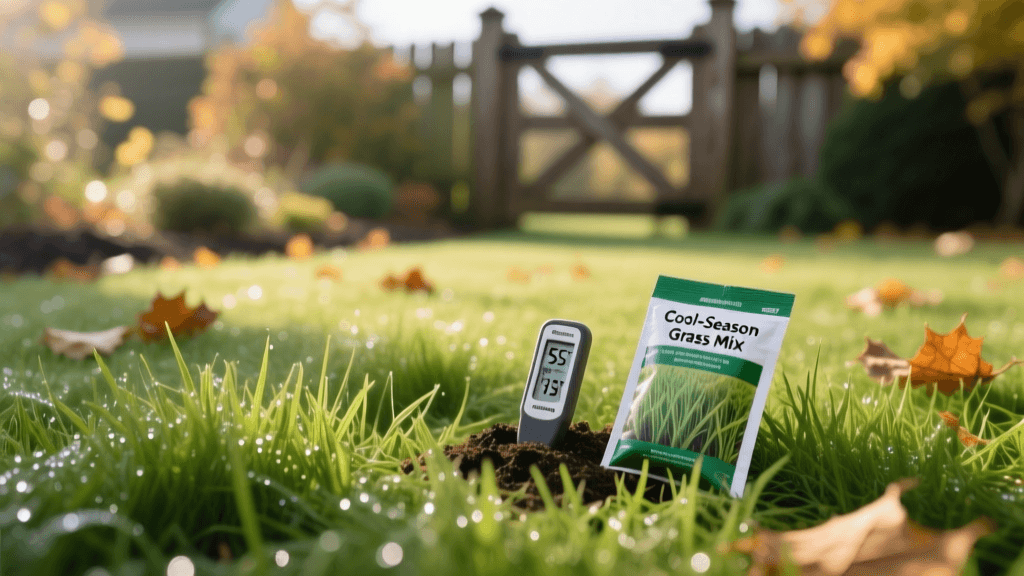
The Ultimate Fall Overseeding Schedule for Cool-Season Lawns
Why Fall is the Undisputed Champion for Cool-Season Lawns
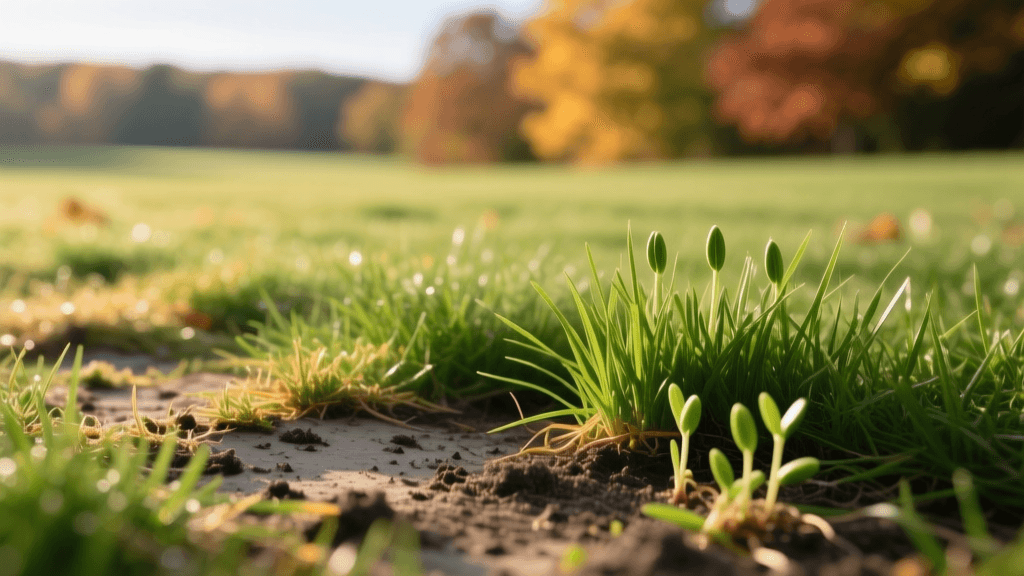
When it comes to planting or renovating cool-season grasses like Kentucky Bluegrass, Tall Fescue, Perennial Ryegrass, and Fine Fescue, timing is everything. While many homeowners are tempted to plant in the spring when the weather first warms up, turfgrass scientists universally agree that early fall is the absolute best time for seeding and overseeding. The University of Minnesota Extension emphasizes that late summer to early fall provides the perfect trifecta for seed germination: warm soil, cool air temperatures, and significantly reduced competition from aggressive summer weeds like crabgrass.
During the fall months, the soil has absorbed heat throughout the entire summer, creating a warm seedbed that encourages rapid root development. Meanwhile, the cooling autumn air prevents the tender new grass blades from suffering heat stress. Furthermore, the natural increase in autumn rainfall helps maintain the consistent moisture levels required for germination. By following a strict seasonal timing and planting schedule, you can establish a deep, resilient root system before the ground freezes, ensuring your lawn emerges thick, green, and vigorous the following spring.
The Science of Seasonal Timing: Soil vs. Air Temperature
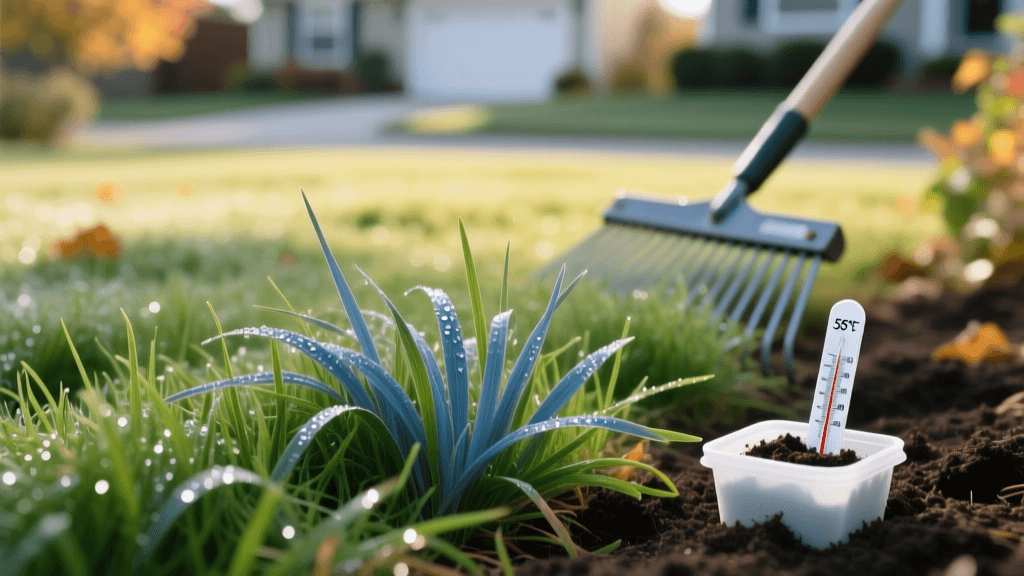
The most common mistake homeowners make is relying on the calendar or air temperature to dictate their planting schedule. Cool-season grass seeds do not care about the air temperature; they care about the soil temperature. For optimal germination, cool-season grasses require a soil temperature between 50°F and 65°F at a depth of two inches. This soil temperature range typically corresponds to daytime air temperatures between 60°F and 75°F.
Pro Tip: Invest in a simple, inexpensive soil thermometer. Insert it two inches into the soil in a shaded area of your lawn in the early morning. Once the soil consistently reads below 70°F and above 50°F, your planting window is officially open.
According to Purdue University Turfgrass Science, planting too early in the summer exposes seeds to extreme heat and drought stress, while planting too late in the fall prevents the seedlings from establishing enough root mass to survive the winter freeze. You must aim for the 'Goldilocks zone' where the soil is still warm enough to trigger germination, but the impending winter is far enough away to allow for 6 to 8 weeks of active growth.
Regional Fall Overseeding Schedule
Because climate zones vary drastically across the country, your specific planting window will depend on your geographic location. Use the table below to identify your regional overseeding schedule.
| Region | States Included | Ideal Overseeding Window | Soil Temp Target |
|---|---|---|---|
| Northern Tier | MN, WI, MI, NY, ME | August 15 - September 15 | 55°F - 65°F |
| Transition Zone | MO, IL, OH, PA, VA | September 1 - September 30 | 50°F - 65°F |
| Upper South | TN, NC, AR, GA (North) | September 15 - October 15 | 50°F - 60°F |
Step-by-Step Fall Planting Action Plan
To achieve professional-grade results, you must prepare the soil well before the seed ever touches the ground. Follow this chronological schedule to ensure maximum seed-to-soil contact and nutrient availability.
Phase 1: Six Weeks Before Planting (Soil Testing)
Never guess your soil's nutrient profile. Order a soil test from your local university extension office or a private lab like Logan Labs. The test will cost between $15 and $30 and will tell you exactly what your soil lacks. If your soil pH is below 6.0, apply pelletized lime at the rate recommended by your test results. It takes weeks for lime to alter soil pH, so doing this early is critical. If phosphorus is low, you will need to select a starter fertilizer later in the process.
Phase 2: Two Weeks Before Planting (Mowing and Aeration)
Lower your mower deck to 1.5 inches and bag the clippings. Scalping the lawn allows sunlight to reach the soil and reduces competition from existing turf. Next, perform core aeration. Core aeration pulls 2-to-3-inch plugs of soil from the ground, alleviating compaction and creating perfect little pockets for your new seeds to fall into. You can rent a walk-behind core aerator from a local hardware store for about $80 to $100 per day, or hire a professional landscaping service for $150 to $250 depending on your lawn size.
Phase 3: Day of Planting (Seeding and Fertilizing)
On the day you plant, ensure the soil is slightly moist but not muddy. Use a broadcast spreader to apply your grass seed. For overseeding an existing lawn, apply Tall Fescue at a rate of 4 to 5 lbs per 1,000 square feet, or Kentucky Bluegrass at 1 to 2 lbs per 1,000 square feet. If you are planting a bare lawn, double these rates.
Immediately after seeding, apply a high-quality starter fertilizer. Starter fertilizers are rich in phosphorus, which is essential for early root development. Excellent product options include Scotts Turf Builder Starter Food for New Grass (approx. $25 for 5,000 sq ft coverage) or the organic alternative Milorganite (approx. $15 for 2,500 sq ft coverage). Apply the fertilizer using a spreader on a perpendicular pattern to your seeding pass to ensure even distribution.
Phase 4: Days 1 to 21 (The Critical Watering Schedule)
The University of California Statewide Integrated Pest Management Program stresses that maintaining consistent, shallow moisture is the single most important factor in seed germination. Grass seed must never be allowed to dry out during the first three weeks.
- Weeks 1 & 2: Water the lawn lightly 3 to 4 times per day for 5 to 10 minutes per zone. The goal is to keep the top half-inch of soil constantly damp without creating puddles or washing the seeds away.
- Week 3: As seeds begin to sprout and establish roots, reduce watering frequency to once per day, but increase the duration to 15 to 20 minutes to encourage deeper root growth.
- Week 4 and Beyond: Transition to a standard deep-and-infrequent watering schedule, providing about 1 inch of water per week, including rainfall.
Seed Selection and Cost Breakdown
Choosing the right seed blend is vital for long-term lawn health. Avoid cheap, generic seed mixes found at big-box stores, as they often contain high percentages of annual ryegrass or weed seeds. Instead, invest in premium, zero-weed-seed blends. A highly rated option is Jonathan Green Black Beauty Ultra, which contains a mix of Tall Fescue, Kentucky Bluegrass, and Perennial Ryegrass, costing roughly $60 to $90 for a 50 lb bag.
Here is a realistic cost breakdown for overseeding a standard 5,000 square foot lawn:
- Soil Test: $20
- Core Aeration (Rental): $90
- Premium Seed (15 lbs for overseeding): $25
- Starter Fertilizer: $25
- Total Estimated Cost: $160
Post-Germination Mowing and Winter Prep
Once the new grass reaches a height of 3 to 3.5 inches, it is time for the first mow. Ensure your mower blades are razor-sharp; dull blades will tear the tender new seedlings right out of the soil. Never remove more than the top third of the grass blade in a single mowing session. Continue mowing through the late fall until the grass stops growing. For the final mow of the season in November, lower the deck slightly to about 2 inches to prevent the grass from matting down under winter snow, which can lead to snow mold diseases.
By adhering strictly to this seasonal timing and planting schedule, you leverage the natural biological rhythms of cool-season grasses. The result is a dense, weed-resistant turf that will be the envy of the neighborhood when spring finally arrives.