Home & Garden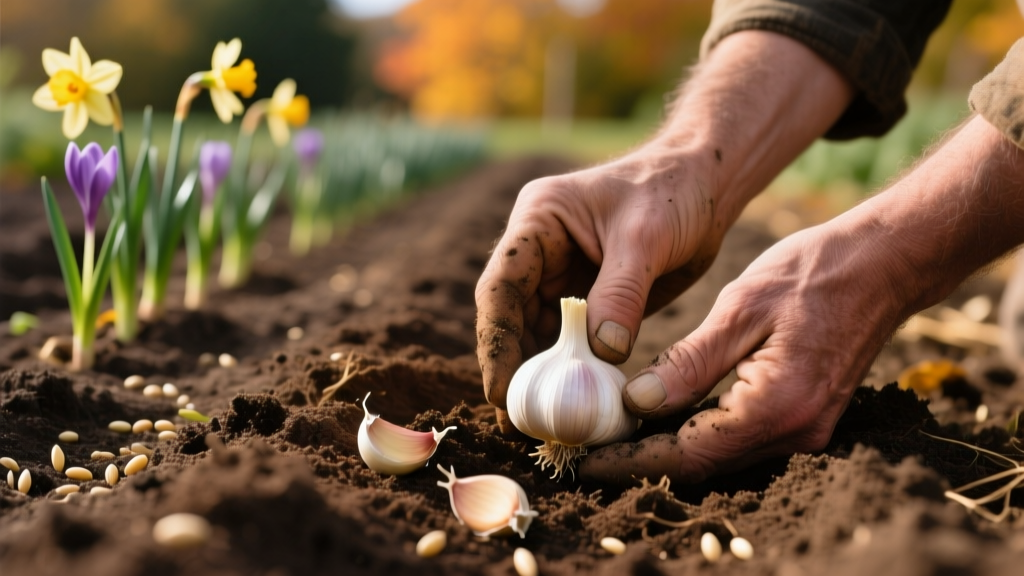
Fall Planting Schedule: Garlic, Bulbs, And Cover Crops
Robert HayesPublished
Autumn is often mistakenly viewed as the end of the gardening year, a time to pull up spent tomato vines, clear out raised beds, and put the landscape to sleep. However, for the strategic home gardener, fall is actually the beginning of the next growing season. Bridging the gap between outdoor seasonal maintenance and future garden-to-table harvests requires a deep understanding of seasonal timing and planting schedules. By leveraging the unique environmental conditions of autumn, you can establish robust root systems, improve soil biology, and guarantee a vibrant spring landscape. This comprehensive guide will walk you through the precise timing, soil preparation, and actionable steps required to master your fall planting schedule for garlic, spring-blooming bulbs, and winter cover crops.
The Science of Seasonal Timing
Why plant in the fall when spring is the traditional season for gardening? The answer lies in soil thermodynamics and plant physiology. In early autumn, the air temperature begins to drop, which reduces the transpiration rate of plants and minimizes heat stress. Meanwhile, the soil retains the warmth accumulated over the long summer months. When soil temperatures hover between 50°F and 65°F, root growth is highly active even if top growth has completely ceased. This thermal lag allows fall-planted crops and bulbs to establish extensive, resilient root networks before the ground freezes solid. When spring arrives, these plants have a massive head start, allowing them to capture early spring moisture and nutrients before weeds and pests become active.
Garlic: The Ultimate Garden-to-Table Fall Crop
Garlic is the undisputed king of the fall garden. Unlike most vegetables that demand constant summer maintenance, garlic is planted in the autumn, overwinters in the soil, and is harvested the following summer. According to the University of Minnesota Extension, the ideal time to plant garlic is two to four weeks before the ground freezes hard. This timing allows the cloves to develop a strong root system and sometimes push out a small green shoot, without exhausting their energy reserves before winter.
Hardneck vs. Softneck Selection
Hardneck varieties (like 'Music' or 'German Red') produce a woody central stalk and edible scapes in early summer, thriving in regions with harsh, freezing winters. Softneck varieties (like 'Silverskin' or 'Inchelium Red') lack this stalk, braid beautifully for indoor kitchen decor, and store longer, but they prefer milder winter climates.
Planting and Mulching Protocol
Break your seed garlic heads into individual cloves immediately before planting, keeping the papery husk intact. Plant each clove pointy-side up, two inches deep and six inches apart in rows spaced twelve inches apart. After planting, water the bed deeply to settle the soil. Once the ground temperature drops near freezing, apply a thick four-to-six-inch layer of weed-free straw mulch. This insulation prevents the soil from heaving during freeze-thaw cycles, which can dislodge the young roots.
Spring-Blooming Bulbs Schedule
To achieve a spectacular spring landscape that bridges outdoor aesthetics with indoor floral arrangements, fall planting is non-negotiable. Spring-blooming bulbs require a prolonged period of cold dormancy, known as vernalization, to break their internal growth inhibitors and initiate flower bud development.
Timing and Chill Hours
Daffodils, tulips, hyacinths, and alliums must be planted when soil temperatures have cooled to approximately 55°F, usually about six to eight weeks before the ground freezes. If you live in USDA Hardiness Zones 8 through 10, where winters are too mild to provide natural chilling, you must pre-chill your bulbs in a refrigerator (away from ethylene-producing fruits like apples) for 12 to 16 weeks before planting them in late winter. The University of Missouri Extension emphasizes that proper planting depth is critical for bulb survival and bloom vigor. The general rule of thumb is to plant the bulb at a depth equal to three times its vertical height. For example, a two-inch tulip bulb should be planted with its base sitting six inches below the soil surface.
Cover Crops for Winter Soil Protection
Leaving garden beds bare over the winter invites soil erosion, nutrient leaching, and weed infiltration. Planting a fall cover crop acts as a living mulch, bridging the gap between seasonal outdoor maintenance and long-term soil health. The Sustainable Agriculture Research and Education (SARE) program highlights that cover crops scavenge leftover nitrogen, suppress winter weeds, and add vital organic matter to the soil when terminated in the spring.
Selecting Your Cover Crop
- Winter Rye: The most cold-hardy option, capable of germinating in temperatures as low as 34°F. It produces massive root biomass that breaks up compacted clay soils.
- Hairy Vetch: A legume that fixes atmospheric nitrogen into the soil. It is often mixed with winter rye to provide a balanced carbon-to-nitrogen ratio.
- Crimson Clover: Excellent for early fall planting, it establishes quickly, suppresses weeds, and produces stunning red blooms in early spring that attract native pollinators.
Seeding and Termination
Broadcast your cover crop seeds evenly over freshly raked soil and lightly rake them in to ensure good seed-to-soil contact. Water gently. In the spring, you must terminate the cover crop before it goes to seed. Use a string trimmer or a scythe to cut the crop down to the soil surface, then tarp the bed for two weeks to decompose the biomass before planting your spring garden-to-table vegetables.
Smart Irrigation Adjustments for Fall
As you establish your fall plantings, it is crucial to adjust your smart irrigation controllers. While autumn brings cooler air, newly planted garlic and bulbs still require consistent moisture to trigger root growth. Utilize your smart home irrigation system's seasonal shift or "weather intelligence" features to automatically scale back watering frequency while maintaining deep, infrequent soaks. Ensure soil moisture sensors are placed at a six-inch depth to accurately monitor the root zone of your newly planted bulbs and cover crops, preventing both desiccation and root rot as seasonal rainfall patterns shift.
Comprehensive Fall Planting Data Table
| Crop / Bulb | Target Soil Temp | Planting Depth | Spacing | Harvest / Bloom Time |
|---|---|---|---|---|
| Hardneck Garlic | 50°F - 60°F | 2 inches | 6 inches apart | Mid-Summer (July) |
| Softneck Garlic | 55°F - 65°F | 1.5 inches | 6 inches apart | Late Spring (June) |
| Daffodils | 50°F - 55°F | 6 inches | 4 inches apart | Early to Mid-Spring |
| Tulips | 45°F - 55°F | 6 - 8 inches | 5 inches apart | Mid to Late Spring |
| Winter Rye | 40°F - 60°F | 0.5 inches | Broadcast (3 lbs/1000 sq ft) | Terminate in Early Spring |
| Crimson Clover | 55°F - 70°F | 0.25 inches | Broadcast (0.5 lbs/1000 sq ft) | Terminate in Early Spring |
Soil Preparation, Amendments, and Estimated Costs
Success in fall planting relies heavily on soil preparation. Before planting garlic or bulbs, conduct a soil test to determine your pH and nutrient levels. Garlic prefers a slightly acidic to neutral pH (6.0 to 7.0) and requires high phosphorus for root development. Incorporate a slow-release organic amendment, such as Espoma Organic Bone Meal (approximately $15 for a 4-pound bag), at a rate of five pounds per 100 square feet. Mix in a two-inch layer of premium compost to improve drainage and microbial activity. For a standard 4x8-foot raised bed, budget approximately $40 for bulk compost, $15 for bone meal, and $10 for a bale of weed-free straw mulch. This modest investment of $65 ensures a robust harvest and vibrant spring blooms, yielding a high return on investment for your garden-to-table lifestyle and outdoor aesthetic.
Conclusion
Mastering the seasonal timing of fall planting transforms your garden from a dormant winter landscape into a powerhouse of spring productivity. By adhering to precise planting schedules for garlic, spring bulbs, and cover crops, you protect your soil, reduce spring workload, and set the stage for a thriving, beautiful, and delicious home garden. Grab your spade, check the soil thermometer, and start planting.
