Home & Garden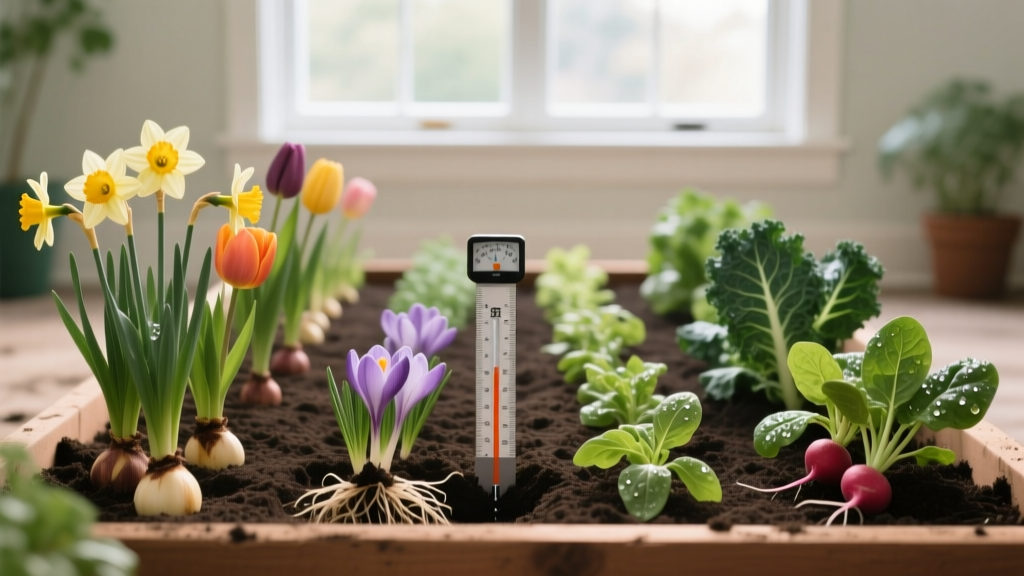
Fall Planting Schedule: Spring Bulbs and Cool-Season Crops
Emily WatsonPublished
The Hidden Potential of the Autumn Garden
As the vibrant hues of summer fade and the air turns crisp, many homeowners mistakenly believe the gardening season has come to a close. However, for the strategic home gardener, fall is actually the most critical season for setting the stage for next year's outdoor living spaces and garden-to-table harvests. Mastering your fall planting schedule is not just about putting seeds in the dirt; it is about understanding soil thermodynamics, vernalization requirements, and precise seasonal timing. By bridging the gap between late-season landscape maintenance and early-spring rewards, you can cultivate a stunning floral display and a robust harvest of cool-season vegetables.
The transition from late summer to mid-autumn offers a unique microclimate advantage. While ambient air temperatures begin to drop, the soil retains the accumulated heat of the summer months. This residual warmth encourages vigorous root development without the stress of top-growth heat exhaustion. Whether you are preparing a perennial border to complement your outdoor patio furniture or establishing a winter vegetable bed for fresh garden-to-table cooking, timing your planting to specific soil temperature thresholds is the ultimate key to success.
The Science of Fall Planting: Soil Temperature Matters
Amateur gardeners often rely on the calendar or the first frost date to dictate their planting schedules. Professional landscapers and agronomists, however, rely on soil temperature. The USDA Plant Hardiness Zone Map provides an excellent baseline for understanding your regional climate extremes, but it does not account for the day-to-day thermal dynamics of your specific garden beds. For spring-blooming bulbs, the target soil temperature for planting is consistently below 60°F (15°C) at a depth of six inches. Planting bulbs in soil that is too warm can lead to premature sprouting, fungal diseases, and bulb rot.
Conversely, cool-season vegetables like garlic and overwintering spinach require a delicate balance. They need soil warm enough to establish a foundational root system before the ground freezes solid, but cool enough to prevent excessive, vulnerable leafy growth. According to research from the University of Minnesota Extension, planting spring-flowering bulbs too early in warm soil can trigger premature emergence, leaving the tender shoots susceptible to winter kill. Therefore, investing in a digital soil thermometer or a smart-home integrated soil probe is one of the most valuable seasonal home maintenance upgrades you can make.
Spring-Blooming Bulbs: Timing and Depth Chart
Spring bulbs require a prolonged period of cold dormancy, known as vernalization, to break their internal growth inhibitors and initiate flowering. This process requires 12 to 16 weeks of temperatures consistently below 40°F (4°C). When designing your landscape to enhance your outdoor living areas, consider grouping bulbs in sweeping drifts rather than isolated rows to create a naturalized, high-impact visual display that pairs beautifully with early-season outdoor decor.
Below is a comprehensive planting chart detailing the specific requirements for the most popular spring-blooming bulbs. Always measure planting depth from the base of the bulb (the root plate) to the soil surface, and ensure the soil is amended with well-rotted compost to improve drainage.
| Bulb Variety | Target Soil Temp | Planting Depth | Spacing | Chilling Requirement |
|---|---|---|---|---|
| Daffodil (Narcissus) | Below 60°F | 6 - 8 inches | 4 - 6 inches | 12 - 14 weeks |
| Tulip (Darwin Hybrid) | Below 55°F | 8 - 10 inches | 5 - 6 inches | 14 - 16 weeks |
| Allium (Giant) | Below 60°F | 8 - 12 inches | 8 - 12 inches | 12 - 14 weeks |
| Crocus (Snow) | Below 65°F | 3 - 4 inches | 2 - 3 inches | 12 - 15 weeks |
| Hyacinth (Dutch) | Below 55°F | 6 - 8 inches | 4 - 6 inches | 13 - 15 weeks |
Pro Tip: To deter foraging squirrels and voles from digging up your newly planted tulips and crocuses, lay a piece of galvanized hardware cloth (1/2-inch mesh) over the bed after planting, and cover it with an inch of mulch. The bulbs will easily grow through the mesh in the spring, but rodents will be blocked from digging down.
Cool-Season Vegetables: Garden-to-Table Fall Schedule
Bridging the gap between outdoor landscaping and indoor culinary delights, the fall garden-to-table schedule focuses heavily on crops that thrive in the cold. Planting these crops in autumn allows you to harvest fresh, sweet produce during the winter and early spring months, long after traditional summer gardens have withered.
Garlic: The Ultimate Overwintering Crop
Garlic is the cornerstone of the fall-planted vegetable garden. For the best culinary results and largest bulbs, select hardneck varieties like 'Purple Glazer' or 'Music', which produce delicious, edible scapes in the late spring. The University of Minnesota Extension recommends planting garlic cloves approximately six weeks before the ground is expected to freeze solid. This timing allows the clove to develop a robust root system and produce a small amount of vegetative growth, anchoring it against winter frost heave without exhausting its energy reserves.
Plant individual cloves with the pointed end facing up, buried two inches deep and spaced six inches apart in rows that are 12 inches apart. Immediately after planting, water the bed deeply and apply a four-inch layer of seed-free straw mulch. This mulch is critical; it does not keep the soil warm, but rather keeps the soil temperature stable, preventing the freeze-thaw cycles that can push garlic cloves out of the ground.
Leafy Greens and Root Vegetables
For a continuous garden-to-table harvest, late summer to early fall is the ideal window to sow seeds for overwintering spinach, mache (corn salad), and winter kale. Unlike bulbs, these crops are planted based on your region's first expected frost date. You want to sow seeds roughly six to eight weeks before the first hard frost. This gives the plants enough time to reach a semi-mature stage, establishing deep taproots that will survive the winter. When the snow melts in early spring, these plants will immediately resume growth, providing you with tender, sweet greens weeks before your spring-sown seeds even germinate.
Smart Home Integration: Monitoring and Automating Fall Care
Modern home and garden care increasingly relies on smart home integration to take the guesswork out of seasonal timing. By integrating wireless soil moisture and temperature sensors into your garden beds, you can automate your seasonal maintenance and ensure optimal planting conditions.
- Soil Temperature Tracking: Devices like the Ecowitt WH51 Soil Moisture Sensor or specialized agricultural probes can be paired with smart home hubs like Home Assistant. You can set automated alerts to notify your smartphone when the soil temperature at a six-inch depth finally drops below 60°F, signaling the exact weekend to plant your daffodils and tulips.
- Smart Irrigation Adjustments: Controllers like the Rachio 3 or Orbit B-hyve use local weather data to adjust watering schedules. However, newly planted fall bulbs and garlic still require consistent moisture to establish roots before winter dormancy. Use your smart controller's "crop coefficient" settings to ensure your drip irrigation zones are delivering exactly one inch of water per week to your fall beds, automatically skipping watering if autumn rainstorms are detected.
- Frost Date Alerts: Integrate your local weather API with your smart home notification system to receive a "Frost Warning" alert. This allows you to proactively deploy frost blankets or cold frames over your tender fall-sown spinach and kale, extending your garden-to-table harvest well into the winter months.
Winterizing and Soil Preparation
A successful fall planting schedule is only as good as the soil it relies upon. Before planting any bulbs or alliums, conduct a soil test. Bulbs prefer a slightly acidic to neutral pH (6.0 to 7.0) and absolutely require well-draining soil. If your soil is heavy clay, amend it generously with expanded shale, coarse sand, and organic compost. Avoid using high-nitrogen synthetic fertilizers in the fall, as this promotes weak, frost-susceptible top growth. Instead, work in a slow-release organic fertilizer high in phosphorus, such as bone meal or rock phosphate, which encourages strong root development over the winter.
"The garden is a grand teacher. It teaches patience and careful watchfulness; it teaches industry and thrift; above all, it teaches entire trust." — Gertrude Jekyll
By respecting the seasonal timing dictated by soil temperatures and regional frost dates, you transform your autumn yard work into a strategic investment. Whether you are installing smart irrigation sensors to monitor your overwintering garlic or carefully measuring the depth of your hybrid tulips, the effort you expend this fall will yield a vibrant, thriving landscape and a bountiful harvest when spring finally arrives.
