Home & Garden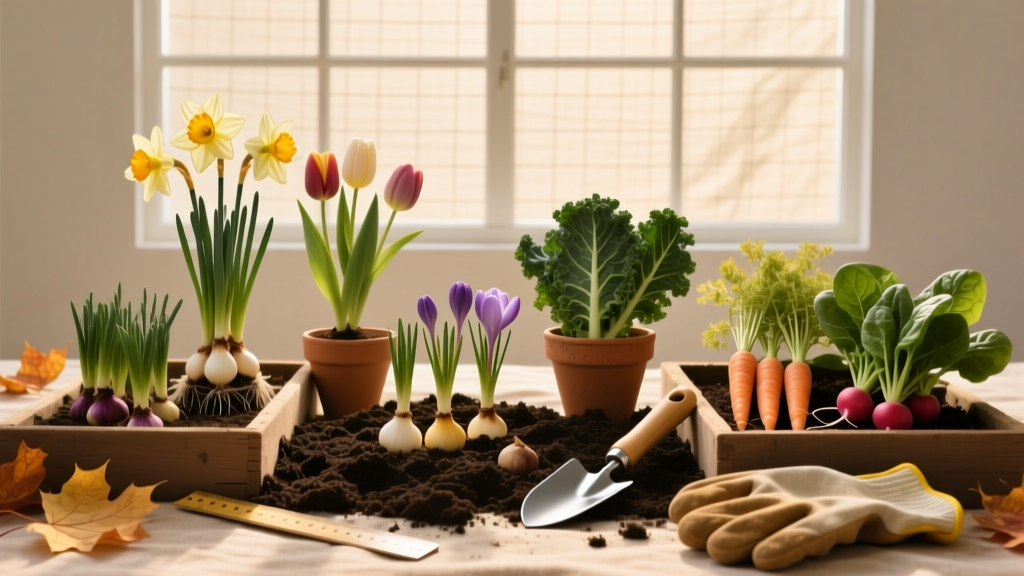
Fall Planting Schedule: Spring Bulbs and Cool Veggies
Sarah ChenPublished
Why Fall is the Ultimate Season for Garden Planning
When autumn arrives and the air turns crisp, many homeowners mistakenly believe the gardening season is over. In reality, fall is the most critical window for setting up your landscape and garden-to-table harvests for the following year. A strategic fall planting schedule bridges the gap between seasonal home maintenance and vibrant outdoor living. By focusing on spring-blooming bulbs and cool-season overwintering vegetables, you ensure that your garden emerges robust and productive the moment spring thaws the ground.
Planting in the fall takes advantage of cooler air temperatures, which reduce transplant shock and minimize the water demands of new plantings. Meanwhile, the soil remains warm from the summer sun, encouraging vigorous root establishment before the ground freezes. Whether you are cultivating a vibrant outdoor entertainment space lined with Alliums or prepping a kitchen garden for early spring harvests, timing is everything. This guide provides actionable, zone-specific schedules and product recommendations to guarantee your seasonal success.
The Golden Rule: Soil Temperature Over Air Temperature
One of the most common mistakes home gardeners make is relying on the autumn calendar or daily air temperatures to dictate their planting schedule. The true metric for fall planting is soil temperature. Roots continue to grow and establish as long as the soil temperature remains above 40°F (4°C), even if the air temperature drops below freezing at night.
To track this accurately, invest in a reliable tool like the Dramm Digital Soil Thermometer. Insert the probe 4 to 6 inches into the soil in the late morning to get a stable reading. Your target window for planting spring bulbs and overwintering vegetables is when the soil temperature consistently drops below 60°F but remains above 45°F. Planting too early in warm soil can cause bulbs to sprout prematurely or invite fungal diseases, while planting too late in frozen ground prevents root establishment entirely.
Spring Bulb Planting Schedule and Techniques
Spring-blooming bulbs require a prolonged period of cold dormancy, known as vernalization, to trigger flowering. Tulips (Tulipa), Daffodils (Narcissus), and ornamental Alliums must be planted in the fall to ensure a spectacular spring display that enhances your outdoor decor and curb appeal.
Depth, Spacing, and Nutrition
The universal rule for bulb planting depth is to dig a hole two to three times as deep as the bulb is tall. For example, a 2-inch tall daffodil bulb should be planted with its base resting 6 inches below the soil surface. Proper depth insulates the bulb from extreme temperature fluctuations and provides adequate anchorage for the stem.
When backfilling the hole, avoid using raw chemical fertilizers that can burn tender new roots. Instead, amend the soil with Espoma Organic Bulb-tone (3-8-6 NPK). This slow-release, organic fertilizer provides the high phosphorus content necessary for robust root and flower development. Mix approximately 1.5 pounds of Bulb-tone per 100 square feet of planting bed into the top few inches of soil.
- Daffodils: Plant 6 inches deep, 6 inches apart. Highly deer-resistant.
- Tulips: Plant 8 inches deep, 4-6 inches apart. Treat as annuals in warmer zones.
- Alliums: Plant 6-8 inches deep, 8 inches apart. Excellent for modern landscape design.
For more comprehensive advice on integrating seasonal flora into your landscape, the National Gardening Association offers extensive regional databases and planting calculators to help you select the right cultivars for your specific microclimate.
Cool-Season Vegetables: Garlic and Overwintering Crops
Transitioning from ornamental landscaping to garden-to-table functionality, fall is the exclusive planting season for garlic and certain overwintering alliums. Garlic requires a cold treatment to properly form bulbs the following summer. If planted in the spring, garlic will often produce a single, undivided clove known as a 'round' rather than a multi-clove head.
According to the University of Minnesota Extension, garlic should be planted in the fall so that roots develop before the ground freezes, but top growth is minimal. Hardneck varieties (like 'Music' or 'German Red') are best for northern climates with harsh winters, while Softneck varieties (like 'California Early') thrive in milder, southern zones.
Planting and Mulching Protocol
Break the garlic heads into individual cloves just before planting, leaving the papery husk intact. Plant each clove 2 inches deep and 6 inches apart in rows spaced 12 inches apart, ensuring the pointed end faces upward. After planting, water the bed deeply to initiate root growth.
Once the ground begins to freeze, apply a 4-to-6-inch layer of seed-free straw or shredded leaves as mulch. This winter mulch prevents the soil from heaving during freeze-thaw cycles, which can push the garlic cloves out of the ground and expose their roots to desiccating winter winds.
Fall Planting Schedule by USDA Hardiness Zone
Because the onset of winter varies drastically across the country, your planting schedule must align with your local climate. The USDA Plant Hardiness Zone Map is the definitive resource for understanding your region's minimum winter temperatures. Use the chart below to time your fall planting perfectly.
| USDA Zone | Avg. First Frost | Bulb Planting Window | Garlic Planting Window |
|---|---|---|---|
| Zones 3-4 | Sept 15 - Oct 1 | Sept 20 - Oct 10 | Oct 1 - Oct 15 |
| Zones 5-6 | Oct 10 - Nov 1 | Oct 10 - Nov 10 | Oct 15 - Nov 15 |
| Zones 7-8 | Nov 1 - Nov 30 | Nov 10 - Dec 5 | Nov 15 - Dec 10 |
| Zones 9-10 | Rare / Dec 15+ | Dec 15 - Jan 15* | Nov 30 - Dec 31 |
*Note: Gardeners in Zones 9-10 must purchase pre-chilled bulbs or artificially chill them in a refrigerator at 40°F for 8-10 weeks before planting, as these regions do not provide sufficient natural winter cold for vernalization.
Soil Preparation and Smart Irrigation Winterization
A successful fall planting schedule must be paired with proper soil preparation and irrigation management. Before planting, top-dress your garden beds with a 2-inch layer of organic compost. This improves soil structure, increases water retention, and feeds the soil microbiome throughout the winter months.
Winterizing Smart Irrigation Systems
If you have integrated smart home technology into your landscape, such as a Rachio 3 Smart Sprinkler Controller paired with drip irrigation zones, fall is the time to winterize. Water expands when it freezes, which can easily crack PVC pipes, manifold valves, and drip emitters.
- Shut off the main water supply to the irrigation system and drain the backflow preventer.
- Blow out the lines: Connect an air compressor to the system's blow-out port. For flexible polyethylene drip lines, never exceed 50 PSI. For rigid PVC mainlines, keep the pressure below 80 PSI.
- Update your smart controller: Use the app to set your system to 'Standby' or 'Winterize' mode. This prevents the smart weather-adaptive algorithms from accidentally triggering a watering cycle during an unseasonably warm winter spell, which could flood your dormant beds and cause root rot.
Conclusion
Embracing a fall planting schedule transforms the end of the growing season into a period of strategic investment. By monitoring soil temperatures, adhering to zone-specific timelines, and properly prepping your soil and irrigation systems, you lay the groundwork for a thriving, low-maintenance landscape. When spring finally arrives, your outdoor living spaces will be framed by vibrant, deeply rooted blooms, and your kitchen will be ready for the season's first harvest of homegrown garlic.
