Gardening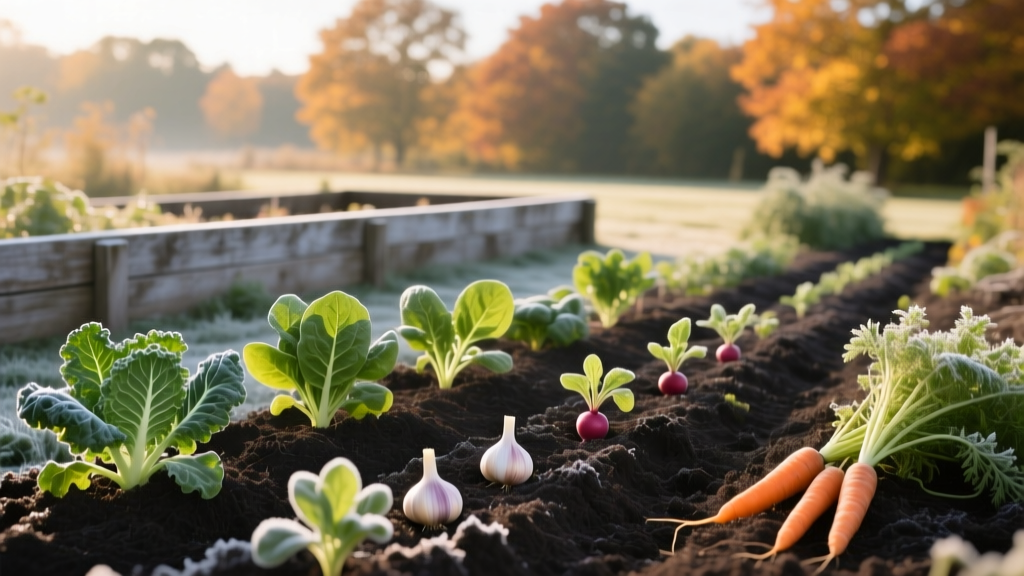
Fall Planting Schedule for Cool-Season Veggies and Garlic
Robert HayesPublished
Why Fall is the Secret Season for Gardeners
While spring often gets all the glory in the gardening world, autumn is arguably the most productive and forgiving season for growing vegetables. As the scorching heat of summer fades, cool-season crops experience a renaissance. The dropping temperatures reduce water stress, minimize the bolting of leafy greens, and naturally suppress many of the pests and diseases that plague summer gardens. Aphids, squash bugs, and fungal infections like powdery mildew become far less prevalent as the air cools and humidity shifts. Furthermore, the soil is already warm from the summer sun, which promotes rapid seed germination and robust root establishment before the first hard freeze sets in. By mastering your fall planting schedule, you can extend your harvest well into the winter months and set the stage for next year's garden.
Understanding Frost Dates and Planting Windows
The cornerstone of any successful fall planting schedule is knowing your average first frost date. This is the date when your region typically experiences its first light freeze (32°F or 0°C) in the autumn. You can determine your specific frost date by consulting the USDA Plant Hardiness Zone Map and cross-referencing it with local historical weather data from your county extension office.
Once you have your first frost date, you must calculate your planting window using the 'Days to Maturity' listed on your seed packets. However, fall gardening requires a mathematical adjustment known as the 'Fall Factor.' Because daylight hours are shortening and temperatures are dropping, plants grow slower in the fall than in the spring. To calculate your exact planting date, take the Days to Maturity, add 14 days for the Fall Factor, and add another 7 to 10 days if you plan to harvest the crop over an extended period rather than all at once. Count this total number of days backward from your first frost date to find your last optimal planting day.
The Ultimate Fall Planting Schedule Table
Below is a structured planting guide for the most popular cool-season vegetables. This table assumes a target harvest before the ground freezes solid, though many of these crops can survive light frosts or be protected with row covers.
| Crop | Days to Maturity | Planting Window (Before First Frost) | Seed Depth | Spacing |
|---|---|---|---|---|
| Radishes | 25-30 days | 4 to 6 weeks | 1/2 inch | 2 inches apart |
| Spinach | 35-45 days | 6 to 8 weeks | 1/2 inch | 4 inches apart |
| Arugula | 30-40 days | 6 to 8 weeks | 1/4 inch | 4 inches apart |
| Kale | 50-65 days | 8 to 10 weeks (Transplants: 6 weeks) | 1/2 inch | 12 inches apart |
| Carrots | 60-75 days | 10 to 12 weeks | 1/4 inch | 3 inches apart |
| Beets | 50-60 days | 8 to 10 weeks | 1/2 inch | 4 inches apart |
| Garlic | Overwinter (240+ days) | 2 to 4 weeks before ground freezes | 2 inches deep | 6 inches apart |
Leafy Greens and Brassicas
Leafy greens like spinach, arugula, and kale are the workhorses of the fall garden. According to the University of Minnesota Extension, cool-season crops thrive when daytime temperatures are between 60°F and 70°F, and they can easily withstand light frosts that actually improve their flavor by converting starches into sugars. For crops like kale and Swiss chard, direct seeding in late summer is effective, but using 4-week-old transplants can save you valuable time in the shrinking fall window. If direct sowing, keep the seedbed consistently moist until germination, as late summer soil can dry out rapidly. Varieties like 'Winterbor' kale and 'Bloomsdale Long Standing' spinach are specifically bred for cold tolerance and are excellent choices for autumn planting.
Root Vegetables for Autumn Harvests
Root vegetables such as carrots, beets, and radishes require loose, well-draining soil to develop properly. Because you are planting these in beds that likely hosted heavy-feeding summer crops like tomatoes or corn, soil preparation is critical. Avoid adding fresh manure or high-nitrogen fertilizers right before planting root crops, as excess nitrogen causes lush top growth at the expense of the root bulb, and can cause carrots to fork or become hairy. Instead, work a low-nitrogen, high-phosphorus organic fertilizer (like a 3-4-4 blend) into the top six inches of soil. For carrots, choose varieties with shorter maturity dates like 'Napoli' or 'Mokum', which are renowned for their sweetness after a frost.
Alliums: Planting Garlic for Next Summer
Garlic is unique in the fall planting schedule because it is not harvested in the autumn; rather, it is planted in the fall to overwinter and harvested the following summer. Garlic requires a biological process called vernalization—a prolonged period of cold temperatures—to trigger the formation of bulbs. Without this cold period, the plant will simply produce a single, undivided clove known as a 'round.' The UMN Extension's guide on growing garlic recommends planting individual cloves 2 to 4 weeks before the ground freezes solid. This timing allows the garlic to develop a robust root system without pushing up green shoots above the soil line before winter. Plant hardneck varieties in colder climates (Zones 3-6) and softneck varieties in milder regions (Zones 7-9). Plant cloves 2 inches deep with the pointed end facing up, and immediately cover the bed with 4 to 6 inches of seed-free straw to insulate the soil against freeze-thaw cycles that can heave the cloves out of the ground.
Soil Preparation for Fall Crops
Transitioning from summer to fall requires diligent soil management. Begin by removing spent summer crops, pulling out weeds, and clearing any debris that could harbor overwintering pests. Once the bed is clear, replenish the organic matter that was depleted during the summer growing season. Apply a 2 to 3-inch layer of finished compost over the planting area and incorporate it into the top 6 inches of soil using a broadfork or garden fork. Compost improves soil structure, increases water retention, and provides a slow-release buffet of micronutrients. If a recent soil test indicates a deficiency in primary macronutrients, apply a balanced 10-10-10 organic fertilizer at a rate of 1 to 2 pounds per 100 square feet, raking it lightly into the soil surface before sowing your seeds.
Extending the Season with Row Covers and Cold Frames
To push your fall planting schedule deep into the winter months, season extension tools are essential. Floating row covers made from spun-bonded polypropylene, such as Agribon AG-19 or AG-30, act as a protective blanket that traps soil heat while allowing sunlight and rain to penetrate. An AG-19 cover can protect plants down to 28°F, while the heavier AG-30 can shield crops down to 26°F. These covers are highly cost-effective; a 100-foot roll typically costs between $20 and $25 and can be reused for multiple seasons. To prevent the fabric from crushing delicate plants, drape the row covers over wire hoops or PVC pipes. For even greater protection, construct a simple cold frame using straw bales and an old glass window or polycarbonate panel. Cold frames can create a microclimate that is 10°F to 15°F warmer than the outside air, allowing you to harvest hardy greens like mache and claytonia well into December and January.
Conclusion
A well-executed fall planting schedule transforms the end of the gardening year from a period of decline into a season of abundance. By calculating your frost dates, preparing your soil meticulously, and utilizing season extension techniques, you can enjoy fresh, homegrown vegetables long after your neighbors have put their gardens to bed. Whether you are harvesting crisp autumn radishes, sweet frost-kissed carrots, or setting the foundation for next year's garlic crop, the cool-season garden offers some of the most rewarding yields of the entire year. Grab your seed packets, check your frost calendar, and get planting.
