Home & Garden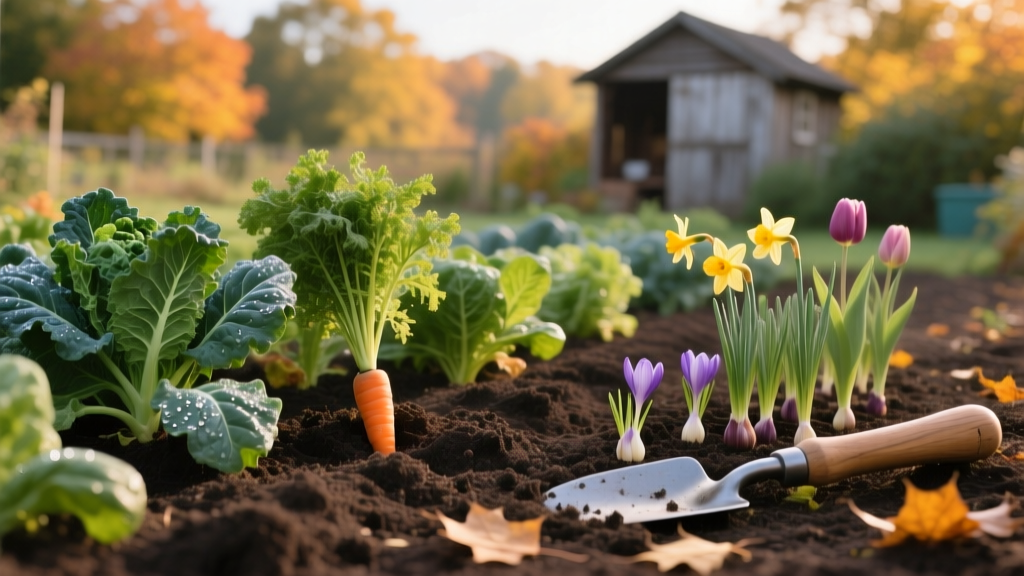
Fall Planting Schedule for Cool-Season Crops and Spring Bulbs
Sarah ChenPublished
The Secret to a Year-Round Garden: Autumn Timing
As the summer heat breaks and the crisp air of autumn settles in, many homeowners mistakenly believe the gardening season is over. However, for those looking to bridge the gap between outdoor landscaping and indoor garden-to-table living, fall is actually the most critical planting season of the year. A well-executed fall planting schedule ensures a vibrant, colorful landscape the moment spring arrives, while simultaneously providing a continuous harvest of cool-season vegetables well into the winter months. By understanding soil thermodynamics, regional frost dates, and smart home irrigation integration, you can transform your autumn garden into a powerhouse of seasonal productivity.
The Science Behind Fall Planting
Why plant in the fall when spring seems like the natural time for new growth? The answer lies beneath the surface. While autumn air temperatures drop, the soil retains the residual heat of the summer months. This creates an ideal environment for root establishment. When you plant cool-season crops and spring-blooming bulbs in the fall, the warm soil encourages rapid root growth without the stress of top-growth demands or summer drought. Furthermore, autumn typically brings more consistent rainfall and lower evaporation rates, reducing the burden on your irrigation system. According to the University of Minnesota Extension, planting bulbs when soil temperatures drop to around 55°F at a depth of 6 inches is the golden rule for ensuring proper dormancy and explosive spring blooms.
Calculating Your Local Frost Dates
Before digging a single hole, you must understand your local climate's frost timeline. Cool-season vegetables like spinach, kale, and radishes thrive in the cool days of autumn but need time to mature before the ground freezes solid. You should aim to plant these crops 6 to 8 weeks before your average first fall frost date. You can easily find your specific regional data by entering your zip code into the frost date calculator provided by The Old Farmer's Almanac. Knowing this date allows you to work backward and create a precise, customized planting calendar that maximizes your garden-to-table yield.
Month-by-Month Fall Planting Schedule
Below is a comprehensive planting schedule tailored for most temperate zones (USDA Hardiness Zones 5-7). Adjust slightly based on your specific microclimate.
| Timing Phase | Target Soil Temp | Cool-Season Crops to Plant | Spring-Blooming Bulbs to Plant |
|---|---|---|---|
| Early Fall (Sept) | 65°F - 70°F | Radishes, Spinach, Arugula, Garlic | Alliums, Colchicum, Fritillaria |
| Mid Fall (Oct) | 55°F - 65°F | Kale, Carrots, Overwintering Onions | Daffodils, Hyacinths, Crocus |
| Late Fall (Nov) | 45°F - 55°F | Hardy Cover Crops (Crimson Clover) | Tulips, Snowdrops, Anemones |
| Winter Prep (Dec) | Below 45°F | Mulch Beds, Prune Dormant Crops | Force Bulbs Indoors (Amaryllis) |
Early Fall: September
September is the time for fast-growing leafy greens and alliums. Plant garlic cloves 2 inches deep and 6 inches apart, ensuring the pointed end faces up. Hardneck varieties like 'Music' or 'Chesnok Red' are excellent for cold climates and produce edible scapes in the spring. Sow spinach and arugula seeds directly into well-amended beds, keeping the soil consistently moist until germination.
Mid Fall: October
October is prime time for root vegetables and the bulk of your spring bulbs. Plant daffodils and hyacinths at a depth equal to three times their height. For the vegetable garden, direct-sow carrots and transplant hardy kale varieties like 'Winterbor'. The cooler temperatures will naturally sweeten the flavor profile of brassicas, a process known as frost-sweetening, making them perfect for autumn roasting and garden-to-table meals.
Late Fall: November
As the ground begins to chill, focus on tulips, which require a longer, colder chilling period than daffodils. In the vegetable patch, November is ideal for sowing cover crops like crimson clover or winter rye in empty beds. These cover crops prevent soil erosion, suppress winter weeds, and fix nitrogen in the soil, acting as a natural green manure when you till them under in the spring.
Soil Preparation and Amendment Strategies
A successful fall planting schedule relies heavily on soil health. Before planting, clear away spent summer crops and weeds. Spread a 1-to-2-inch layer of organic compost over your beds. For heavy feeders like garlic and kale, incorporate a balanced, slow-release organic fertilizer such as Espoma Organic Garden-tone (4-3-4 NPK ratio) at a rate of 3.5 pounds per 50 square feet. This provides a steady nutrient release that won't burn tender new roots but will sustain the plants through the winter months.
Smart Home Integration for Autumn Irrigation
As the seasons change, your garden's water requirements drop significantly. Leaving your smart irrigation system on its summer schedule is a common mistake that leads to waterlogged soil and bulb rot. Modern smart home integration allows you to automate this transition. Wi-Fi-enabled controllers like the Rachio 3 or Orbit B-hyve automatically adjust watering schedules based on hyper-local weather forecasts, skipping cycles when autumn rain is detected. The EPA WaterSense program notes that smart irrigation controllers can save the average home nearly 7,600 gallons of water annually. Additionally, consider installing wireless soil moisture sensors in your bulb and vegetable beds. These sensors communicate directly with your smart hub, ensuring you only water when the soil moisture drops below 40%, protecting your cool-season crops from fungal diseases associated with excess autumn dampness.
Protecting Your Plants from Early Frosts
Even with perfect timing, an unexpected early hard freeze can devastate a young fall garden. To extend your harvest well into December, invest in season extension tools. Floating row covers, such as Agribon AG-19 (which costs roughly $25 for a 50-foot roll), can raise the ambient temperature around your plants by 4°F to 6°F while still allowing light and water to penetrate. For individual plants or smaller beds, use plastic cloches or build a simple DIY cold frame using reclaimed windows and straw bales. These structures create a microclimate that shields your garden-to-table crops from harsh winds and freezing temperatures, allowing you to harvest fresh spinach and kale even after the first snowfall.
Garden-to-Table: Harvesting and Culinary Pairings
The ultimate reward of a disciplined fall planting schedule is the culinary payoff. Cool-season crops possess a unique biological defense mechanism: as temperatures drop near freezing, they convert their stored starches into sugars to prevent their cellular water from freezing. This means that a carrot or Brussels sprout harvested in late November will taste significantly sweeter and more complex than one harvested in early October. When planning your garden-to-table menus, pair your autumn harvests with seasonal herbs. Rosemary and thyme are incredibly hardy and will continue to produce well into the winter, providing the perfect aromatic accompaniment to roasted root vegetables and hearty autumn stews.
Pro Tip: Never wash root vegetables like carrots or parsnips before storing them. Brush off excess soil and store them in a cool, humid environment like a root cellar or the crisper drawer of your refrigerator to maintain their crisp texture and garden-fresh flavor for months.
Conclusion
Mastering the fall planting schedule is about working with nature's rhythms rather than against them. By timing your cool-season crops and spring bulbs to coincide with dropping soil temperatures, leveraging smart home irrigation to prevent overwatering, and utilizing protective row covers, you can enjoy a seamless transition from the vibrant hues of autumn to the fresh, sweet harvests of winter. Grab your trowel, check your local frost dates, and start planting—your future self will thank you when the first spring daffodils push through the thawing earth.
