Home & Garden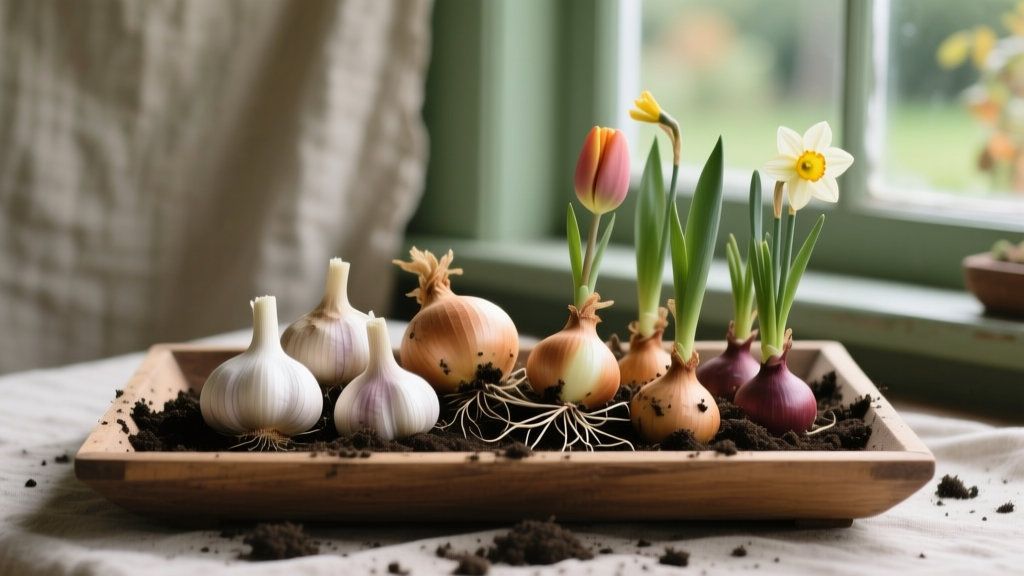
Mastering the Fall Planting Schedule for Garlic and Spring Bulbs
Emily WatsonPublished
The Hidden Advantages of Autumn Sowing
Many home gardeners view autumn as the season of cleanup, a time to pull dying annuals, rake leaves, and store away the patio furniture. However, for the strategic horticulturist, fall is the most critical planting window of the entire year. Bridging the gap between outdoor landscaping and indoor garden-to-table preparation requires a deep understanding of seasonal timing. By leveraging the residual warmth of autumn soil and the natural dormancy cycles of perennial crops, you can set the stage for a vibrant spring landscape and a bountiful early-summer harvest. This comprehensive guide details the precise planting schedules for cool-season edibles and spring-blooming bulbs, ensuring your outdoor spaces are optimized for the year ahead.
The Science of Autumn Root Establishment
While air temperatures drop rapidly in late autumn, soil retains summer heat much longer. This thermal lag creates an ideal environment for root development. When you plant garlic, onions, or spring bulbs in the fall, the warm soil encourages vigorous root growth even as the plant's top growth remains dormant. According to horticultural experts, roots will continue to expand until soil temperatures drop below 40 degrees Fahrenheit. This early root establishment means that when spring arrives, your plants already have a robust subterranean network capable of absorbing water and nutrients immediately, giving them a massive head start over anything planted in the spring.
Garden-to-Table: Sowing Garlic and Overwintering Alliums
Garlic is the undisputed king of the fall-planted garden. To achieve large, robust bulbs by mid-summer, garlic requires a prolonged period of cold exposure, known as vernalization. The timing of your planting is crucial. You want the cloves to develop roots before the ground freezes, but you do not want them to send up green shoots above the soil line before winter sets in.
Timing and Technique for Garlic
The general rule of thumb is to plant garlic four to six weeks before your expected first hard freeze. You can use resources like the Old Farmer's Almanac to pinpoint your local frost dates. In northern climates, this usually falls between late September and mid-October. In milder southern zones, planting can extend into November or even December.
- Soil Preparation: Garlic thrives in well-draining loam with a pH between 6.0 and 7.0. Amend your beds with two inches of finished compost before planting.
- Planting Depth: Break the garlic heads into individual cloves right before planting. Plant each clove two inches deep, measured from the tip of the clove to the soil surface.
- Spacing: Space cloves six inches apart in rows that are 12 inches apart. This provides adequate airflow and room for bulb expansion.
- Seed Selection: Always source certified disease-free seed garlic from a reputable nursery. Grocery store garlic is often treated with sprout inhibitors and may harbor soil-borne pathogens. Expect to invest between 15 and 25 dollars per pound of high-quality seed garlic.
For a deeper dive into regional specifics, the University of Minnesota Extension offers excellent guidelines on selecting hardneck varieties like Porcelain and Rocambole, which are exceptionally cold-hardy and produce edible scapes in early summer.
Overwintering Onions and Shallots
Alongside garlic, autumn is the perfect time to plant overwintering onion sets and shallots. Varieties such as 'Senshyu' and 'Radar' are bred specifically to survive winter lows and produce early summer harvests. Plant onion sets one inch deep and four inches apart. Shallots should be planted slightly deeper, about two inches, with eight inches of spacing. These crops will establish roots in the fall, survive under a blanket of snow, and resume rapid growth at the first hint of spring warmth, providing you with fresh green onions in April and mature bulbs by June.
Landscaping for Spring: Timing Your Bulb Plantings
Transitioning from the edible garden to the ornamental landscape, fall is the exclusive planting window for spring-blooming bulbs. Tulips, daffodils, alliums, and crocuses all require a sustained chilling period of 12 to 16 weeks at temperatures below 45 degrees Fahrenheit to break dormancy and trigger flowering.
According to the Penn State Extension, the ideal time to plant these bulbs is when nighttime temperatures are consistently in the 40s and 50s, but at least six weeks before the ground freezes. This allows the bulbs to biologically anchor themselves before the deep freeze.
Spring Bulb Planting Chart
| Bulb Type | Planting Time | Depth (Inches) | Spacing (Inches) | Chill Hours Required |
|---|---|---|---|---|
| Crocus | Early to Mid-Fall | 3 to 4 | 2 to 3 | 12-14 Weeks |
| Daffodil | Mid-Fall | 6 to 8 | 4 to 6 | 12-16 Weeks |
| Tulip | Mid to Late Fall | 6 to 8 | 4 to 5 | 14-16 Weeks |
| Allium | Late Fall | 4 to 8 (varies by size) | 8 to 12 | 12-14 Weeks |
Pro Tip: To deter squirrels and voles from digging up your newly planted tulips and crocuses, lay a piece of half-inch hardware cloth or chicken wire over the planting bed, then cover it with an inch of soil and mulch. The spring shoots will easily grow through the wire, but rodents will be blocked from burrowing down to the bulbs.
Soil Preparation and Smart Irrigation Winterization
Successful fall planting relies heavily on soil health and proper water management. Before planting your bulbs and alliums, incorporate a low-nitrogen, high-phosphorus fertilizer to stimulate root growth. A granular organic fertilizer with an N-P-K ratio of 5-10-10, or a top-dressing of pure bone meal, is ideal. Avoid high-nitrogen fertilizers, which promote soft, leafy growth that is highly susceptible to frost damage.
Winterizing Smart Irrigation Systems
As you transition your garden for winter, integrating smart home technology into your seasonal maintenance routine is vital. If you utilize a smart irrigation controller like the Rachio 3 or Orbit B-hyve, you must prepare the system for freezing temperatures to prevent catastrophic pipe bursts.
- System Blowouts: For underground PVC or polyethylene piping, use an air compressor to blow out residual water. Keep the air pressure below 50 PSI for poly pipes and 80 PSI for PVC to avoid damaging the joints and sprinkler heads.
- Smart Controller Settings: Use your smart app to initiate the seasonal shutdown mode. This pauses all scheduled watering while retaining your zone configurations and historical data for an easy spring restart.
- Above-Ground Sensors: Bring smart soil moisture sensors and above-ground hose timers indoors. Lithium-ion batteries and internal circuit boards can be permanently damaged by prolonged sub-freezing temperatures.
The Art of Mulching and Frost Heave Prevention
A common mistake among novice gardeners is applying winter mulch immediately after planting. If you mulch too early, you trap the summer heat in the soil, which can delay dormancy and encourage premature sprouting or fungal diseases. Furthermore, a thick layer of mulch applied before the freeze can create a warm haven for rodents looking to nest and feast on your garlic and bulbs.
The correct timing for winter mulching is after the ground has frozen solid. The purpose of winter mulch is not to keep the soil warm, but to keep it consistently cold. By insulating the surface with three to four inches of straw, shredded leaves, or pine boughs after the freeze, you prevent the alternating freeze-thaw cycles that cause frost heave. Frost heave occurs when water in the soil freezes and expands, literally pushing shallow-rooted plants and bulbs out of the ground and exposing them to the lethal winter air. Once the ground is locked in its winter freeze, apply your mulch to lock in that temperature stability until the gentle thaws of early spring.
Conclusion
Mastering the fall planting schedule transforms your garden from a dormant winter landscape into a powerhouse of early spring productivity. By timing your garlic and onion plantings to coincide with cooling autumn soils, and strategically placing spring-blooming bulbs at the correct depths, you guarantee a seamless transition from the winter hearth to the spring harvest. Combine these traditional horticultural techniques with modern smart irrigation winterization, and your outdoor spaces will be perfectly primed for a spectacular and delicious year ahead.
