Home & Garden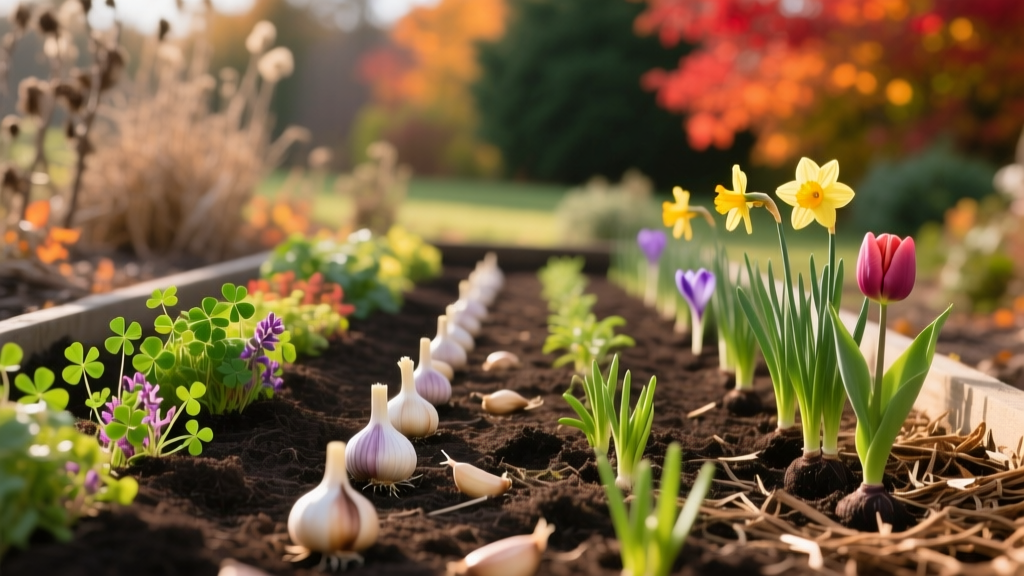
The Ultimate Fall Planting Schedule for Spring Gardens
Mike RodriguezPublished
Why Fall is the Most Critical Planting Season
When most homeowners think of gardening, they picture the frantic rush of spring planting. However, the true secret to a lush, productive, and vibrant spring garden actually lies in the autumn months. Fall planting takes advantage of cooler air temperatures, warmer soil, and increased seasonal rainfall, creating the perfect environment for robust root establishment. By following a precise seasonal timing and planting schedule, you can bridge the gap between autumn garden maintenance and a spectacular spring harvest.
Whether you are cultivating garden-to-table crops like hardneck garlic, improving your soil ecology with cover crops, or designing an outdoor living space framed by spring-blooming bulbs, timing is everything. This comprehensive guide will walk you through the exact schedules, soil temperatures, and actionable steps required to set your spring garden up for unparalleled success.
Understanding Soil Temperatures and Frost Dates
Before putting a single seed or clove into the ground, you must understand the relationship between your local first frost date and soil temperature. Air temperature is a poor indicator of planting readiness in the fall; soil temperature is what truly matters. Roots continue to grow and establish themselves as long as the soil temperature remains above 40°F (4°C).
To track this accurately, invest in a digital soil thermometer. For most temperate climates (USDA Hardiness Zones 4 through 7), the ideal window for fall planting begins about six to eight weeks before your first expected hard frost and extends until the ground freezes solid. This window allows plants to develop a secure root system without expending energy on top-growth that will be damaged by winter freezes.
Phase 1: Sowing Cover Crops for Soil Health (Late Summer to Early Fall)
Before you plant your spring edibles, you must prepare the soil. Planting cover crops, often referred to as 'green manure,' is a cornerstone of sustainable garden-to-table landscaping. Cover crops prevent soil erosion, suppress winter weeds, and fix vital nutrients back into the earth.
According to the Sustainable Agriculture Research and Education (SARE) program, selecting the right cover crop depends on your specific soil deficiencies. For nitrogen depletion, sow Crimson Clover or Hairy Vetch. For compacted soil that needs aeration, Winter Rye or Forage Radishes are exceptional choices. Sow these seeds densely over cleared garden beds roughly four to six weeks before your first killing frost. Rake them lightly into the top quarter-inch of soil and water thoroughly. In the spring, you will mow and turn these crops into the soil, providing a massive, organic nutrient boost for your summer vegetables.
Phase 2: Planting Alliums for Summer Harvests (Mid-Fall)
Garlic, shallots, and overwintering onions are the undisputed kings of the fall planting schedule. These crops require a process called vernalization—a prolonged period of cold temperatures—to trigger the formation of bulbs. If planted in the spring, they will often result in small, single-clove rounds rather than robust, multi-clove heads.
The University of Minnesota Extension recommends planting garlic two to three weeks before the ground freezes, which typically falls between mid-October and early November in many northern and mid-Atlantic regions. Break your seed garlic into individual cloves, keeping the papery husk intact. Plant each clove pointy-side up, two inches deep and six inches apart in rows spaced one foot apart.
Amend the planting trench with a high-phosphorus fertilizer, such as bone meal, to encourage strong root development. After planting, water the bed deeply and apply a thick, four-to-six-inch layer of seed-free straw or shredded leaves. This mulch layer is critical; it prevents the 'heaving' effect caused by alternating winter freezes and thaws, which can push the cloves out of the soil and expose them to lethal cold.
Phase 3: Setting Spring-Blooming Bulbs (Late Fall)
To seamlessly blend outdoor decor with seasonal timing, late fall is the exclusive window for planting spring-blooming bulbs like tulips, daffodils, hyacinths, and alliums. These bulbs contain pre-packaged energy and require the chilling hours of winter to break dormancy.
The Penn State Extension advises waiting until soil temperatures drop below 55°F (13°C) before planting bulbs, usually around late October to November. Planting too early in warm soil can invite fungal diseases and premature sprouting. The golden rule for bulb depth is to dig a hole three times as deep as the bulb is tall. For example, a two-inch tulip bulb should be planted six inches deep. Incorporate a slow-release bulb fertilizer at the base of the hole, place the bulb root-side down, and backfill with native soil mixed with compost.
Comprehensive Fall Planting Schedule Chart
Use this structured reference guide to time your autumn garden tasks perfectly based on your local frost dates.
| Crop / Plant Type | Timing Window | Planting Depth | Spacing | Primary Benefit |
|---|---|---|---|---|
| Winter Rye (Cover Crop) | 6-8 weeks before first frost | 1/4 inch | Broadcast densely | Soil aeration, biomass |
| Crimson Clover | 6-8 weeks before first frost | 1/4 inch | Broadcast densely | Nitrogen fixation |
| Hardneck Garlic | 2-3 weeks before ground freeze | 2 inches | 6 inches apart | Summer culinary harvest |
| Overwintering Onions | 4-6 weeks before first frost | 1 inch | 4-6 inches apart | Early summer harvest |
| Daffodils | After soil drops below 55°F | 6-8 inches | 4 inches apart | Spring landscape decor |
| Tulips | After soil drops below 55°F | 6-8 inches | 3-5 inches apart | Vibrant spring color |
Smart Home Integration and Winterization
Modern home and garden care bridges the gap between traditional horticulture and smart home technology. Even though your plants are dormant or establishing roots underground, moisture management remains critical throughout the autumn months. A common mistake homeowners make is shutting down their irrigation systems too early. Newly planted garlic and bulbs need consistent moisture to initiate root growth before the deep freeze.
Integrate a smart soil moisture sensor, such as those offered by Ecowitt or X-Sense, into your garden beds. These devices connect to your home Wi-Fi network and can trigger smart irrigation controllers like the Rachio or B-hyve to deliver precise, deep watering only when the soil moisture drops below optimal thresholds. This prevents both the rot associated with overwatering and the desiccation caused by dry winter winds. Once the ground is completely frozen, you can safely winterize your irrigation system and rely on natural snowmelt to provide insulation and slow-release moisture throughout the winter.
Conclusion
A successful spring garden is not born in the warmth of May; it is meticulously planned and executed in the crisp air of autumn. By adhering to this seasonal timing and planting schedule, monitoring your soil temperatures, and leveraging both organic soil amendments and smart garden technology, you ensure that your landscape will awaken from winter dormancy with explosive vigor. Get out into the yard this fall, prepare your beds, and lay the groundwork for your most bountiful and beautiful spring season yet.
