
Landscaping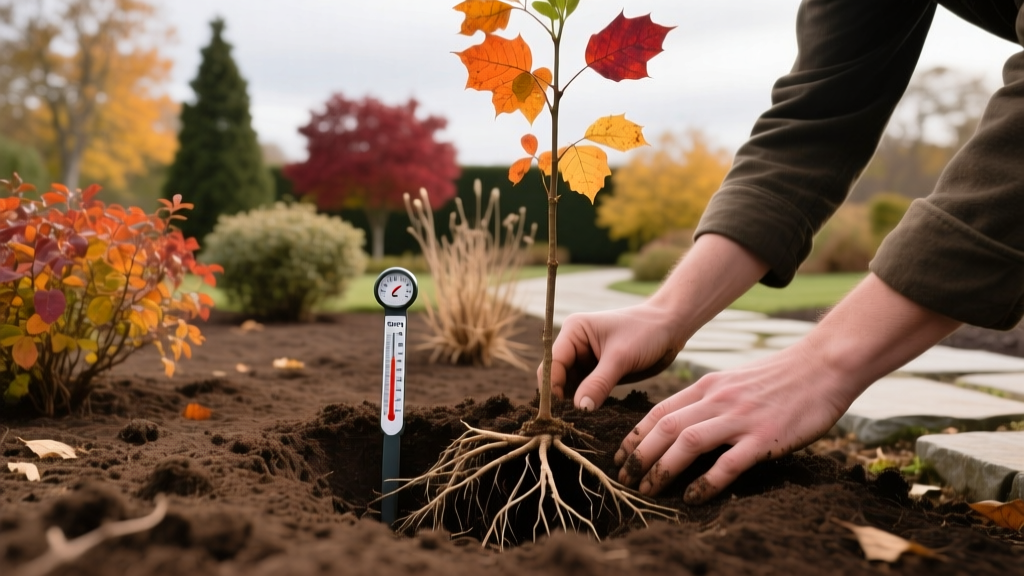
The Ultimate Fall Planting Schedule for Trees and Shrubs
Sarah ChenPublished
Why Fall is the Ultimate Season for Landscaping
When most homeowners think of landscaping and planting, spring immediately comes to mind. The garden centers are blooming, the weather is warming up, and the urge to dig is strong. However, professional landscapers and arborists know a well-kept industry secret: autumn is unequivocally the best time to plant trees and shrubs. While spring planting forces a new plant to simultaneously produce top growth, leaves, and roots while battling the impending stress of summer heat, fall planting allows the plant to focus entirely on one crucial task—root establishment.
By shifting your landscaping schedule to the autumn months, you give your trees and shrubs a massive head start. The air is cool, which reduces transpiration and water loss from leaves, while the soil remains warm from the summer sun, creating the perfect incubator for aggressive root growth. According to the University of Minnesota Extension, fall-planted trees require less supplemental watering and are far more resilient to drought and heat stress the following summer compared to their spring-planted counterparts.
The Science Behind Autumn Root Establishment
To understand why timing matters so much in landscaping, you have to look at plant physiology. Trees and shrubs store carbohydrates in their roots during the late summer. As autumn approaches and top growth slows down due to shorter daylight hours, the plant redirects its energy downward. As long as the soil temperature remains above 45°F (7°C), roots will continue to grow and expand. This means a tree planted in late September will spend October and November building a robust, deep root system that anchors it firmly and prepares it to uptake water and nutrients efficiently when spring arrives.
Furthermore, fall landscaping often comes with financial benefits. Nurseries are looking to clear out their inventory before winter, meaning you can frequently find high-quality, 15-gallon specimen trees and 5-gallon shrubs at a 20% to 40% discount compared to peak spring pricing. You get a superior establishment window and a better price—a rare win-win in home improvement.
Seasonal Timing: When to Plant by Hardiness Zone
Timing your fall planting correctly is critical. Plant too early, and the plant may push out vulnerable new top growth that will be damaged by the first frost. Plant too late, and the ground will freeze before the roots have time to anchor and establish, leading to winter desiccation or frost heave. The golden rule is to plant at least six weeks before the ground is expected to freeze solid. Below is a structured planting schedule based on USDA Hardiness Zones.
| USDA Hardiness Zone | Ideal Fall Planting Window | Target Soil Temperature | Landscaping Notes |
|---|---|---|---|
| Zones 3 & 4 | Late August to Mid-September | 60°F - 70°F | Short autumns require early planting. Focus on cold-hardy deciduous trees. |
| Zones 5 & 6 | Mid-September to Late October | 55°F - 65°F | The sweet spot for most landscapes. Excellent root growth before winter dormancy. |
| Zones 7 & 8 | October to Late November | 50°F - 65°F | Extended autumns allow for later planting. Great time for broadleaf evergreens. |
| Zone 9 & 10 | November through February | 45°F - 60°F | Winter is the primary planting season to avoid extreme summer heat stress. |
Step-by-Step Fall Planting Guide for Trees and Shrubs
Proper technique is just as important as proper timing. Follow this actionable, step-by-step guide to ensure your landscaping investment thrives.
- Locate the Root Flare: Before digging, brush away the topsoil from the nursery pot to find the root flare (where the trunk widens at the base). Planting too deep is the number one cause of tree death. The root flare must sit slightly above grade.
- Dig the Perfect Hole: Dig a hole that is two to three times wider than the root ball, but no deeper. The sides of the hole should be rough and jagged, not smooth, to allow roots to penetrate the native soil easily.
- Amend the Backfill Strategically: Avoid the outdated practice of heavily amending the backfill soil with peat moss, which can create a 'bathtub effect' where water pools and rots roots. Instead, mix native soil with 20% high-quality organic compost. Incorporate a slow-release, mycorrhizal inoculant like Espoma Bio-tone Starter Plus (apply at a rate of 4 cups per 15-gallon tree) to stimulate root hairs.
- Water and Settle: Place the tree in the hole, backfill halfway, and water heavily to eliminate air pockets. Finish backfilling and water again.
- Apply the 'Donut' Mulch Method: Apply 2 to 3 inches of premium hardwood mulch over the root zone. Crucially, keep the mulch at least 3 inches away from the trunk to prevent rot and rodent damage. The mulch ring should look like a donut, not a volcano.
Nuances: Deciduous vs. Broadleaf Evergreens vs. Conifers
Not all plants respond to fall planting equally. Understanding the nuances between plant types will refine your landscaping schedule.
- Deciduous Trees and Shrubs (Maples, Oaks, Hydrangeas): These are the most forgiving and benefit the most from fall planting. Once they drop their leaves, they require minimal water and focus 100% of their energy on root expansion.
- Conifers (Pines, Spruces, Junipers): Conifers prefer to be planted slightly earlier in the fall (late August to early October in northern zones). Because they retain their needles year-round, they continue to lose moisture through transpiration in the winter. They need a longer runway to establish roots before the ground freezes to prevent winter burn.
- Broadleaf Evergreens (Rhododendrons, Holly, Boxwood): These are the most vulnerable to winter desiccation. If you plant them in the fall, you must be diligent about winter watering and applying an anti-desiccant spray like Bonide Wilt Stop in late November to seal moisture into the leaves.
Crucial Winter Aftercare and Watering Schedules
A common misconception is that once the autumn rains start, you can put the garden hose away until spring. This is a fatal landscaping error. Newly planted trees and shrubs need consistent moisture until the ground freezes solid. If the autumn is dry, you must water deeply once a week. The Arbor Day Foundation recommends providing 10 to 15 gallons of water per week for a newly planted tree, adjusting based on rainfall.
Even in winter, if you experience unseasonably warm, dry spells or high winds, your evergreens and fall-planted specimens will need supplemental watering. According to The Morton Arboretum, winter watering should be done when the air temperature is above 40°F and there is no snow cover, allowing the water to soak into the soil before nighttime freezes.
Pro Landscaper Tip: Invest in a soil moisture probe (costing around $20-$30). Push it 6 inches into the root zone. If it comes out dry and clean, it is time to water. If soil clings to the probe, hold off. Overwatering in cool autumn soils is just as deadly as underwatering.
Common Fall Planting Mistakes to Avoid
To protect your investment and ensure your landscape looks stunning next spring, avoid these frequent pitfalls:
- Applying High-Nitrogen Fertilizer: Never use synthetic, high-nitrogen fertilizers (like standard lawn fertilizers) on newly planted trees in the fall. Nitrogen stimulates tender top growth that will be killed by frost, draining the plant's energy reserves. Stick to phosphorus-rich root stimulators or organic compost.
- Ignoring Frost Heave: In regions with severe freeze-thaw cycles, the soil can expand and contract, literally pushing the new root ball out of the ground. Check your newly planted shrubs in late winter; if they have heaved, gently firm the soil back down around the roots as soon as it thaws.
- Wrapping Trunks Prematurely: While wrapping the thin bark of young maples or fruit trees with tree wrap can prevent sunscald and rodent damage, do it too early in the autumn and you risk trapping moisture against the bark, inviting fungal diseases. Apply tree wrap only after the first hard frost and remove it promptly in early spring.
- Skipping the Staking Assessment: Most trees do not need to be staked. Allowing the trunk to sway slightly in the autumn wind stimulates the growth of reaction wood, creating a thicker, stronger trunk. Only stake trees planted in extremely windy areas or those with disproportionately large canopies, and always use flexible, wide straps to avoid girdling the bark.
Conclusion: Plan Ahead for a Thriving Landscape
Transitioning your landscaping schedule to prioritize fall planting is one of the most impactful decisions you can make for your property. By leveraging the natural biological rhythms of trees and shrubs, you reduce water usage, minimize plant stress, and save money on nursery stock. Mark your calendar, check your local frost dates, and prepare your soil. When spring finally arrives, your fall-planted landscape will burst into growth with a robust, hidden foundation that guarantees long-term health, beauty, and vibrant curb appeal for decades to come.

