Home & Garden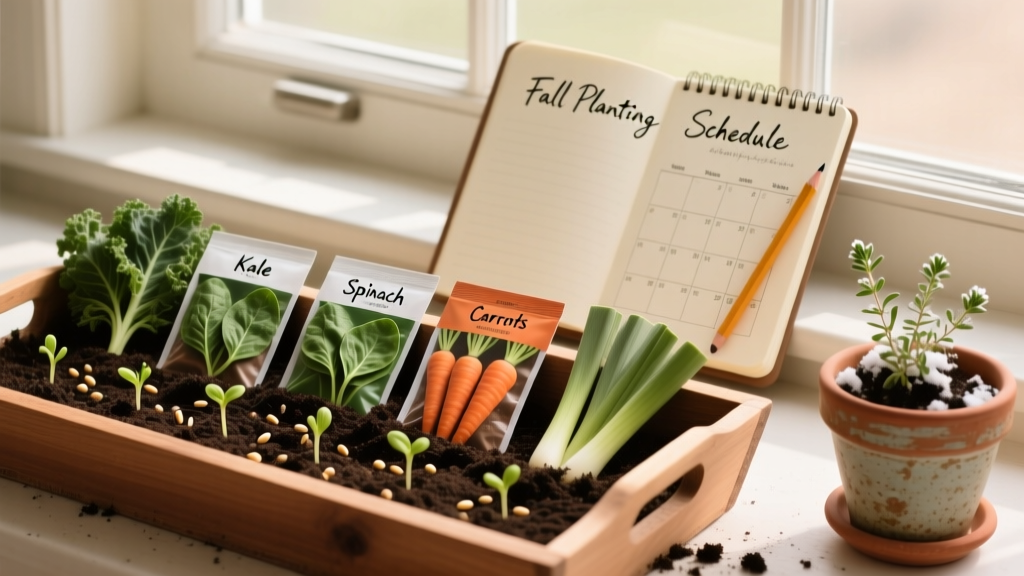
The Ultimate Fall Planting Schedule for Winter Harvests
James MillerPublished
Why Fall is the Secret Season for Garden-to-Table Harvests
When the sweltering heat of summer begins to break and the evenings grow crisp, many home gardeners mistakenly believe the growing season is coming to an end. In reality, autumn offers a second, highly productive planting window that bridges the gap between outdoor gardening and indoor winter cooking. Fall gardening is not just about extending the harvest; it is about capitalizing on the unique environmental conditions that actually improve the flavor of your produce. Cool-season crops like kale, carrots, and Brussels sprouts undergo a biological process where they convert starches into sugars to protect their cells from freezing. This means a frost-kissed vegetable harvested in December will taste remarkably sweeter and more complex than the exact same variety harvested in July.
Bridging the gap between your garden and your kitchen table during the winter months requires precise seasonal timing. Unlike spring planting, where you race against the last frost to get seeds in the ground, fall planting is a calculated countdown to the first frost and the diminishing daylight hours of winter. By mastering your fall planting schedule, you can ensure a continuous supply of fresh, nutrient-dense greens and root vegetables for your winter soups, stews, and roasts, reducing your grocery bill and your carbon footprint simultaneously.
Calculating Your Fall Planting Window
The biggest mistake gardeners make when transitioning to a fall schedule is relying solely on the seed packet’s "days to maturity" without accounting for the changing angle of the sun. As autumn progresses, daylight hours shorten significantly, and temperatures drop, which slows down plant growth. To create an accurate planting schedule, you must first identify your average first frost date. You can pinpoint your exact local frost dates using reliable resources like The Old Farmer’s Almanac Frost Date Calculator. Once you have this date, you can work backward to determine your exact sowing and transplanting windows.
It is also crucial to understand your broader climate zone. The USDA Plant Hardiness Zone Map is an essential tool for understanding your region’s minimum winter temperatures, which will dictate whether your fall crops will merely survive the winter or actively continue to grow under protective covers. In zones 7 and above, many cold-hardy crops can overwinter in the ground with minimal protection, while zones 6 and below will require the strategic use of cold frames and row covers.
The Math Behind the Schedule
To calculate your exact planting date, use the following formula recommended by the National Gardening Association and seasoned horticulturists:
- First Frost Date (Your baseline)
- Minus Days to Maturity (Listed on the seed packet)
- Minus 14 Days (The "Fall Factor" to account for slower growth due to shorter days)
- Minus 14 Days (The harvest window, if you plan to harvest over a period of time rather than all at once)
For example, if your first frost is October 15th, and you are planting a carrot variety that takes 70 days to mature, you subtract 70 days, plus 14 days for the fall factor, plus 14 days for the harvest window. That equals 98 days. Counting back 98 days from October 15th lands you on July 9th. This means you should direct sow those carrots in early to mid-July to ensure a mature harvest before the deep freeze sets in.
The Ultimate Fall Planting Schedule
Below is a structured planting schedule based on the number of weeks before your average first fall frost. This table serves as a master calendar for your garden-to-table winter prep.
| Weeks Before First Frost | Crops to Direct Sow | Crops to Transplant | Garden-to-Table Usage |
|---|---|---|---|
| 10 to 12 Weeks | Carrots, Beets, Parsnips, Rutabagas | Brussels Sprouts, Cabbage, Broccoli | Winter root roasts, hearty stews, fermented sauerkraut |
| 8 to 10 Weeks | Swiss Chard, Kale, Collard Greens, Turnips | Cauliflower, Leeks, Endive | Sauteed winter greens, quiches, braised side dishes |
| 6 to 8 Weeks | Spinach, Arugula, Radishes, Lettuce | Hardy Scallions, Garlic (for overwintering) | Fresh winter salads, quick pickles, soup garnishes |
| 4 to 6 Weeks | Cover crops (Crimson Clover, Winter Rye) | Shallots, Overwintering Onions | Soil amendment, spring allium harvests |
Soil Preparation for Cool-Season Crops
Before you sow a single seed for your fall garden, you must rejuvenate the soil that was likely depleted by heavy summer feeders like tomatoes and corn. Fall crops, particularly leafy greens and brassicas, are heavy nitrogen consumers. Begin by clearing away spent summer crops and any diseased plant matter. Amend the beds with a generous two-inch layer of finished compost and a balanced organic fertilizer, such as a 5-5-5 NPK blend.
For root crops like carrots and parsnips, avoid high-nitrogen amendments or fresh manure, as excess nitrogen will cause the roots to fork and become hairy. Instead, work in bone meal or a phosphorus-rich amendment to encourage strong, straight taproots. Mulching is another critical component of fall soil prep. A three-inch layer of straw or shredded leaf mulch will help retain soil moisture during the often-dry early autumn weeks and will slowly break down to feed the soil ecosystem throughout the winter.
Crop-Specific Timing and Culinary Uses
Brassicas (Kale, Cabbage, Brussels Sprouts): These are the workhorses of the winter garden. Brussels sprouts require a long growing season and should be transplanted in mid-to-late summer. The flavor of Brussels sprouts is vastly improved after they experience at least two hard frosts. Harvest them from the bottom of the stalk upward as they reach the size of marbles. In the kitchen, halve and roast them with balsamic glaze and pancetta for a classic garden-to-table winter side dish.
Root Vegetables (Carrots, Parsnips, Beets): Direct sow these crops deeply and keep the seedbed consistently moist until germination. Once the tops die back after a hard freeze, you can leave the roots in the ground and harvest them as needed throughout the winter. Simply pull back the snow and mulch to dig up fresh carrots. Frost-sweetened carrots require little more than a toss in olive oil and a hot oven to caramelize their natural sugars.
Leafy Greens (Spinach, Mache, Claytone): Spinach is incredibly cold-hardy and can survive temperatures down to 15°F without protection. Plant succession crops every two weeks in early autumn to ensure a continuous harvest. Mache (corn salad) is a lesser-known but highly rewarding winter green that forms small, tender rosettes perfect for light, lemon-vinaigrette salads in the dead of winter.
Seasonal Maintenance and Smart Home Integration
As the seasons shift, your garden maintenance routines must adapt. Irrigation needs drop significantly as evaporation slows and autumn rains begin. However, consistent moisture is still vital for seed germination and the establishment of young transplants. This is where smart home integration can bridge the gap between outdoor landscaping and indoor convenience.
Upgrading to a smart irrigation controller, such as the Rachio 3 or Wyze Sprinkler Controller, allows you to automate your watering schedule based on real-time local weather data. These devices connect to your home Wi-Fi and automatically skip watering cycles when rain or freezing temperatures are forecasted, preventing dangerous ice buildup on your garden paths and protecting your plants from root rot.
Automating Frost Protection
For gardeners utilizing cold frames or hoop houses to extend the season well into winter, temperature regulation is critical. A sunny autumn day can quickly overheat a closed cold frame, cooking your winter greens. You can integrate smart home technology by using Wi-Fi-enabled temperature and humidity sensors, such as the Govee or Temp Stick monitors, placed inside your cold frames. These sensors send instant push notifications to your smartphone when internal temperatures exceed 65°F, reminding you to vent the lids.
For a more advanced DIY garden project, pair a smart plug with a small, weatherproof exhaust fan inside your hoop house. Set up an automation routine via your smart home hub (like Apple HomeKit or SmartThings) to automatically trigger the fan when the sensor reads temperatures above your desired threshold. Additionally, integrating solar-powered, dusk-to-dawn LED pathway lights around your winter garden beds not only enhances your outdoor decor but also provides a low level of ambient light that can slightly extend the photosynthetic window for your cold-frame crops during the shortest days of the year.
Conclusion
Mastering the fall planting schedule transforms your garden from a fleeting summer hobby into a year-round source of culinary inspiration. By calculating your frost dates, preparing your soil, and leveraging smart home technology for climate control, you can enjoy the unparalleled taste of winter-harvested produce right at your own kitchen table.
