Home & Garden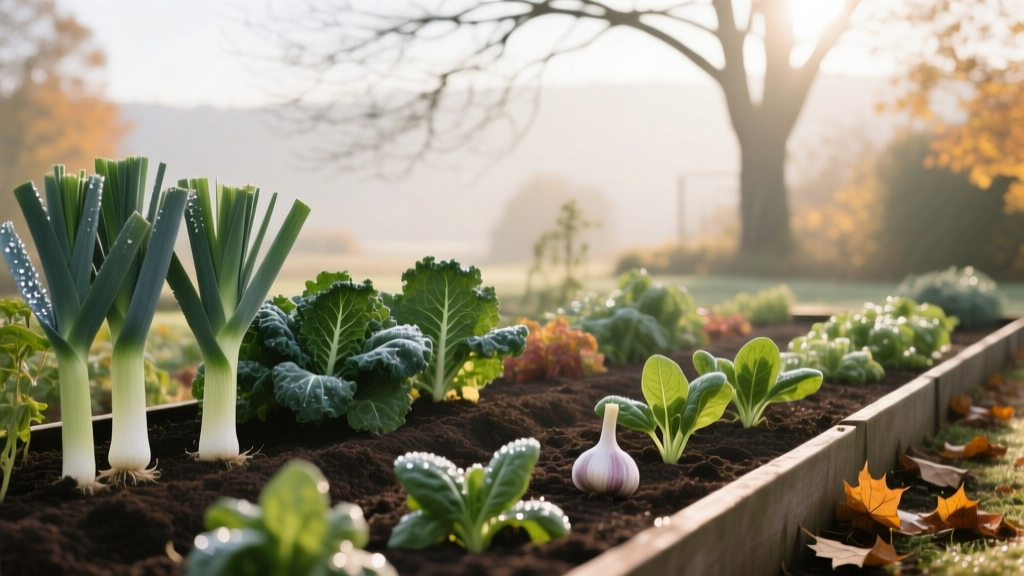
Fall Planting Guide for Spring Garden-to-Table Harvests
David ParkPublished
Bridging the Seasons: The Power of Fall Planting
When most homeowners think of the garden-to-table lifestyle, they envision the vibrant heat of summer: slicing heirloom tomatoes, picking fresh basil, and harvesting zucchini. However, the true secret to a bountiful, early-spring kitchen harvest lies in the crisp, cooling days of autumn. Fall planting is not merely an afterthought to the summer garden; it is a strategic horticultural practice that leverages soil thermal mass and natural cold cycles to produce sweeter, hardier, and more robust crops. By transitioning your outdoor garden prep into the fall, you bridge the gap between seasonal outdoor maintenance and early spring indoor culinary delights.
Overwintering crops benefit from a biological process known as vernalization. Many alliums and root vegetables require a prolonged period of cold temperatures to trigger bulb formation, flowering, or the conversion of starches into natural sugars. When you plant in the fall, the soil is still warm enough to encourage vigorous root establishment before the ground freezes. Once winter sets in, these crops enter a state of dormancy, only to explode with growth at the first hint of spring warmth, often yielding harvests weeks before spring-planted varieties.
The Ultimate Fall Planting Calendar by Hardiness Zone
Timing is the most critical variable in fall planting. Plant too early, and the crops may sprout and exhaust their energy before winter. Plant too late, and the ground may freeze before roots can anchor. According to the USDA Plant Hardiness Zone Map, your specific microclimate dictates your planting window. Cross-referencing your zone with local frost data, such as the tools provided by The Old Farmer's Almanac Frost Date Calculator, ensures optimal timing.
| USDA Hardiness Zone | Average First Frost | Ideal Garlic Planting Window | Best Overwintering Crops |
|---|---|---|---|
| Zones 3-4 | Late Sept - Early Oct | Mid-September | Garlic, Shallots, Spinach |
| Zones 5-6 | Mid Oct - Early Nov | Late Sept - Mid-Oct | Garlic, Carrots, Onions |
| Zones 7-8 | Late Nov - Mid Dec | Late Oct - Late Nov | Garlic, Peas, Fava Beans |
| Zones 9-10 | Rare / No Frost | Nov - Dec | Garlic, Artichokes, Onions |
The general rule of thumb for alliums is to plant them three to four weeks before the ground freezes solid. This allows the clove or set to develop a strong root system without pushing significant green top growth, which is vulnerable to severe winter windburn and ice damage.
Garlic: The King of the Overwintering Garden
No fall planting schedule is complete without garlic. A staple in garden-to-table cooking, garlic is incredibly low-maintenance and yields a high return on investment. Seed garlic typically costs between $25 and $40 per pound, but a single pound can yield 10 to 15 mature heads the following summer.
Hardneck vs. Softneck Varieties
- Hardneck Garlic: Best for Zones 3-6. Varieties like 'Chesnok Red' and 'Music' produce a rigid central scape (which is delicious when sautéed in the spring) and feature complex, spicy flavor profiles. They are highly cold-hardy.
- Softneck Garlic: Ideal for Zones 7-10. Varieties like 'Inchelium Red' and 'Silverskin' lack the central scape, store longer in the pantry, and offer a milder, more traditional garlic taste.
Step-by-Step Planting Instructions
Prepare a raised bed or well-draining garden row by loosening the soil to a depth of 12 inches. Incorporate a balanced organic fertilizer or bone meal (approximately 1 cup per 10 square feet) to provide phosphorus for root development. Break the seed heads into individual cloves, keeping the papery skin intact. Plant each clove 2 inches deep and 6 inches apart, with the pointed end facing up. Rows should be spaced 12 inches apart to allow for spring weeding and airflow.
Sweet Roots: Carrots, Parsnips, and Beets
While garlic is the most famous fall-planted crop, root vegetables are the unsung heroes of the overwintering garden. When subjected to freezing temperatures, root vegetables trigger a survival mechanism that converts their stored starches into sugars, acting as a natural antifreeze. This biological quirk results in the sweetest, most tender carrots and parsnips you will ever taste.
For fall planting, select cold-tolerant varieties. 'Napoli' and 'Bolero' carrots are exceptional for overwintering. Sow seeds densely in late summer to early fall, thinning them to 2 inches apart once they reach a few inches tall. Parsnips, such as the 'Hollow Crown' variety, can be direct-sown in late fall. Unlike carrots, parsnips actually require a cold period to break seed dormancy and improve germination rates in the spring.
Culinary Tip: Leave your fall-planted carrots and parsnips in the ground through the first few hard frosts. Harvest them in early spring just before the ground thaws completely for a remarkably sweet, garden-to-table side dish that pairs perfectly with spring roasts.
Soil Preparation and Smart Irrigation for Winter
Healthy overwintering crops require pristine soil structure. Waterlogged soil is the enemy of fall-planted bulbs and roots, leading to rot and fungal diseases. Before planting, conduct a soil test to ensure your pH is between 6.0 and 7.0. Amend heavy clay soils with coarse compost and aged pine bark to improve drainage.
Irrigation management is equally crucial as the seasons change. Overwatering in late fall can saturate the soil profile right before a deep freeze, causing ice lenses to form and damage plant roots. This is where smart home integration becomes invaluable. Upgrading to a weather-based smart irrigation controller, such as the Rachio 3 or Orbit B-hyve, allows your system to automatically adjust watering schedules based on local weather forecasts and soil moisture data. According to the EPA WaterSense Weather-Based Irrigation Controllers guidelines, these smart devices can save the average home nearly 7,600 gallons of water annually while preventing the dangerous over-saturation of winter garden beds. Be sure to utilize your smart controller's 'seasonal adjust' or 'winterize' features to scale back precipitation percentages as daylight hours shorten and evaporation rates drop.
Protecting Crops from Frost Heave and Winter Desiccation
The transition from fall to winter brings the threat of frost heave—a phenomenon where the repeated freezing and thawing of soil moisture causes the ground to expand and contract, literally pushing shallow-rooted plants out of the earth. To combat this, a thick layer of mulch is mandatory.
Wait until the ground has experienced its first hard freeze before applying mulch. If you mulch too early, you risk trapping residual autumn heat in the soil, which can encourage premature sprouting or harbor rodents looking for a warm winter nest. Once the ground is frozen, apply a 4-to-6-inch layer of seed-free straw or shredded autumn leaves over your garlic and root vegetable beds. This insulating blanket keeps the soil temperature stable, preventing the freeze-thaw cycle that causes frost heave.
For leafy overwintering crops like spinach or mâche (corn salad), consider installing low tunnels using PVC hoops and Agribon-19 frost blankets. These lightweight, spun-bonded fabrics allow sunlight and rain to penetrate while raising the ambient temperature around the plants by 4 to 6 degrees Fahrenheit. This simple DIY garden project ensures you can step outside and harvest fresh, vibrant greens for your winter salads, even when snow is on the ground.
Conclusion: Setting the Stage for Spring
Embracing the seasonal timing of fall planting transforms your garden from a dormant winter landscape into a hidden engine of spring productivity. By understanding the biological needs of vernalization, utilizing smart irrigation to manage soil moisture, and protecting your crops from the extremes of winter weather, you set the stage for an abundant garden-to-table harvest. When your neighbors are just beginning to till their soil and order seeds in the spring, your garlic scapes will already be shooting up, and your sweet, frost-kissed carrots will be ready for the kitchen, proving that the best spring harvests are born in the autumn.
