Lawn Care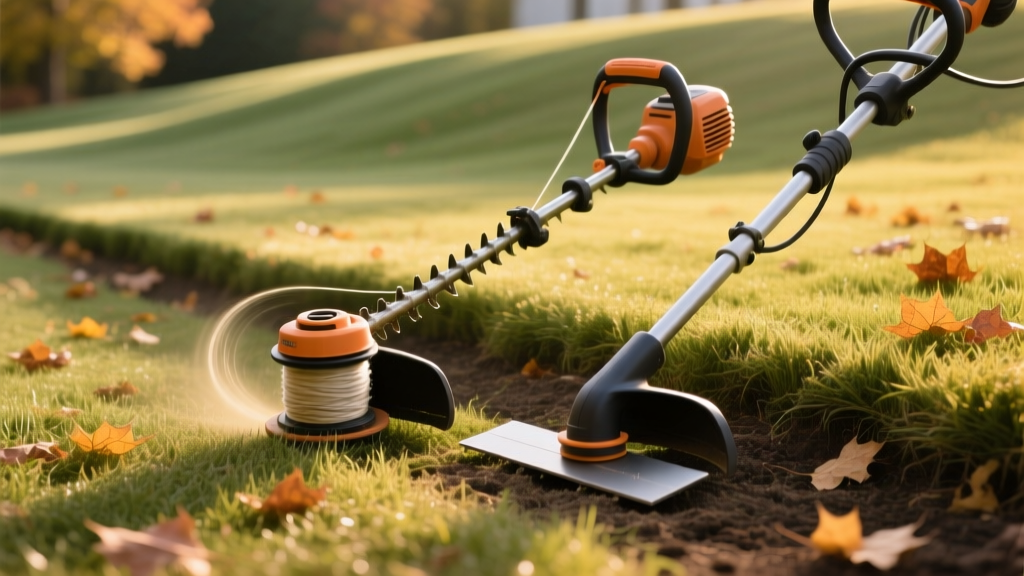
String Trimmer Vs Edger: 2026 Fall Lawn Border Guide
Mike RodriguezPublished
Fall lawn care often brings to mind images of raking leaves, aerating compacted soil, and spreading winterizer fertilizer. However, one of the most visually impactful tasks you can perform before winter sets in is redefining your lawn borders. As the growing season winds down in late autumn, the edges of your turfgrass tend to blur, creeping over sidewalks, driveways, and garden beds. This is where the great debate of string trimmer vs edger comes into play. For homeowners preparing their landscapes for the 2026 winter dormancy period, understanding the distinct roles of these two outdoor power equipment (OPE) staples is essential for achieving that pristine, professional-grade curb appeal.
Let us dive deep into the mechanical differences, the specific fall applications, and the latest 2026 battery-powered innovations that are changing how we approach lawn border maintenance.
The Core Differences: String Trimmer vs. Lawn Edger
While often stored side-by-side in the garage and occasionally confused by novice gardeners, string trimmers and lawn edgers serve fundamentally different purposes in landscape management.
The String Trimmer
A string trimmer (often referred to by the brand name Weed Eater) utilizes a rapidly spinning monofilament line to cut through vegetation. The flexible nature of the line makes it incredibly versatile. It excels at chopping down tall, overgrown weeds, clearing thick patches of grass around tree trunks, and navigating uneven terrain where a rigid blade might strike a rock or root. However, because the cutting medium is flexible, it is notoriously difficult to maintain a perfectly straight, vertical line. When used for edging, a string trimmer often results in a slightly scalloped or uneven border, especially if the user's hands are not perfectly steady.
The Dedicated Lawn Edger
A lawn edger, on the other hand, is a specialized tool designed for one specific task: creating crisp, 90-degree angles between your turf and hardscapes. Edgers utilize a rigid metal blade (either a flat star blade or a serrated edge) that spins vertically or horizontally to slice through soil, roots, and grass alike. Most dedicated edgers feature a guide wheel that rides along the sidewalk or driveway, ensuring a perfectly consistent depth and straight line. In the context of fall lawn care, the edger is your trenching tool, meant to re-establish the physical boundary that summer growth has obscured.
Why Fall Border Maintenance Matters
You might wonder why edging is so critical in the autumn. According to turfgrass experts at the University of Minnesota Extension, fall is the time to prepare your lawn for winter survival and spring recovery. While their primary focus is often on soil health and mowing heights, the physical boundaries of your lawn play a crucial role in overall landscape health and aesthetics.
During the summer months, aggressive grass species like Kentucky Bluegrass and Bermudagrass send out rhizomes and stolons that aggressively colonize adjacent flower beds and crack into sidewalk crevices. By the time autumn arrives, these borders are completely overgrown. If you fail to trench and clean these edges before the first hard freeze, the encroaching grass will die off in the hardscape cracks, leaving behind decaying organic matter that invites pests and makes spring cleanup a nightmare. Redefining your borders in the fall creates a clean physical barrier, making it easier to apply fall pre-emergents and winterizers without overspraying onto your ornamental plants.
2026 Battery OPE Technology: A New Era of Edging
The outdoor power equipment market has undergone a massive shift. By 2026, the dominance of gas-powered trimmers and edgers in residential spaces has largely evaporated, replaced by high-voltage lithium-ion platforms. The latest 80V and 120V battery systems offer torque that rivals or exceeds 25cc gas engines, but without the noise, fumes, or winterization headaches.
Modern 2026 brushless motors feature AI-driven load sensing, which automatically adjusts the RPM based on the density of the grass and soil. This means when your edger hits a thick mat of autumn roots along a driveway edge, the tool instantly delivers more power without bogging down. Furthermore, advancements in battery thermal management allow these tools to operate efficiently even in the crisp, chilly air of late November, a common complaint with older battery generations.
Tool Comparison Chart: Fall Border Maintenance
| Feature | String Trimmer | Dedicated Lawn Edger |
|---|---|---|
| Primary Fall Use | Clearing overgrown weeds, trimming around obstacles | Trenching, redefining hardscape borders |
| Cutting Mechanism | Flexible monofilament nylon line | Rigid steel blade (flat or serrated) |
| Edge Quality | Soft, slightly uneven, requires high skill for straight lines | Crisp, 90-degree professional trenches |
| Guide System | None (relies on user balance and edging attachments) | Built-in guide wheel for tracking along concrete |
| Soil Penetration | Poor (line deflects off dirt and rocks) | Excellent (slices through compacted soil and roots) |
| 2026 Avg. Price | $180 - $350 (Premium Battery Kits) | $220 - $400 (Premium Battery Kits) |
Step-by-Step Fall Border Cleanup Strategy
To achieve the best results for your 2026 autumn landscape, follow this systematic approach to border maintenance.
Step 1: Clear the Autumn Debris
Before firing up any power tools, use a leaf blower or a stiff-bristled broom to clear fallen leaves, acorns, and twigs away from the edges of your driveways and garden beds. Debris can hide the true edge of the concrete and cause your edger blade to kick back dangerously.
Step 2: Trench and Redefine with the Edger
Set your dedicated edger to a depth of about 3 to 4 inches. Walk at a steady, moderate pace along the perimeter of your hardscapes. The guide wheel should ride directly on the concrete or asphalt. This step will slice through the summer's overgrowth and carve out a fresh, clean trench. The soil and grass clumps excavated by the blade will be thrown onto the lawn.
Step 3: Remove the Spoil
Use a flat-nosed shovel or a specialized border spade to scoop the excavated soil and grass clumps out of the newly cut trench. Dispose of this material in your compost bin or yard waste bag. Leaving the spoil in the trench will allow the grass to quickly re-root, negating your hard work.
Step 4: Detail with the String Trimmer
Once the primary borders are established, switch to your string trimmer. Use it to clean up any remaining tufts of grass clinging to the edges of the trench, and to trim around irregular landscape features like boulders, mailbox posts, and ornamental trees where the rigid edger cannot reach.
Top 2026 Equipment Recommendations
If you are upgrading your arsenal for the current season, here are the top-performing tools dominating the 2026 market.
EGO Power+ 15-Inch Carbon Fiber String Trimmer (ST1521S)
EGO continues to lead the pack in 2026 with their carbon fiber shaft technology, which drastically reduces user fatigue during long fall cleanup sessions. The 15-inch cutting swath and rapid-load line system make quick work of overgrown autumn weeds. Paired with their 56V ARC Lithium battery, it offers exceptional runtime even in dropping temperatures.
Greenworks Pro 80V 9-Inch Brushless Edger
For dedicated edging, the Greenworks Pro 80V platform is a standout. The 9-inch serrated blade cuts through thick, wet fall clay with ease. The adjustable guide wheel and auxiliary handle provide the stability needed to carve perfectly straight lines along long driveway runs.
Milwaukee MX FUEL Edger
For those with large properties or professional needs, Milwaukee's MX FUEL system offers unmatched torque. While it sits at a higher price point, the ability to trench through heavily compacted, root-bound soil without stalling makes it a favorite for severe border rehabilitation.
Environmental and Safety Considerations
When redefining borders in the fall, it is vital to protect your underground infrastructure. Always call your local utility marking service before trenching deeper than a few inches. Furthermore, be mindful of shallow irrigation lines and sprinkler heads, which are particularly vulnerable to edger blades.
Additionally, the Clemson University Home & Garden Information Center emphasizes the importance of keeping turfgrass out of storm drains and waterways. When edging near streets, ensure that the soil spoil is collected and composted rather than swept into the gutter, where it can contribute to nutrient pollution in local water systems during heavy autumn rains.
Conclusion
The debate of string trimmer vs edger is not really a debate at all; rather, it is a matter of recognizing that these tools are complementary partners in your fall lawn care routine. The edger is the heavy lifter, the trench-digger that re-establishes the architectural lines of your landscape. The string trimmer is the detailer, the versatile cleaner that polishes the edges and handles the irregular obstacles. By leveraging the latest 2026 battery technology and following a disciplined autumn maintenance strategy, you can ensure your lawn borders remain sharp, healthy, and visually stunning, even as the grass enters its winter dormancy.