
Landscaping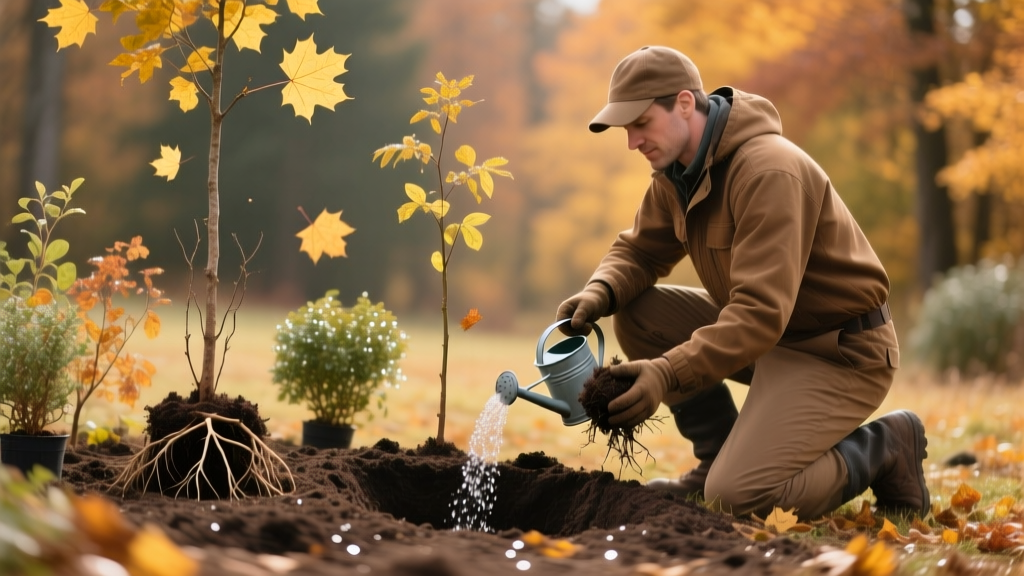
The Complete Fall Tree and Shrub Planting Schedule Guide
David ParkPublished
When homeowners think of landscaping and garden renovation, spring usually steals the spotlight. Nursery aisles are packed, and the sudden burst of warm weather inspires weekend digging. However, professional landscapers, horticulturists, and certified arborists know a well-kept industry secret: autumn is the undisputed champion of the planting calendar. While spring planting forces new trees and shrubs to simultaneously push out fragile foliage and establish roots in the face of impending summer heat and drought, fall planting shifts the biological priority entirely to root development.
Understanding the seasonal timing and planting schedules for woody ornamentals can save you hundreds of dollars in replacement costs, reduce your water bill, and prevent years of stunted growth. This comprehensive guide breaks down the exact timeline, soil preparation metrics, watering schedules, and budgeting tips you need to establish a thriving, resilient landscape before the ground freezes solid.
The Science Behind Fall Planting Schedules
The primary advantage of autumn planting lies in soil temperature dynamics and plant physiology. Even as air temperatures drop and deciduous plants enter dormancy, shedding their leaves to conserve energy, the soil remains remarkably warm from the long summer months. According to the University of Minnesota Extension, roots continue to grow and establish themselves until soil temperatures drop below 45°F (7°C). In many temperate zones, this provides a solid two-to-three-month window for massive root expansion without the metabolic stress of supporting a full canopy of leaves.
Furthermore, fall typically brings increased rainfall, lower evaporation rates, and fewer pest pressures. This natural irrigation reduces the burden on the homeowner and helps settle the soil around the root ball, eliminating dangerous air pockets that can desiccate tender feeder roots during harsh winter winds. The carbohydrates produced during the late summer are directed downward, building a robust anchor system that will support explosive top growth the following spring.
Evergreen vs. Deciduous Timing
Not all plants follow the exact same autumn schedule. Broadleaf and needled evergreens retain their foliage year-round, meaning they continue to lose moisture through transpiration even in the dead of winter. Therefore, evergreens require an earlier planting window to establish enough roots to sustain winter moisture loss. Deciduous trees and shrubs, which drop their leaves and go fully dormant, can be planted much later in the season, right up until the ground becomes too hard to dig.
Zone-by-Zone Fall Planting Timeline
Timing is everything. Planting too early in the fall can expose plants to late-summer drought stress, while planting too late risks frost heave and winter desiccation. Use the following schedule to pinpoint your ideal planting window based on your USDA Hardiness Zone.
| USDA Hardiness Zone | Evergreen Planting Window | Deciduous Planting Window | First Frost Consideration |
|---|---|---|---|
| Zones 3-4 (Cold) | Mid-August to Mid-September | September to Early October | Plant at least 6 weeks before ground freeze |
| Zones 5-7 (Temperate) | Early September to Mid-October | October to Late November | Ideal conditions; long establishment window |
| Zones 8-10 (Warm) | October to November | November through February | Winter is the primary planting season |
Step-by-Step Planting Protocol and Measurements
Site Preparation and Soil Testing
Before purchasing any plant, conduct a percolation test and a basic soil pH test. Most ornamental trees prefer a pH between 6.0 and 7.0. If your soil is heavy clay, avoid the outdated practice of amending only the backfill soil with rich compost or peat moss. The Arbor Day Foundation strongly recommends using the native soil you dug out of the hole as your primary backfill. Amending only the hole creates a 'bathtub effect,' where water pools in the loose, porous amended soil and drowns the root system, especially in heavy clay environments.
Digging the Hole: Width vs. Depth
The most common and fatal landscaping mistake is digging a hole that is too deep and too narrow. Your hole should be two to three times wider than the root ball to break up compacted soil and encourage lateral root spread. However, the depth must be exactly the same as the root ball, or even slightly shallower. In poorly draining clay soils, planting the root ball one to two inches above grade and mounding soil up to the edges is a proven technique to ensure adequate oxygen exchange and prevent crown rot.
Locating the Root Flare
The root flare—the critical area where the trunk expands at the base and transitions into the structural roots—must be fully visible above the soil line. Nursery-grown trees are frequently buried too deeply in their containers or burlap wraps. You must carefully brush away the top layer of soil from the root ball before planting to expose this flare. Burying the root flare leads to girdling roots, which eventually strangle the tree's vascular system, and invites fatal trunk rot. This is a mistake that may not manifest visibly until five to ten years after planting.
The Fertilizer Myth: What to Feed in Autumn
A widespread misconception is that newly planted trees need a heavy dose of fertilizer to survive the winter. Applying high-nitrogen synthetic fertilizers in the fall is highly detrimental. Nitrogen stimulates tender, green top growth that will not have time to harden off before the first freeze, resulting in severe winter dieback. Instead, focus on root health. Incorporate a mycorrhizal fungi inoculant or a slow-release, high-phosphorus organic amendment like bone meal into the backfill. These additions stimulate root hair development and improve nutrient uptake without forcing vulnerable foliage growth.
The Fall and Winter Watering Schedule
Another frequent misconception is that cool fall rains negate the need for supplemental watering. While natural precipitation helps, newly planted trees lack the established root mass to capture it efficiently. Follow this strict watering schedule to ensure survival:
- Weeks 1-2 (Post-Planting): Water deeply every other day. Apply 2 to 3 gallons of water per inch of trunk caliper (measured at knee height) to keep the root ball consistently moist but not waterlogged.
- Weeks 3-8: Transition to watering twice a week, increasing the volume to 5 gallons per inch of caliper. This deep, infrequent watering encourages roots to grow downward in search of moisture.
- Late Fall (Pre-Dormancy): Give all newly planted evergreens and deciduous trees one massive, deep soaking right before the ground freezes solid. This winterizes the plant and prevents 'winter burn' caused by dry, freezing winds pulling moisture from dormant tissues.
Mulching Metrics: Avoiding the Volcano
Mulch acts as an insulating blanket, regulating soil temperature, suppressing weeds, and retaining crucial moisture. However, improper application is a leading cause of urban tree mortality. Never pile mulch against the trunk—a destructive practice known as 'volcano mulching.' This traps moisture against the bark, inviting fungal pathogens, rot, and rodent damage during the winter months.
Apply a 2-to-4-inch layer of organic mulch, such as shredded hardwood or pine bark, in a wide ring around the tree extending to the drip line if possible. Keep the mulch at least three to four inches away from the trunk flare to allow the bark to breathe and dry properly.
Budgeting for Fall Landscaping Projects
Planning your budget requires understanding the cost differences between plant types, sizes, and installation methods. Autumn is also an excellent time to capitalize on end-of-season nursery sales, where high-quality stock can be discounted by 30% to 50%. Here is a breakdown of average costs for a standard residential fall planting project.
| Material or Service | Estimated Cost | Project Notes |
|---|---|---|
| 15-Gallon Container Tree | $80 - $150 | Lighter, easier to handle, faster root establishment. |
| Balled and Burlapped (B&B) Tree | $250 - $600+ | Very heavy, requires machinery, provides instant landscape impact. |
| Premium Hardwood Mulch (Cubic Yard) | $40 - $70 | Covers approx. 100 sq ft at a 3-inch depth. |
| Mycorrhizal Root Inoculant | $25 - $45 | Highly recommended for fall transplanting success. |
| Anti-Desiccant Spray (for Evergreens) | $15 - $30 | Apply in late November to prevent winter moisture loss. |
| Professional Installation (Per Tree) | $150 - $350 | Includes labor, equipment, soil prep, and warranty. |
Final Thoughts on Seasonal Timing
Transitioning your landscaping efforts to the autumn months aligns your labor with the natural biological rhythms of woody plants. By adhering to this fall planting schedule, respecting the root flare, avoiding high-nitrogen fertilizers, and maintaining a disciplined winter watering regimen, you will cultivate a robust, deeply rooted landscape capable of thriving for decades. The patience and precision you exercise in the cool, crisp days of October will be richly rewarded with explosive, resilient growth when the following spring finally arrives.

