Lawn Care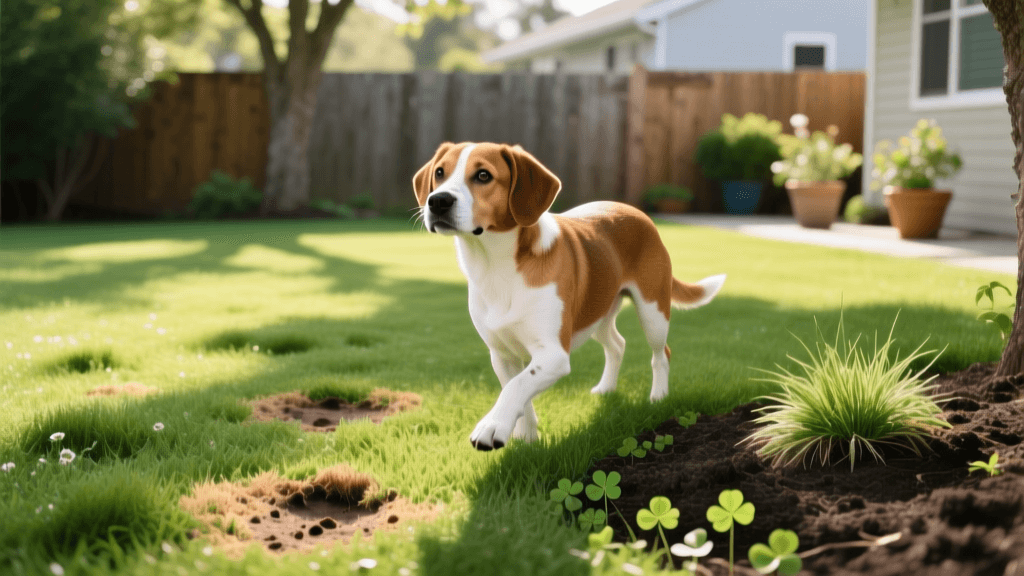
Pet-Safe Lawn Care: Fixing And Preventing Urine Spots
The Real Culprit: Nitrogen Overload, Not pH
For families sharing their yard with a beloved dog, maintaining a lush, green lawn can feel like an impossible battle. The most common enemy of a family-friendly yard is the dreaded dog urine spot—characterized by a brown, dead center surrounded by a ring of unusually dark green, fast-growing grass. A widespread myth suggests that the high acidity of dog urine causes this damage, leading many well-meaning pet owners to add tomatoes or baking soda to their dog's diet. However, according to the Colorado State University Extension, the true culprit is nitrogen overload, not pH imbalance.
Dog urine is naturally high in nitrogen, a byproduct of protein breakdown. When a dog urinates, it deposits a massive, concentrated dose of nitrogen into a small area. While nitrogen is a primary ingredient in lawn fertilizers, this localized overdose essentially "burns" the grass roots, causing the brown necrotic center. The dark green ring around the spot is simply the grass benefiting from a perfectly diluted, beneficial dose of nitrogen at the periphery. Furthermore, female dogs and older male dogs tend to squat, depositing their entire bladder volume in one concentrated spot, which causes significantly more damage than male dogs who mark vertically on trees or posts.
Choosing the Right Pet-Friendly Grass
If you are overseeding or installing a new lawn, selecting a grass type that can withstand high traffic and rapid nitrogen fluctuations is crucial for a family-friendly yard. Not all turfgraces are created equal when it comes to pet resilience.
| Grass Type | Climate Zone | Wear Tolerance | Urine Recovery Rate |
|---|---|---|---|
| Perennial Ryegrass | Cool-Season | High | Fast (germinates quickly to fill spots) |
| Tall Fescue | Cool-Season | High | Moderate (deep roots resist minor burns) |
| Bermudagrass | Warm-Season | Very High | Very Fast (spreads via stolons and rhizomes) |
| Kentucky Bluegrass | Cool-Season | Moderate | Slow (requires overseeding to repair) |
| Zoysiagrass | Warm-Season | High | Slow (dense mat resists penetration but heals slowly) |
For cool-season lawns, a mix of Tall Fescue and Perennial Ryegrass offers the best balance of durability and rapid repair. For warm-season climates, Bermudagrass is the undisputed champion of high-traffic, pet-heavy yards due to its aggressive lateral growth.
Step-by-Step Guide to Repairing Brown Spots Safely
When brown spots appear, avoid the temptation to dump synthetic, high-nitrogen fertilizers on the area, which will only exacerbate the burn. Instead, follow this pet-safe, family-friendly repair protocol.
1. Rake and Remove Dead Grass
Use a stiff metal rake to aggressively scratch the surface of the brown spot. Remove all dead thatch and debris until you reach bare soil. This ensures good seed-to-soil contact, which is vital for germination.
2. Flush the Soil
Before applying any amendments, deeply water the spot. Apply at least 2 to 3 gallons of water directly to the damaged area to leach the excess nitrogen salts down past the root zone. Do this immediately after noticing the spot for the best results.
3. Apply a Pet-Safe Soil Amendment
To neutralize the residual salts and improve soil structure, apply a pet-safe soil amendment. Avoid synthetic chemical neutralizers, which can be toxic to paws. Instead, use organic gypsum or humic acid.
| Amendment | Purpose | Application Rate | Estimated Cost |
|---|---|---|---|
| Espoma Organic Gypsum | Loosens compacted soil, flushes out sodium and excess salts | 2 lbs per 10 sq ft | $15 for 40 lb bag |
| Humic Acid Granules | Chelates nutrients, reduces salt stress, promotes root growth | 1 lb per 100 sq ft | $25 for 5 lb bag |
4. Overseed and Top-Dress
Sprinkle a high-quality, pet-safe grass seed over the bare soil. For cool-season lawns, Jonathan Green Black Beauty Ultra is an excellent choice due to its deep root growth and disease resistance (approx. $30 for a 3 lb bag). Lightly cover the seed with 1/4 inch of organic compost or peat moss to retain moisture. Water lightly twice a day for 10-14 days until the new grass reaches 2 inches in height. According to the University of Minnesota Extension, keeping the seed consistently moist is the single most important factor in successful bare spot repair.
Preventative Strategies for a Family-Friendly Yard
Repairing spots is labor-intensive. Implementing preventative yard management strategies will save you time, money, and frustration while keeping your yard safe for children and pets.
Establish a Designated Potty Zone
The most effective long-term solution is to train your dog to use a specific area of the yard. Choose a discreet corner or side yard and fill it with dog-friendly landscaping materials like pea gravel, cedar mulch, or artificial turf. When your dog urinates in the designated zone, reward them with high-value treats. Over time, this protects your primary play lawn from nitrogen burns entirely.
The "Chaser" Water Method
If your dog roams the whole yard, keep a watering can near the back door. Immediately after your dog urinates, pour a gallon of water over the spot. This simple, chemical-free habit dilutes the nitrogen before it can burn the grass roots, turning a potential brown spot into a natural fertilizer event.
Dietary Adjustments and Hydration
Never alter your dog's diet without consulting a veterinarian. However, encouraging your dog to drink more water will naturally dilute their urine. Consider adding pet-safe bone broth to their water bowl or feeding a wet-food diet to increase their overall moisture intake, which results in less concentrated nitrogen deposits on your lawn.
Pet-Safe Fertilizers and Weed Control
A truly family-friendly yard extends beyond urine spots; it also involves rethinking how you fertilize and treat weeds. Synthetic herbicides and pesticides pose significant risks to pets and children who play directly on the grass. The Environmental Protection Agency (EPA) strongly advises caution when using chemical lawn treatments around pets, noting that animals can absorb toxins through their paw pads or ingest them while grooming.
Organic Fertilizer Alternatives
Swap out synthetic, quick-release fertilizers for slow-release organic options. Products made from feather meal, poultry manure, or kelp provide a steady stream of nutrients that won't burn the lawn if a dog urinates on top of them. Note of caution: While Milorganite is a popular organic fertilizer, its strong odor can attract dogs, leading them to dig up or eat the lawn. Opt for plant-based or heavily composted organic fertilizers like Espoma Organic Lawn Food instead.
Natural Weed Prevention
For pre-emergent weed control, Corn Gluten Meal is a fantastic, 100% pet-safe alternative to synthetic chemicals like pendimethalin. Applied in early spring just as forsythia bushes bloom, corn gluten meal inhibits weed seeds (like crabgrass and dandelions) from establishing roots. While it does contain some nitrogen, it releases slowly and safely. For existing broadleaf weeds, spot-treat them with horticultural vinegar (20% acidity) on a hot, sunny day, taking care to spray only the weed leaves and not the surrounding turfgrass.
Conclusion
Maintaining a pristine lawn while raising a dog requires a shift in perspective. By understanding the science of nitrogen burns, selecting resilient grass varieties, utilizing organic soil amendments, and implementing smart yard management techniques, you can achieve a beautiful, green landscape. More importantly, you can create a safe, non-toxic outdoor sanctuary where your children and pets can play freely without the risks associated with harsh synthetic lawn chemicals.