Gardening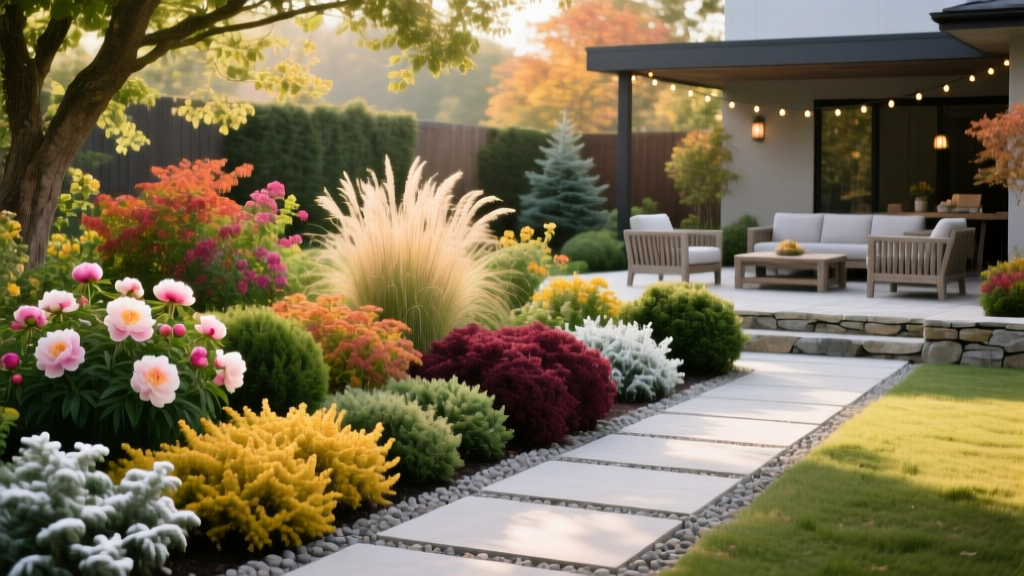
Design a Four-Season Perennial Border for Curb Appeal
Anna KowalskiPublished
The Power of a Four-Season Perennial Border
When it comes to outdoor entertaining and maximizing curb appeal, the view from your patio, deck, or front porch is just as important as the high-end furniture you place on it. A meticulously designed perennial border acts as a living, breathing backdrop that elevates the entire atmosphere of your outdoor gatherings. Unlike annuals that require replanting every spring, a four-season perennial border provides a reliable, evolving canvas of color, texture, and structure that matures and improves year after year. Whether you are hosting a sophisticated evening dinner party or a casual weekend barbecue, the surrounding landscape sets the tone. By strategically selecting plants that offer sequential blooming, striking foliage, and winter architectural interest, you ensure your property remains the neighborhood showpiece no matter the month.
Step 1: Assess Your Site and Hardiness Zone
Before purchasing a single plant, you must understand the unique microclimates of your yard. Observe how sunlight moves across your proposed border throughout the day. Most flowering perennials require full sun, defined as at least six to eight hours of direct sunlight daily. However, areas near fences or large trees may create partial shade zones that require different plant selections. Equally important is knowing your specific climate zone. The USDA Plant Hardiness Zone Map is the gold standard for determining which perennials will survive your region's coldest winter temperatures. Selecting plants rated for your specific zone—or one zone colder—guarantees that your investment will return vigorously each spring, providing a dependable backdrop for your outdoor living spaces.
Step 2: Soil Preparation and Amendment
The foundation of any stunning landscape is its soil. Perennials are long-term residents, so preparing the soil properly before planting is crucial. Begin by conducting a comprehensive soil test through your local university extension office to determine your pH and nutrient levels. Most perennials thrive in slightly acidic to neutral soil, with a pH between 6.0 and 7.0. Once you have your results, amend the native soil generously. For heavy clay soils that drain poorly, incorporate three to four inches of coarse compost and expanded shale to improve aeration. For sandy soils that dry out too quickly, add peat moss or coconut coir to increase water retention. Till or turn the soil to a depth of at least twelve inches, breaking up compaction and allowing roots to establish deeply. A well-prepared bed reduces the need for excessive fertilization and watering, freeing up more time for you to enjoy your outdoor entertaining spaces.
Step 3: Mastering the Art of Layering
To achieve that lush, professional look seen in high-end landscape design magazines, you must master the art of layering. A flat, single-row planting looks sparse and uninspired. Instead, design a border that is at least four to six feet deep, allowing for three distinct layers: the background, the midground, and the foreground. The background layer consists of tall perennials and ornamental grasses that provide privacy and screen unsightly views. The midground is the workhorse of the border, providing the bulk of the seasonal color and mass. The foreground features low-growing, mounding plants that soften the hardscape edges and spill gracefully over retaining walls or pathways.
| Layer | Season of Interest | Plant Selection | Mature Height | Design Function |
|---|---|---|---|---|
| Background | Summer to Fall | Joe Pye Weed (Eutrochium purpureum) | 5 to 7 feet | Provides towering height, privacy, and late-season nectar. |
| Background | Winter | Karl Foerster Feather Reed Grass | 4 to 5 feet | Offers vertical architectural structure and movement in winter winds. |
| Midground | Spring to Early Summer | Bearded Iris (Iris germanica) | 2 to 3 feet | Delivers dramatic, large blooms and striking sword-like foliage. |
| Midground | Mid to Late Summer | Purple Coneflower (Echinacea purpurea) | 2 to 4 feet | Provides vibrant color, drought tolerance, and seedheads for birds. |
| Foreground | Spring to Fall | Walker's Low Catmint (Nepeta faassenii) | 1 to 2 feet | Creates a continuous, billowing edge of soft purple blooms. |
Step 4: Designing for Pollinators and Wildlife
A truly captivating outdoor space is one that feels alive. Incorporating pollinator-friendly plants into your border not only supports vital ecosystems but also brings a dynamic element of butterflies, bees, and hummingbirds to your garden parties. According to the National Wildlife Federation, planting native species is the most effective way to support local wildlife, as native insects have evolved alongside these specific plants. Furthermore, the Xerces Society for Invertebrate Conservation emphasizes the importance of providing continuous bloom from early spring through late fall to sustain pollinator populations. By grouping the same species in odd-numbered drifts of three or five, you create a visually impactful display that is also easier for foraging pollinators to locate. Avoid broad-spectrum pesticides entirely; instead, encourage beneficial insects like ladybugs and lacewings to manage pests naturally, ensuring your entertaining space remains safe and chemical-free for your guests.
Step 5: Integrating Hardscaping and Landscape Lighting
The transition between your perennial border and your patio or lawn is where curb appeal is won or lost. Crisp, defined edges signal a well-maintained property. Install rigid Cor-Ten steel or heavy-duty aluminum landscape edging to create a permanent, invisible barrier that prevents grass from invading your beds and mulch from spilling onto the lawn. For a polished look that complements outdoor entertaining areas, top-dress the beds with a two-to-three-inch layer of premium hardwood mulch or pine straw. Mulch suppresses weeds, retains soil moisture, and provides a rich, dark contrast that makes flower colors pop. To extend your entertaining hours into the evening, integrate low-voltage LED landscape lighting. Use directional spotlights to uplight the dramatic plumes of ornamental grasses, and install subtle path lights along the border's edge to guide guests safely from the driveway to your front door or backyard patio.
Step 6: Seasonal Maintenance for Entertaining Readiness
Maintaining a four-season border requires a shift in mindset from constant manicuring to strategic, seasonal interventions. In early spring, cut back the dried stems of ornamental grasses and late-blooming perennials that provided winter interest, leaving them in place until the threat of hard frost has passed to protect overwintering beneficial insects. As the entertaining season peaks in summer, practice regular deadheading—removing spent blooms—to encourage continuous flowering and maintain a tidy appearance. A pair of sharp, ergonomic bypass pruners is an essential tool for this task. In autumn, resist the urge to over-clean the garden. Leave seedheads on plants like coneflowers and black-eyed Susans to provide crucial winter food for finches and chickadees. Finally, apply a fresh layer of mulch in late fall to insulate the root zones of newly planted perennials against freeze-thaw cycles. By following this rhythmic maintenance schedule, your perennial border will remain a breathtaking, low-stress backdrop for every outdoor gathering you host.
Essential Tools for Border Maintenance
To keep your perennial border looking pristine for every outdoor event, equip yourself with the right tools. High-quality equipment reduces fatigue and ensures clean cuts that promote plant health.
- Japanese Hori Hori Knife: Ideal for dividing perennials, digging small holes, and cutting through stubborn roots.
- Bypass Pruners: Essential for deadheading summer blooms and cutting back delicate stems without crushing the plant tissue.
- Long-Handled Spade: Necessary for edging beds, turning soil, and planting larger gallon-sized perennials.
- Soil Knife and Weeder: Perfect for extracting deep-rooted weeds like dandelions before they disrupt your carefully planned design.
"A garden is not just a collection of plants; it is a stage for life's most memorable moments. When you design with four-season interest in mind, you are building a living theater that enhances every gathering, from quiet morning coffees to grand evening celebrations."
Final Thoughts on Curb Appeal and Entertaining
Investing time and resources into a four-season perennial border is one of the most rewarding home improvement projects you can undertake. It bridges the gap between functional outdoor living and high-end curb appeal, creating a seamless flow between your home's architecture and the natural world. By carefully selecting layered, native, and pollinator-friendly plants, and by defining the space with crisp hardscaping and strategic lighting, you transform your yard into a premier destination for friends and family. Your garden will no longer just be a space you look at; it will be an immersive environment that elevates every occasion, proving that true curb appeal is best experienced from the center of the patio, surrounded by the beauty of nature.
