Gardening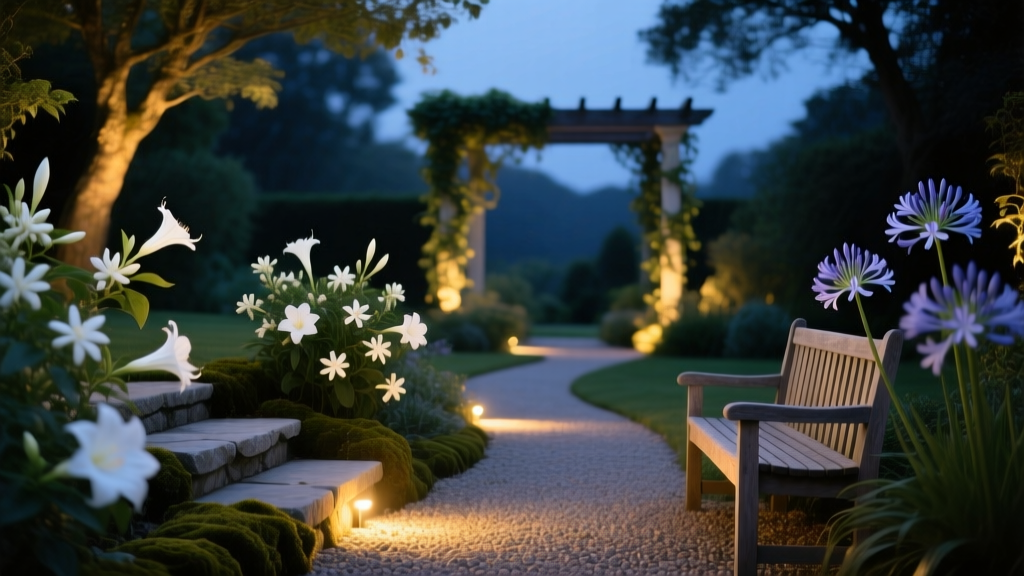
Design a Fragrant Evening Garden for Outdoor Entertaining
Anna KowalskiPublished
Transforming Your Landscape for Evening Entertaining
When most homeowners think about curb appeal, they picture vibrant daytime blooms, manicured lawns, and sunlit walkways. However, as the sun sets, your outdoor space has the potential to transform into a captivating, multi-sensory venue for evening entertaining. Designing a fragrant evening garden not only boosts your home's aesthetic value but also creates an unforgettable ambiance for hosting dinner parties, twilight gatherings, and quiet nights under the stars.
An evening garden relies on a strategic combination of night-blooming flora, reflective foliage, ambient lighting, and comfortable hardscaping. By shifting your gardening focus to the twilight hours, you can extend the usability of your outdoor living space and create a seamless transition between indoor comfort and outdoor beauty. In this comprehensive guide, we will explore the best plants, layout strategies, and lighting techniques to craft the ultimate evening entertainment garden.
The Magic of the Night Garden
Night gardens engage the senses in ways that daytime landscapes cannot. Without the visual dominance of bright sunlight, your sense of smell becomes heightened. Many plants have evolved to release their most potent fragrances at dusk to attract nocturnal pollinators like moths and bats. Furthermore, flowers in shades of white, pale yellow, and soft pink act as natural reflectors, catching the moonlight and subtle landscape lighting to create a glowing, ethereal effect.
'A well-designed night garden doesn't just look beautiful; it creates an immersive experience. The combination of evening primrose, moonflowers, and warm pathway lighting turns a standard backyard into a luxurious retreat for evening entertaining.'
Top Night-Blooming and Fragrant Plants
Selecting the right botanical specimens is the foundation of your evening oasis. You want plants that either open their blooms at dusk or release heavy, sweet fragrances as the temperature drops. According to the Royal Horticultural Society (RHS), incorporating night-scented plants near seating areas and entryways maximizes their impact on guests.
| Plant Name | Bloom Time | Fragrance Profile | Light & Soil Needs |
|---|---|---|---|
| Moonflower (Ipomoea alba) | Dusk to Dawn | Sweet, lemony, delicate | Full sun, well-draining loam |
| Night-Blooming Jasmine (Cestrum nocturnum) | Night | Intensely sweet, heavy | Partial shade, rich soil |
| Evening Primrose (Oenothera biennis) | Late afternoon | Mild, sweet, citrusy | Full sun, drought-tolerant |
| Angel's Trumpet (Brugmansia) | Evening/Night | Strong, fruity, floral | Partial shade, moist soil |
| Flowering Tobacco (Nicotiana sylvestris) | Dusk | Jasmine-like, potent | Full sun to part shade |
The University of Florida IFAS Extension highly recommends the Moonflower for evening trellises. This vigorous vine produces massive, 5-inch white blooms that unfurl in a matter of minutes at dusk, providing a stunning visual spectacle for your guests. Plant moonflower seeds indoors 4-6 weeks before the last frost, or sow directly outdoors once soil temperatures consistently reach 65°F.
Hardscaping and Layout for Entertaining
To properly host guests, your garden must be functional. The layout should naturally guide visitors from the entryway to the primary entertaining zone.
- The Patio Zone: For a standard 6-person dining set and a small lounge area, allocate a minimum hardscape footprint of 12x14 feet. Use materials like natural flagstone or stamped concrete, which retain a bit of warmth from the day and release it slowly into the evening air.
- Pathway Design: Walkways should be at least 36 inches wide to allow two guests to walk side-by-side comfortably. Line these paths with low-growing, fragrant groundcovers like creeping thyme or sweet alyssum, which release their scent when gently brushed against.
- Seating Nooks: Create secondary, intimate seating areas using curved wooden benches or wrought-iron bistro sets tucked into garden alcoves. Position these near your most fragrant plants, such as Night-Blooming Jasmine, to envelop guests in the aroma.
Container Gardening and Soil Preparation
Large container gardens are an excellent way to frame an entertaining space, add vertical height, and introduce tropical night-bloomers to cooler climate zones. When designing for curb appeal and patio framing, opt for oversized planters—at least 24 inches in diameter and depth. A high-quality fiberglass or glazed ceramic planter in this size typically costs between $120 and $250, but it provides a striking, architectural anchor for your space.
The Ultimate Evening Garden Potting Mix
Night-blooming plants are often heavy feeders and require excellent drainage to prevent root rot, especially when watered frequently in the heat of summer. Create a custom potting mix using the following ratio:
- 60% Premium Potting Soil: Provides the base structure and moisture retention.
- 20% Organic Compost: Supplies slow-release nutrients and beneficial microbes.
- 20% Coarse Perlite or Pumice: Ensures rapid drainage and oxygen flow to the roots.
Top-dress your containers with a 1-inch layer of cedar mulch. Not only does this retain moisture and regulate soil temperature, but cedar also naturally repels certain insects, keeping your entertaining space more comfortable.
Lighting Techniques for Ambiance and Safety
Lighting is arguably the most critical element of an evening garden. The goal is to create a soft, inviting glow that highlights your landscaping without causing harsh glare or contributing to light pollution. DarkSky International recommends using warm-colored LEDs and fully shielded fixtures to protect the night environment while enhancing human visibility and comfort.
Key Lighting Strategies:
- Color Temperature: Stick to warm white bulbs ranging from 2200K to 2700K. This mimics the warm glow of firelight and candlelight, making skin tones look better and creating a relaxing atmosphere.
- Uplighting Trees: Place well lights at the base of specimen trees or large architectural shrubs to cast dramatic shadows and draw the eye upward, making the space feel larger.
- Pathway Illumination: Use low-voltage bollard lights or stake lights spaced 6 to 8 feet apart along walkways. Ensure the light is directed downward onto the path to prevent blinding your guests.
- String Lights: For the primary patio dining area, hang commercial-grade, shatterproof LED string lights in a zigzag pattern 8 to 10 feet above the seating area. This creates a 'ceiling' effect that makes outdoor spaces feel cozy and enclosed.
Companion Planting for Natural Pest Control
Nothing ruins an evening garden party faster than a swarm of mosquitoes. While citronella candles are a common fix, integrating pest-repelling companion plants into your garden design offers a more elegant and sustainable solution.
Plant lemongrass, lavender, rosemary, and marigolds in the borders immediately surrounding your patio. The essential oils in these plants naturally deter mosquitoes and flies. Additionally, consider placing a few potted mint or basil plants on your dining table; crushing a leaf occasionally will release a burst of pest-repelling fragrance. For physical deterrence, install an outdoor-rated, oscillating pedestal fan near the seating area. Mosquitoes are notoriously weak fliers and cannot navigate wind speeds above 10 mph.
Maintenance and Care Routine
To keep your evening garden looking pristine and ready for impromptu entertaining, establish a simple maintenance routine:
- Deadheading: Many night-bloomers, like flowering tobacco and evening primrose, will produce more flowers if spent blooms are removed daily. This keeps the garden looking tidy and encourages continuous blooming.
- Watering Schedule: Water your containers and garden beds deeply in the early morning. This allows the foliage to dry before evening, reducing the risk of fungal diseases like powdery mildew, which thrive in cool, damp night air.
- Fertilizing: Heavy bloomers require consistent nutrition. Apply a liquid, water-soluble bloom booster fertilizer (such as a 10-30-20 NPK ratio) every 14 days during the peak growing season to support massive flower production.
Conclusion
Designing a fragrant evening garden is a deeply rewarding landscaping project that pays dividends in both curb appeal and lifestyle enhancement. By carefully selecting night-blooming flora, investing in thoughtful hardscaping, and utilizing warm, shielded lighting, you can create an outdoor sanctuary that truly comes alive when the sun goes down. Whether you are hosting a lively summer barbecue or enjoying a quiet glass of wine on the patio, your evening garden will provide a breathtaking, aromatic backdrop for all your outdoor entertaining needs.
