
Landscaping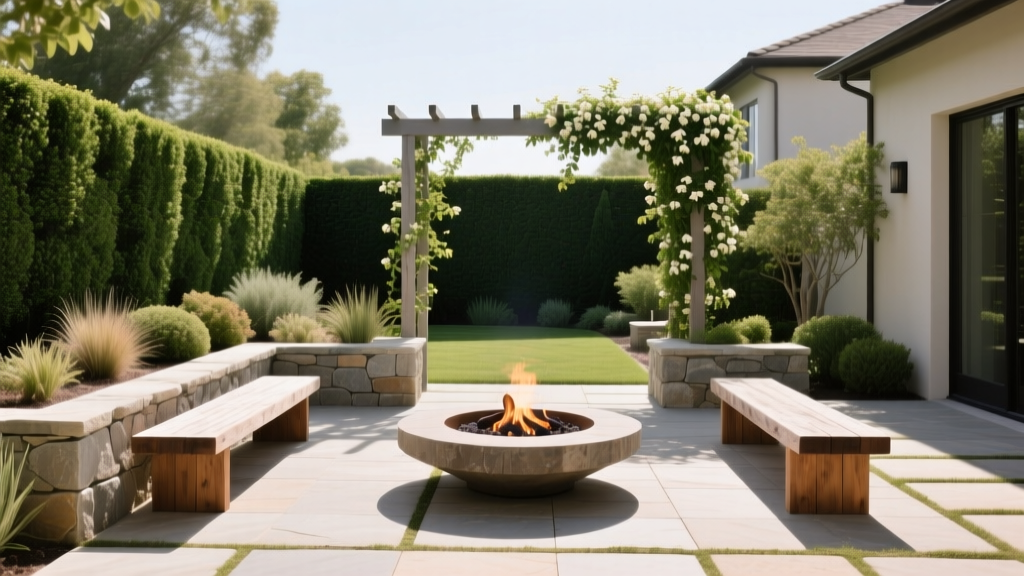
Front Yard Courtyard Design for Curb Appeal and Entertaining
David ParkPublished
The Shift to Front Yard Social Spaces
When homeowners envision outdoor entertaining, the backyard typically comes to mind. However, a growing trend in modern landscape architecture is the front yard courtyard. By reimagining the traditional front lawn into a structured, hardscaped courtyard, you can dramatically elevate your home's curb appeal while creating a unique, inviting space for evening gatherings. This approach is particularly effective in neighborhoods with deep front setbacks, wide lot frontages, or where backyards are limited in size or privacy.
A well-designed front courtyard bridges the gap between public curb appeal and private outdoor living. It signals to guests that your home is welcoming and meticulously maintained. According to the National Association of Realtors' Remodeling Impact Report, outdoor living spaces and professional landscaping upgrades consistently yield a high return on investment, often recovering 100% or more of the project cost at resale. By moving the entertaining space to the front, you double down on this ROI by maximizing the first impression your home makes.
Hardscaping: Pavers, Patios, and Permeability
The foundation of any front courtyard is its hardscape. Unlike a simple concrete slab, a courtyard requires textural interest and architectural alignment with your home's facade. Concrete pavers, natural flagstone, and permeable paving systems are the top choices for this application.
When planning your layout, scale is critical. A front courtyard should feel intimate but not cramped. If you are incorporating a central fire pit and seating, plan for a minimum hardscaped area of 12 feet by 12 feet. This allows for a 4-foot fire feature, 2 feet of seating depth on all sides, and a 2-foot walkway clearance behind the chairs.
Hardscaping Material Comparison
| Material | Avg Cost (per sq ft) | Durability | Maintenance Level | Permeability |
|---|---|---|---|---|
| Poured Stamped Concrete | $8 - $15 | High | Low (Seal every 3 yrs) | Low |
| Concrete Pavers | $12 - $22 | Very High | Medium (Joint sand) | Medium |
| Natural Flagstone | $18 - $35 | High | Medium (Moss control) | Low |
| Permeable Pavers | $15 - $28 | Very High | High (Vacuum joints) | Very High |
Proper base preparation is non-negotiable. Excavate 7 to 9 inches, lay a geotextile fabric to prevent weed growth and soil migration, and compact 4 to 6 inches of crushed angular gravel before laying your bedding sand and pavers. Furthermore, consider local stormwater regulations. The Environmental Protection Agency (EPA) strongly advocates for sustainable landscaping practices, noting that permeable pavers can significantly reduce stormwater runoff, filtering rainwater naturally back into the groundwater table while preventing erosion near your home's foundation.
Designing the Focal Point: Fire Features
To make a front courtyard viable for evening entertaining, a focal point is essential. A gas or wood-burning fire pit serves as a natural gathering anchor. For front yard applications, gas-powered fire bowls or linear fire tables are often preferred over wood-burning pits. They eliminate smoke blowing toward the street or neighbors, require no wood storage, and can be turned on and off instantly with a remote control.
If you opt for a wood-burning fire pit, ensure it is constructed with a heavy steel insert and lined with fire-rated masonry blocks. The ideal height for a fire pit that doubles as a footrest or coffee table is 16 to 18 inches. If you are building built-in seating walls around the pit, cap them with smooth, heat-resistant natural stone like bluestone or granite, ensuring the seating surface is at least 18 inches wide for comfort.
"A front yard fire feature should be scaled down slightly compared to a backyard pit. You want it to provide ambiance and warmth for conversation, rather than a massive bonfire that obscures the architectural lines of your home's facade."
Strategic Privacy Screens and Layered Planting
The primary challenge of front yard entertaining is maintaining a sense of privacy without building a fortress that ruins your curb appeal. The solution is layered planting and strategic screening. Avoid solid, towering fences along the property line, which can violate HOA rules and look unwelcoming. Instead, use a mix of ornamental trees, tall grasses, and structured shrubs to create a "soft wall" that filters sightlines from the street while allowing breezes to pass through.
Top Plants for Courtyard Privacy and Curb Appeal
- Clumping Bamboo (Fargesia nitida): Unlike running bamboo, clumping varieties stay contained, providing a rapid, elegant, and dense evergreen screen that grows 8 to 12 feet tall.
- Sky Pencil Holly (Ilex crenata 'Sky Pencil'): A narrow, columnar evergreen perfect for tight spaces and framing the entryway to the courtyard without taking up valuable hardscape width.
- Ornamental Grasses (Miscanthus sinensis): Varieties like 'Gracillimus' grow 5 to 6 feet tall, offering a flowing, translucent privacy screen that catches the evening light and adds movement to the space.
- Dwarf Korean Lilac (Syringa meyeri): Provides a dense, rounded shrub layer with incredible spring fragrance, perfect for planting just behind low courtyard seat walls.
Integrate these plants into raised planter beds built with matching retaining wall blocks. Raised beds improve drainage, define the courtyard boundaries, and bring the greenery closer to eye level for those seated in the patio area.
Illuminating the Courtyard: Ambiance and Security
Lighting transforms a front courtyard from a daytime architectural feature into a nighttime entertaining haven. A well-lit front yard also enhances home security by eliminating dark corners and improving visibility from the street. Layer your lighting approach into three categories: task, accent, and ambient.
Use low-voltage LED path lights to guide guests from the sidewalk to the courtyard entrance. Install brass or copper uplights at the base of your privacy trees and architectural columns to create dramatic shadows and depth. For the seating area itself, avoid harsh overhead floodlights. Instead, use warm-white (2700K) LED strip lighting hidden beneath the lips of built-in seating walls, or hang commercial-grade, dimmable bistro string lights in a zig-zag pattern overhead.
Efficiency and automation are key to maintaining the space effortlessly. The U.S. Department of Energy recommends utilizing LED fixtures paired with smart timers, photocells, or motion sensors to ensure your landscape lighting operates only when needed, drastically reducing energy consumption while maintaining a safe, inviting exterior.
Navigating Zoning, HOAs, and Budgeting
Before breaking ground, consult your local municipal zoning office and Homeowners Association (HOA) guidelines. Many municipalities have strict rules regarding front yard setbacks, impervious surface limits (which dictate how much of your lot can be covered by non-porous materials like concrete), and the placement of fire features near property lines. Some HOAs restrict front yard structures or require architectural review board approval for hardscaping visible from the street.
Budgeting for a front courtyard varies widely based on materials and site prep. A basic 144-square-foot concrete paver patio with a portable gas fire bowl and modest planting can start around $4,500 to $7,000. However, a fully custom courtyard featuring natural stone, built-in masonry seating walls, integrated LED lighting, and mature privacy trees will typically range from $15,000 to $35,000 or more. Despite the upfront cost, the dual benefit of gaining a highly functional entertaining space while simultaneously maxing out your home's curb appeal makes the front yard courtyard one of the most impactful landscaping investments a homeowner can make.

