Gardening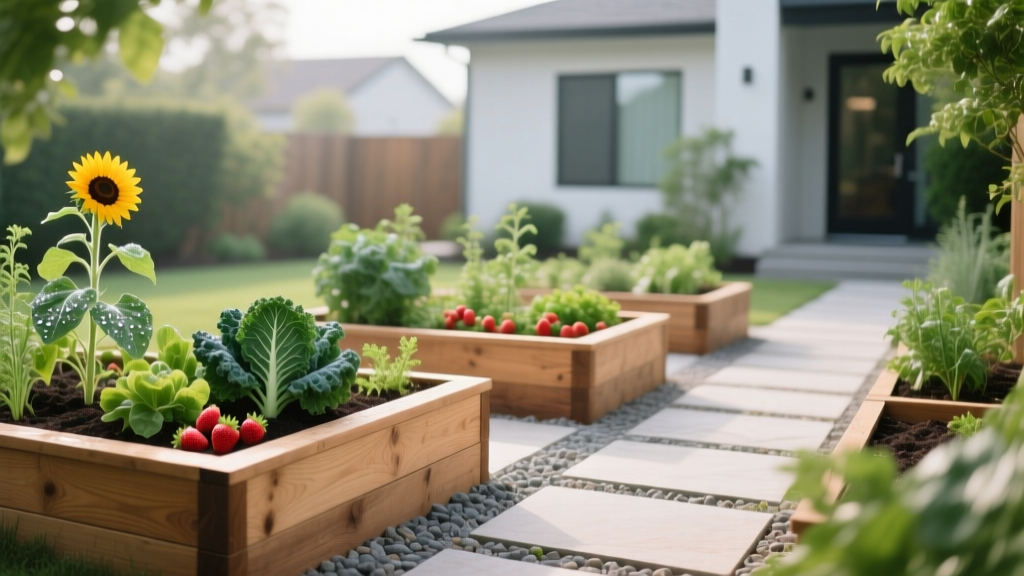
Edible Landscaping: Front Yard Curb Appeal & Entertaining
Anna KowalskiPublished
The Shift Toward Edible Landscaping
Welcome to the modern era of landscaping, where the sterile, high-maintenance front lawn is being replaced by vibrant, productive, and visually stunning edible gardens. For homeowners who love outdoor entertaining, the front yard or highly visible side yard is no longer just a pass-through space; it is an interactive conversation starter and a beautiful prelude to the backyard patio. Edible landscaping seamlessly integrates fruit, vegetables, and herbs into traditional ornamental garden designs, offering both breathtaking curb appeal and a bountiful harvest.
When you host a summer garden party or an evening cocktail hour, guests are increasingly drawn to landscapes that tell a story and offer sensory experiences. A well-designed front yard edible garden provides visual texture, vivid colors, and the subtle fragrances of herbs and blooming fruit trees. According to the Penn State Extension, edible landscaping is not just about planting a vegetable patch in the front yard; it is about applying the core principles of landscape design—such as balance, proportion, and color theory—to food-producing plants. By treating your edibles with the same design respect as your ornamental perennials, you create a welcoming environment that elevates your home's exterior and sets the stage for memorable outdoor entertaining.
Designing Raised Beds for Visual Impact
To achieve a polished, intentional look that boosts curb appeal and satisfies strict neighborhood aesthetics, raised garden beds are the cornerstone of front yard edible landscaping. They provide excellent drainage, define the garden space, and elevate the plants to a level where they can be easily admired and harvested by guests.
Choosing the Right Materials
The material of your raised beds dictates the architectural style of your landscape. For a modern, industrial-chic look that contrasts beautifully with lush green foliage, 14-gauge Corten steel beds are highly recommended. These beds develop a protective, rust-colored patina over time that looks incredibly sophisticated against a backdrop of bright green herbs and vibrant flowers. For a more traditional or cottage-garden aesthetic, rough-sawn Western Red Cedar or composite lumber offers a timeless, natural appeal. Avoid using cheap, untreated pine or railroad ties treated with creosote, as they will quickly degrade or leach harmful chemicals into your soil.
Optimal Dimensions and Layout
For front yard spaces, scale and proportion are critical. Standard 4-foot by 8-foot beds can sometimes look too utilitarian or agricultural for a front yard. Instead, consider building custom-sized beds that mirror the architectural lines of your home. A popular choice for curb appeal is a series of 3-foot by 6-foot beds arranged in a symmetrical parterre or a staggered, staggered diamond pattern. The National Gardening Association notes that raised beds offer superior soil conditions and accessibility, but for visual weight and ADA-compliant accessibility for your entertaining guests, aim for a height of 18 to 24 inches. This height makes the beds look like substantial architectural planters rather than mere ground-level farming plots.
Soil Preparation: The Foundation of a Stunning Garden
Beautiful plants require exceptional soil. Because front yard gardens are highly visible, you cannot afford the stunted growth or yellowing leaves that come from poor nutrition. The USDA strongly recommends testing your native soil before planting, but when filling raised beds, it is best to use a high-quality, engineered soil blend. The gold standard for raised bed gardening is a variation of 'Mel's Mix', consisting of one-third high-quality organic compost, one-third coarse vermiculite for water retention, and one-third coco coir (a sustainable alternative to peat moss) for aeration. This blend provides the perfect balance of nutrients, drainage, and moisture retention, ensuring your edible plants look lush and vibrant from early spring through late autumn.
Plant Selection: Mixing Ornamentals with Edibles
The secret to a stunning edible landscape is to select plant varieties that are as beautiful as they are delicious. Forget the standard, sprawling green zucchini plants that will take over your walkway. Instead, choose compact, visually striking varieties. 'Bright Lights' Swiss Chard offers a spectacular explosion of neon pink, yellow, and orange stems. 'Fairy Tale' Eggplant produces delicate, striped purple and white fruits on compact, upright bushes. 'Green Globe' Artichokes serve as massive, architectural centerpieces with their towering, silver-green, deeply lobed leaves.
Companion planting is equally important for maintaining a pristine look. Interplanting your edibles with flowering ornamentals not only creates a layered, lush aesthetic but also attracts vital pollinators and deters pests without the need for disruptive chemical sprays.
| Edible Plant | Ornamental Companion | Visual Benefit | Pest Control Benefit |
|---|---|---|---|
| 'Bright Lights' Swiss Chard | Purple Wave Petunias | Striking contrast between neon stems and deep purple blooms. | Petunias help repel asparagus beetles and leafhoppers. |
| 'Fairy Tale' Eggplant | French Marigolds | Upright purple fruits complement the dense, orange/yellow flowers. | Marigold roots secrete compounds that deter harmful nematodes. |
| 'Green Globe' Artichoke | Nasturtiums | Trailing orange flowers spill beautifully over the bed edges. | Nasturtiums act as a trap crop, drawing aphids away from the artichoke. |
| Red Russian Kale | White Alyssum | Lacy, purple-green kale contrasts with delicate, carpet-like white blooms. | Alyssum attracts hoverflies, whose larvae consume aphids. |
Hardscaping and Lighting for Evening Entertaining
An edible front yard garden truly shines during evening gatherings when enhanced by thoughtful hardscaping and landscape lighting. Replace muddy or worn grass paths with stabilized decomposed granite (DG) or crushed gravel pathways. A 3-foot-wide path lined with steel or aluminum edging provides a clean, formal look that guides guests from the sidewalk to your front porch or side-yard entertaining area.
Lighting is where the magic happens for outdoor parties. Avoid harsh, cool-white floodlights that make the garden look like a parking lot. Instead, install warm-white (2700K) LED solar path lights along the walkways to provide safe, low-level illumination. To highlight the architectural beauty of your edible plants, use adjustable, low-voltage LED uplights aimed at the base of your artichokes, dwarf fruit trees, or trellised grapes. This dramatic lighting creates stunning shadows and turns your edible garden into a living, breathing art installation that will captivate your guests as they arrive.
Navigating HOA Rules and Neighborhood Norms
One of the most common hurdles to front yard edible landscaping is navigating Homeowner Association (HOA) regulations or skeptical neighbors. Many HOAs have strict rules against 'vegetable gardens' in the front yard, often picturing messy, sprawling rows of corn and weeds. The key to approval and neighborhood harmony is impeccable maintenance and formal design.
Always submit a detailed landscape plan to your HOA architectural committee before breaking ground. Emphasize the ornamental aspects of your design, using terms like 'culinary herbs,' 'ornamental grasses,' and 'structured raised planters.' Keep the garden meticulously weeded, prune plants regularly to prevent them from spilling over pathways, and ensure your raised beds are free of peeling paint or rust stains. Finally, the best way to win over skeptical neighbors is to share the bounty. Leaving a small basket of fresh cherry tomatoes, zucchini, or cut flowers on a neighbor's porch transforms your garden from a neighborhood eyesore into a highly anticipated community asset.
Conclusion
Designing an edible landscape in your front yard is a brilliant way to merge sustainability, curb appeal, and outdoor entertaining. By investing in stylish raised beds, selecting visually stunning plant varieties, and illuminating the space for evening gatherings, you create a dynamic, interactive environment. Your garden will not only provide fresh, organic produce for your summer dinner parties but also establish your home as the most beautiful and welcoming property on the block.
