Gardening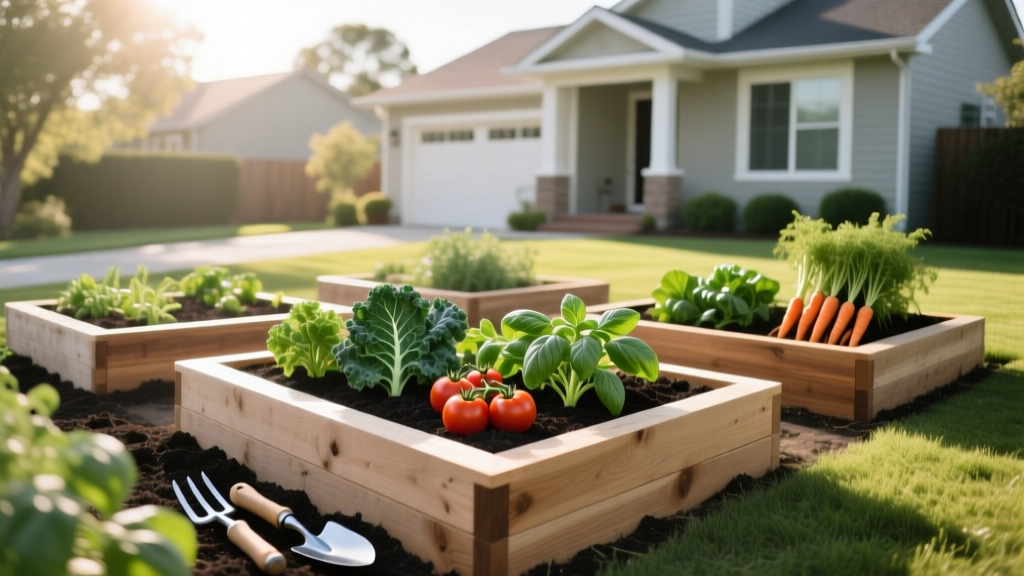
Front Yard Edible Landscaping: Boost Curb Appeal With Raised Beds
Anna KowalskiPublished
The Rise of the Entertaining-Ready Edible Front Yard
For decades, the standard front yard has been dominated by a monoculture of turf grass, requiring endless mowing, watering, and fertilizing, all while offering little in return. However, a massive shift is underway in residential landscape design. Homeowners and avid gardeners are replacing boring lawns with vibrant, productive edible landscapes. When executed correctly, front yard edible landscaping does more than just provide a bountiful harvest; it dramatically elevates your home's curb appeal and creates a stunning, interactive backdrop for outdoor entertaining.
Imagine hosting a neighborhood garden party or an elegant front-patio dinner where guests can stroll along clean, architecturally striking raised beds, picking fresh cherry tomatoes, fragrant basil, and edible flowers right from the source. By integrating vegetable gardening into your front yard, you transform a passive space into an active, visually captivating entertainment hub. According to the University of Wisconsin-Madison Extension, integrating edible plants into ornamental landscapes not only maximizes growing space but also introduces diverse textures, colors, and structural elements that traditional foundation plantings simply cannot match.
Planning Your Layout: Sightlines, Sun, and Structure
Before you order soil or swing a hammer, you must plan your layout with both horticulture and hospitality in mind. Unlike a hidden backyard vegetable patch, a front yard garden is a public-facing statement. It requires clean lines, intentional pathways, and a respect for neighborhood sightlines.
Mapping the Sun and Soil
Vegetables and most flowering herbs require a minimum of six to eight hours of direct sunlight per day. Spend a weekend mapping the sun patterns across your front yard. Note where shadows from the house, street trees, or neighboring structures fall during the peak summer months. Position your primary raised beds in the sunniest zones, reserving shadier edges for shade-tolerant edibles like Swiss chard, leafy greens, and alpine strawberries.
Designing for Flow and Entertaining
When designing for outdoor entertaining, pathways are just as important as the beds themselves. Ensure your main walkway is at least four feet wide, allowing two guests to walk side-by-side comfortably. Create secondary, two-foot-wide gravel paths between raised beds to allow guests to access the plants for 'harvest-your-own' cocktail garnishes or salad ingredients during your outdoor gatherings.
Selecting Raised Bed Materials for Maximum Curb Appeal
The material you choose for your raised beds will dictate the aesthetic tone of your entire front yard. While standard untreated pine is cheap, it rots quickly and lacks the refined look necessary for high-end curb appeal. Here is a comparison of premium materials that balance longevity, aesthetics, and structural integrity.
| Material | Estimated Cost (4x8 ft) | Lifespan | Aesthetic Profile |
|---|---|---|---|
| Western Red Cedar | $150 - $250 | 10-15 Years | Classic, natural, traditional |
| Corten Steel | $300 - $500 | 20+ Years | Modern, industrial, rustic |
| Brick / Stone Veneer | $400 - $800 | 30+ Years | Formal, elegant, permanent |
| Composite Timber | $200 - $350 | 20+ Years | Uniform, low-maintenance |
Entertaining Tip: If you choose Corten steel or stone, consider incorporating built-in wooden bench seating along the outer edges of the beds. This provides immediate, stylish seating for guests enjoying their evening beverages while overlooking the garden.
The Ultimate Soil Recipe for High-Yield, Beautiful Beds
The secret to a front yard garden that looks lush and vibrant from the street is the soil beneath the surface. Native yard soil is often compacted, heavy in clay, or depleted of nutrients. As noted by the University of Minnesota Extension, raised beds offer superior drainage and allow you to completely control the soil environment, which is critical for growing visually stunning, healthy plants.
For the ultimate raised bed soil mix, adapt the famous 'Mel's Mix' recipe tailored for heavy feeders:
- 33% High-Quality Compost: Use a blend of at least three different types (e.g., mushroom compost, worm castings, and composted cow manure) for a broad spectrum of nutrients. The Environmental Protection Agency (EPA) highlights that composting not only enriches soil but also improves its moisture retention and structure.
- 33% Coarse Vermiculite or Perlite: This ensures the soil remains light, fluffy, and well-aerated, preventing waterlogging and allowing delicate root systems to expand effortlessly.
- 33% Coconut Coir or Peat Moss: This acts as a sponge, holding onto water and nutrients, releasing them slowly to your plants during the heat of summer garden parties.
Top your beds with a two-inch layer of premium arborist wood chips or shredded bark mulch. This suppresses weeds, retains moisture, and provides a uniform, manicured finish that screams 'professional landscape design' to anyone walking by.
Plant Selection: Marrying Beauty with Bountiful Harvests
To maintain curb appeal, your plant selection must prioritize visual impact—think bold colors, varied textures, and architectural heights—while remaining delicious. Ditch the sprawling, messy vining squashes for the front yard, and opt for upright, colorful, and structured edibles.
Structural and Colorful Vegetables
- Rainbow Swiss Chard: With its neon-bright stems in yellow, magenta, orange, and crimson, it acts as a living rainbow and is highly tolerant of both heat and light frost.
- Ornamental Peppers: Varieties like 'Black Pearl' or 'Bolivian Rainbow' produce stunning dark foliage and clusters of jewel-toned peppers that stand upright like festive ornaments.
- Redbor Kale: This deep purple, frilly kale grows tall and architectural, providing a striking backdrop for lower-growing annual flowers.
The Pollinator and Companion Planting Strategy
No edible landscape is complete without companion planting. Interweave flowering herbs and ornamentals among your vegetables to deter pests, attract vital pollinators, and add soft, romantic textures to the rigid lines of the raised beds.
- Zinnias and Cosmos: Plant these tall, vibrant annuals at the northern end of your beds. They draw swarms of butterflies and make excellent, spontaneous cut flowers for your outdoor dining table.
- Purple Basil and Thai Basil: Their dark, glossy leaves and delicate flower spikes contrast beautifully with bright green vegetables, while providing fresh aromatics for your guests.
- Marigolds: Plant these golden blooms densely along the borders of your beds. Their roots secrete compounds that deter harmful soil nematodes, and their bright color provides a continuous border of cheer.
Integrating Hardscaping and Lighting for Evening Entertaining
A truly spectacular front yard garden doesn't go to sleep when the sun goes down. Outdoor entertaining often peaks in the early evening, making landscape lighting a non-negotiable element of your design.
Install low-voltage LED path lights along your gravel walkways to guide guests safely. More importantly, use directional uplights to illuminate the architectural features of your plants. Shining a warm-white light up through the fronds of a towering kale plant or the colorful stalks of Swiss chard creates dramatic, theatrical shadows that will leave your guests in awe.
For hardscaping, replace traditional concrete walkways with permeable, texturally interesting materials. Decomposed granite (DG) stabilized with a binder, or thick bluestone pavers set in creeping thyme, soften the landscape and allow rainwater to permeate the soil, protecting the root zones of your adjacent raised beds.
The 'Harvest-Your-Own' Guest Experience
The ultimate payoff of front yard edible landscaping is the interactive entertainment it provides. Set up a 'Harvest-Your-Own' garnish station near your outdoor bar or patio. Plant a dedicated 'Cocktail Bed' closest to the entertaining area, filled with:
- Borage: Star-shaped blue flowers that freeze perfectly into ice cubes for gin and tonics.
- Rosemary and Thyme: Woody herbs that can be snipped and used as aromatic stirring sticks for craft beverages.
- Alpine Strawberries: Tiny, intensely flavorful berries that guests can pick and drop directly into glasses of champagne or sparkling water.
- Nasturtiums: Peppery, vibrant edible flowers that look stunning floating in summer punch bowls or atop fresh garden salads.
Provide a pair of clean, brass-handled pruning snips and a beautiful ceramic bowl on your patio table. Encouraging guests to interact with your garden breaks the ice, sparks conversations about gardening and sustainability, and turns your landscape into a memorable, multi-sensory experience.
Conclusion
Transitioning your front yard from a high-maintenance lawn to an edible landscape is one of the most rewarding home improvement projects you can undertake. By investing in premium raised bed materials, engineering the perfect soil blend, and selecting plants that offer both culinary value and visual drama, you create a space that is as beautiful as it is productive. Your front yard will no longer just be a space you pass through to get to your front door; it will become a neighborhood landmark, a sanctuary for pollinators, and the ultimate backdrop for unforgettable outdoor entertaining.
