
Landscaping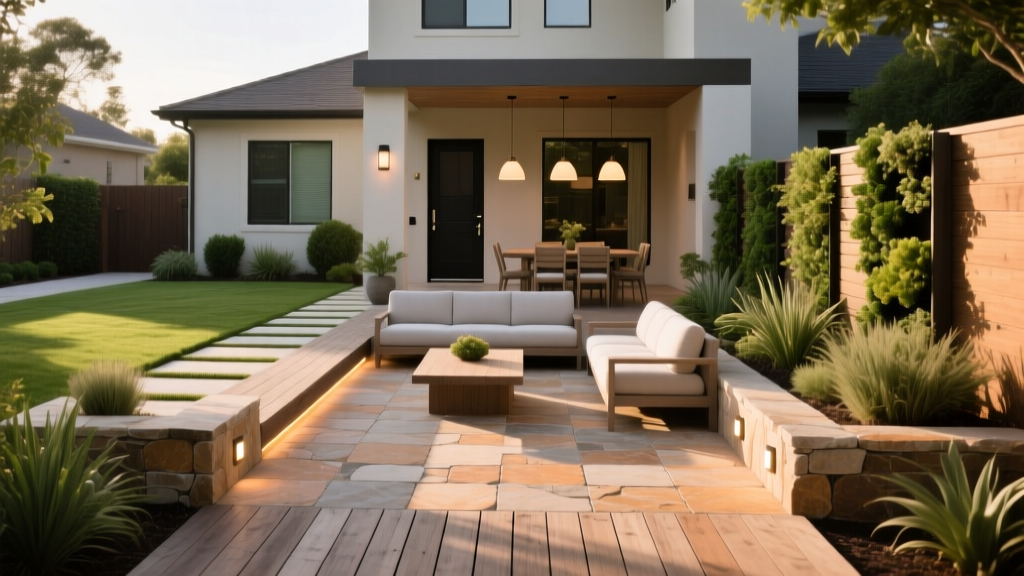
Front Yard Patio Ideas: Boost Curb Appeal and Entertain
James MillerPublished
When homeowners think about outdoor entertaining, the backyard usually gets all the attention. However, a growing trend in landscape architecture is the "social front yard." By designing a front yard patio, you can dramatically boost your home's curb appeal while creating a unique, welcoming space for morning coffees, evening wine, and neighborhood gatherings. A well-executed front patio bridges the gap between public streetscape and private sanctuary, turning an underutilized lawn into a functional, high-ROI outdoor living area.
The Rise of the Social Front Yard
Historically, front yards were strictly ornamental—manicured lawns and foundation plantings meant to be looked at, not lived in. Today, landscape designers are reimagining this space. A front yard patio encourages community interaction and makes a bold architectural statement. When guests or potential buyers approach your home, a beautifully hardscaped patio area immediately signals that the property is well-maintained, thoughtfully designed, and primed for entertaining.
To successfully pull off a front yard entertaining space, you must balance openness with privacy, and durability with high-end aesthetics. This requires careful selection of materials, strategic planting, and professional-grade base preparation.
Selecting Paver Materials for Durability and Style
The foundation of any great patio is the material underfoot. For front yard applications, you want materials that complement your home's architectural style while handling heavy foot traffic and weather exposure. Permeable pavers are an increasingly popular choice for front-yard hardscaping because they manage stormwater runoff, preventing puddles and ice patches near your walkways. In fact, according to the Environmental Protection Agency (EPA), permeable pavements are a highly effective green infrastructure tool that reduces runoff volume and filters out pollutants before they reach local waterways.
Material Comparison Chart
| Material | Avg. Cost (per sq. ft.) | Maintenance Level | Best For |
|---|---|---|---|
| Permeable Concrete Pavers | $5 - $10 | Low | Eco-friendly drainage, modern aesthetics |
| Natural Flagstone | $15 - $25 | Medium | Rustic charm, organic shapes, high-end curb appeal |
| Stamped Concrete | $8 - $18 | Medium | Budget-friendly high-end looks (requires sealing) |
| Porcelain Pavers | $10 - $20 | Very Low | Sleek, contemporary designs, stain resistance |
Designing for Privacy Without Blocking the View
The primary challenge of front yard entertaining is privacy. You want to feel secluded without building a fortress that ruins your curb appeal or violates local HOA and municipal setback regulations. The solution lies in layered landscaping and low-profile hardscape screens.
Low Retaining Walls and Built-In Seating
Instead of tall fences, incorporate 18- to 24-inch retaining walls around the perimeter of the patio. This height is perfect for defining the space and providing built-in seating for guests when you are hosting a larger crowd. Cap the walls with smooth, natural stone or bullnose concrete caps to ensure comfortable seating. This low wall acts as a psychological barrier, signaling to passersby that the space is a private living area rather than a public sidewalk.
Strategic Plant Selection
Softscape elements are crucial for softening the edges of your hardscape and providing privacy screens. Avoid tall, dense hedges that block the view of your home's facade. Instead, opt for ornamental grasses and airy perennials. Karl Foerster Feather Reed Grass grows up to 5 feet tall but maintains a narrow, upright profile that sways in the wind, offering a dynamic privacy screen that doesn't feel heavy. Planting these in raised planter boxes integrated into your patio design adds vertical interest and keeps the root systems from interfering with your paver base.
Illuminating the Space: Landscape Lighting Best Practices
An entertaining space is only functional in the evening if it is properly lit. Landscape lighting enhances curb appeal, improves security, and sets the mood for outdoor gatherings. When designing your lighting plan, focus on three layers: ambient, task, and accent lighting.
- Ambient Lighting: Hang commercial-grade, weatherproof LED bistro string lights in a zig-zag pattern over the patio. To do this properly, install 4x4 wooden posts or steel poles anchored in concrete footings at the corners of your patio to support the tension of the wires.
- Accent Lighting: Use low-voltage LED uplights at the base of prominent trees or architectural columns near the patio to draw the eye upward and create dramatic shadows.
- Task and Path Lighting: Line the walkway connecting the public sidewalk to your front patio with low-glare path lights. The U.S. Department of Energy recommends using LED fixtures with appropriate color temperatures (ideally 2700K to 3000K for a warm, welcoming glow) and ensuring fixtures are shielded to prevent light pollution and glare into the street.
Budgeting, Base Preparation, and Return on Investment
A common mistake DIYers make is skimping on the base preparation to save money on materials. In freeze-thaw climates, a poorly prepared base will heave, crack, and sink within two years. For a durable front yard patio, you must excavate 8 to 10 inches of topsoil. Lay down a heavy-duty geotextile fabric to prevent weed growth and soil migration, then add a 4- to 6-inch base of 3/4-inch crushed angular gravel, compacting it in 2-inch lifts with a mechanical plate compactor. Finally, add a 1-inch layer of coarse, sharp concrete sand (never use play sand or masonry sand, as it retains moisture and washes out) before laying your pavers. Once laid, sweep polymeric sand into the joints and mist it with a hose to lock the pavers in place.
Understanding the ROI
Investing in a front yard patio is not just about lifestyle; it is a strategic financial move. Curb appeal is the single most important factor in a buyer's first impression of a home. The University of Minnesota Extension notes that cohesive, well-planned landscape designs that integrate hardscapes with the home's architecture can significantly increase property values and reduce time on the market. While a basic backyard patio might yield a 50% to 75% return on investment at resale, a high-end front yard entertaining space that completely transforms the streetscape can push that ROI even higher by elevating the perceived value of the entire property.
Conclusion
Designing a front yard patio requires a delicate balance of hospitality, privacy, and architectural harmony. By selecting permeable, durable materials, utilizing low-profile walls and ornamental grasses for natural screening, and installing warm, layered LED lighting, you can create an outdoor entertaining space that stands out in the neighborhood. Not only will you gain a new favorite spot to host friends and greet neighbors, but you will also secure a lasting boost to your home's curb appeal and overall market value.

