Home & Garden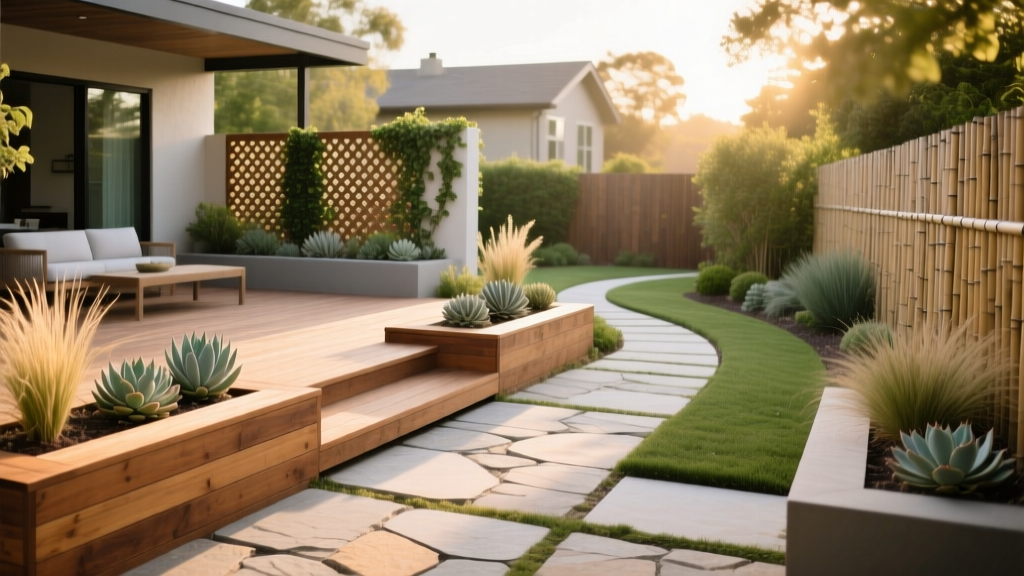
Front Yard Patios: Maximize Curb Appeal And Entertaining
David ParkPublished
When most homeowners think of outdoor entertaining, the backyard immediately comes to mind. However, a growing trend in landscape architecture and home design is shifting the focus to the front of the house. The front yard patio, courtyard, or expanded porch is redefining curb appeal while creating a unique, welcoming space for outdoor entertaining. By bridging the gap between your home’s exterior and the neighborhood, a well-designed front yard living space boosts property value and fosters community connection.
The Rise of the Front Yard Living Space
Historically, the front yard was strictly ornamental—a manicured lawn and a few foundation shrubs meant to be looked at, not lived in. Today, homeowners are reclaiming this square footage. The concept of "porchscaping" and front-yard courtyards has gained immense popularity, driven by a desire for more usable outdoor space and a return to neighborhood socialization. Unlike the secluded backyard, a front yard patio invites casual interactions with neighbors and creates an immediate "wow" factor that dramatically elevates curb appeal.
Designing for Curb Appeal and Functionality
Creating a front yard entertaining space requires a delicate balance. You want the area to feel intimate and comfortable for guests, yet open and aesthetically pleasing from the street.
Choosing the Right Hardscape Materials
The foundation of your patio dictates both its longevity and its visual impact. While standard concrete is affordable, it lacks the high-end charm necessary to maximize curb appeal. Instead, consider materials that offer texture, color, and environmental benefits.
- Permeable Pavers: These are an excellent choice for eco-conscious homeowners. According to the University of Minnesota Extension, permeable pavers allow rainwater to filter through the joints and into the soil below, reducing runoff and preventing local flooding.
- Natural Flagstone: Irregularly shaped stones provide a rustic, organic look that blends beautifully with surrounding garden beds.
- Light-Colored Paving: If you live in a warm climate, consider the heat island effect. The EPA notes that using cool pavements and lighter-colored materials can significantly reduce surface temperatures, making your evening gatherings much more comfortable.
Strategic Privacy Landscaping
Privacy is the number one concern for front yard entertaining. However, building a towering fence can violate local setback ordinances and destroy your curb appeal by making the house look like a fortress. Instead, use softscaping to create natural privacy screens.
- Layered Planting: Use a mix of ornamental grasses (like Miscanthus or Fountain Grass), mid-height evergreen shrubs, and small flowering trees (like Dogwoods or Japanese Maples) to create a 4-to-6-foot living wall.
- Berms and Swales: Building a gentle soil berm (a raised mound) of 18 to 24 inches before planting can artificially elevate your privacy screen without needing massive trees.
- Louvered Trellises: Wooden or metal trellises angled to block the street's line of sight while allowing air and light to pass through are perfect for climbing vines like Clematis or Star Jasmine.
Material Cost and Durability Comparison
To help you budget for your front yard transformation, here is a breakdown of popular hardscaping materials, their average installed costs, and their impact on curb appeal.
| Material | Avg Installed Cost (per sq ft) | Maintenance Level | Curb Appeal Factor | Drainage / Permeability |
|---|---|---|---|---|
| Permeable Pavers | $12 - $18 | Low (occasional joint sand refill) | High (modern, clean lines) | Excellent |
| Natural Flagstone | $15 - $25 | Medium (weed control in joints) | Very High (luxury, organic) | Good (if dry-set) |
| Stamped Concrete | $10 - $15 | Medium (requires sealing every 2-3 yrs) | Medium-High (versatile patterns) | Poor (impermeable) |
| Stabilized Decomposed Granite | $6 - $10 | High (needs raking and topping up) | Medium (rustic, casual) | Very Good |
Smart Lighting for Evening Entertaining
A front yard patio is only functional for evening entertaining if it is properly illuminated. Lighting serves a dual purpose: it provides safety and security while highlighting the architectural and landscape features that boost your curb appeal.
When planning your lighting design, integrate smart home technology. Wi-Fi-enabled low-voltage transformers allow you to control your patio lights, path lights, and uplighting directly from your smartphone. You can set schedules, adjust dimness, and even change color temperatures based on the occasion.
For optimal ambiance, stick to LED bulbs with a color temperature between 2700K (warm white) and 3000K. Avoid harsh, cool-white lights (4000K+), which can make your home look like a commercial parking lot. The U.S. Department of Energy highly recommends LED outdoor fixtures not only for their warm aesthetic capabilities but because they consume up to 75% less energy and last 25 times longer than traditional halogen or incandescent bulbs.
Key Lighting Zones for Front Patios:
- Task Lighting: Downlighting from a nearby tree or porch eave over the primary seating and dining areas.
- Accent Lighting: Uplighting specimen trees or architectural columns to draw the eye from the street.
- Path Lighting: Low-glare bollard or stake lights guiding guests from the sidewalk to your front yard patio entrance.
Navigating Zoning, Setbacks, and HOA Rules
Before breaking ground on a front yard patio, you must navigate local municipal codes, right-of-way laws, and Homeowner Association (HOA) covenants. Front yards are heavily regulated compared to backyards to maintain neighborhood uniformity and public safety.
- Setbacks and Easements: Most municipalities have strict front-yard setback rules (often 15 to 25 feet from the street or sidewalk) where permanent structures cannot be built. Furthermore, the area between the sidewalk and the street (often called the "hellstrip" or tree lawn) is usually a public right-of-way or utility easement. You cannot block access to water, sewer, or fiber-optic mains in these zones.
- HOA Restrictions: Many HOAs explicitly forbid front-yard hardscaping that replaces more than 20% to 30% of the turf grass to maintain a traditional streetscape. If you live in an HOA, submit a detailed landscape plan featuring drought-tolerant groundcovers, permeable materials, and native plants to win approval from the architectural review committee.
- Fire Pit Ordinances: If your entertaining vision includes a gas or wood-burning fire pit, verify local burn bans and clearance requirements. Many cities require a minimum 15-foot clearance from property lines, overhanging branches, and combustible fencing. Opting for a smokeless gas fire table is often the easiest way to bypass wood-burning restrictions while still providing a stunning focal point for evening gatherings.
Furnishing and Shading Your Front Yard Oasis
To truly bridge indoor comfort with outdoor charm, invest in high-quality, weather-resistant furniture. Wicker made from high-density polyethylene (HDPE) or powder-coated aluminum frames will withstand direct UV exposure and rain without fading or rusting.
One major challenge with front yard entertaining is shade. Unlike established backyards, front yards often lack mature tree canopies. To solve this, incorporate a cantilever umbrella with a heavy rolling base, or install architectural shade sails anchored to your home's fascia and sturdy ground posts. Shade sails provide a modern, sculptural element that enhances curb appeal while protecting your guests from harsh afternoon UV rays.
Anchor the seating area with an outdoor-rated rug made from recycled plastics or polypropylene. Not only does this define the "room" and make it feel like an extension of your indoor living space, but it also hides any minor stains or debris. Add a few oversized, weatherproof throw pillows in colors that complement your home’s exterior trim, and incorporate a few weather-sealed side tables for resting drinks and garden-to-table appetizers.
Conclusion
Transforming your front yard into an entertaining patio is a bold design move that pays massive dividends in both curb appeal and lifestyle enhancement. By carefully selecting permeable, attractive hardscape materials, employing strategic privacy landscaping, and integrating smart LED lighting, you can create a welcoming oasis that delights guests and neighbors alike. Always respect local zoning laws, and you will soon find that your favorite place to host a sunset gathering is right at the front of your home.
