
Landscaping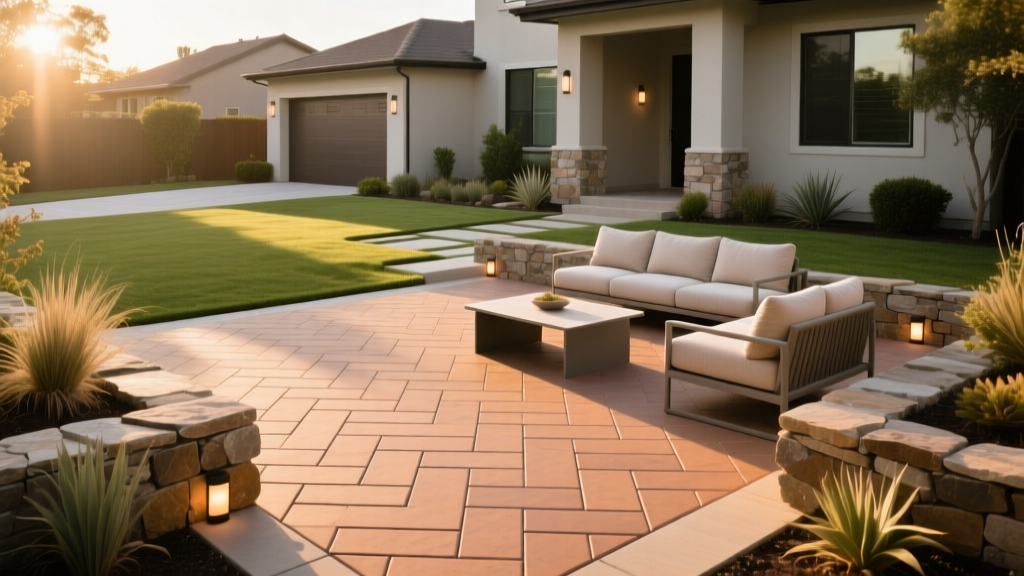
Front Yard Paver Patios: Boost Curb Appeal and Entertaining
Robert HayesPublished
The Rise of the Front Yard Patio
When most homeowners think of outdoor entertaining, the backyard immediately comes to mind. However, a growing trend in landscape design is shifting the focus to the front of the house. The front yard paver patio is no longer just a small landing pad for a porch swing; it has evolved into a sophisticated, multi-level outdoor living space that bridges the gap between private relaxation and community engagement. By moving the party to the front yard, homeowners are redefining curb appeal, transforming sterile lawns into vibrant, welcoming hubs that invite conversation and elevate the architectural profile of the home.
Designing a front yard patio requires a delicate balance. You must create an intimate environment for entertaining while maintaining an open, polished aesthetic that enhances the streetscape. This involves strategic hardscaping, thoughtful privacy screening, and high-end materials that signal quality to every passerby. Whether you are sipping morning coffee or hosting an evening neighborhood fire pit gathering, a well-executed front yard patio offers an unmatched return on investment for both your lifestyle and your property value.
Planning and Zoning: Before You Break Ground
Unlike backyard projects, which are often hidden from public view, front yard hardscaping is heavily regulated by local municipalities and Homeowner Associations (HOAs). Before you finalize your design, you must research local zoning ordinances regarding front yard setbacks. Most municipalities require hardscapes to be set back 10 to 20 feet from the sidewalk or street property line. Additionally, many cities enforce limits on the percentage of your front yard that can be covered by impermeable surfaces to prevent stormwater runoff issues.
Equally critical is the step of identifying underground utilities. Excavating for a patio base or running gas lines for a fire feature can be dangerous and costly if you strike a buried line. Before digging a single trench, you must contact Call 811 or your local utility notification center. This free service will send professionals to mark the approximate location of buried utility lines with paint or flags, ensuring your project proceeds safely and legally.
Base Preparation: The Foundation of Hardscaping
The longevity and visual appeal of your paver patio depend entirely on what lies beneath the surface. A poorly prepared base will lead to settling, pooling water, and heaving during freeze-thaw cycles, which will rapidly destroy your curb appeal. For a front yard patio that will support heavy foot traffic and built-in seating walls, a robust base is non-negotiable.
- Excavation: Dig down 7 to 9 inches below your desired finished patio height. Ensure the soil subgrade is sloped away from your home at a minimum grade of 1/4 inch per foot to direct water toward the street or designated drainage swales.
- Geotextile Fabric: Lay down a layer of non-woven geotextile fabric over the compacted soil. This prevents the gravel base from sinking into the mud over time and inhibits weed growth.
- Gravel Base: Fill the excavated area with 3/4-inch crushed angular gravel. Do not use round river rock, as it does not lock together. Compact the gravel in 2-inch lifts using a mechanical plate compactor until you have a solid 4 to 6-inch base.
- Bedding Sand: Spread exactly 1 inch of coarse, concrete-grade bedding sand over the compacted gravel. Screed the sand perfectly level using aluminum pipes and a straight 2x4 board before laying your pavers.
Selecting Pavers for Maximum Curb Appeal
The material you choose for your patio surface will dictate the overall tone of your landscape. Front yard patios should complement the exterior finishes of your home, such as your brick facade, stone veneer, or siding color. Premium interlocking concrete pavers from brands like Belgard or Unilock offer exceptional durability and a wide array of architectural finishes that mimic natural stone.
| Paver Material | Average Cost (Per Sq. Ft.) | Durability & Maintenance | Best Design Application |
|---|---|---|---|
| Interlocking Concrete | $8 - $15 | High; easily replaced if stained or cracked | Modern, geometric patterns and large-format slabs |
| Clay Brick | $12 - $20 | Very High; color never fades, may heave in frost | Traditional, colonial, or historic home aesthetics |
| Natural Flagstone | $20 - $35+ | Moderate; requires sealing, uneven surface | Rustic, organic, and high-end custom landscapes |
| Permeable Pavers | $15 - $25 | High; requires occasional vacuuming of joints | Eco-friendly builds and strict runoff zones |
For a seamless look that boosts curb appeal, consider using large-format porcelain pavers. These offer a sleek, contemporary vibe and are highly resistant to staining from wine, grease, or pollen, making them ideal for frequent entertaining.
Designing for Outdoor Entertaining
To make the front yard a true entertaining destination, incorporate built-in hardscape features that eliminate the need for cluttered, folding patio furniture. A curved retaining wall system, utilizing products like Allan Block or Versa-Lok, can serve a dual purpose: it creates a raised planting bed for vibrant seasonal flowers while simultaneously providing permanent, capstone-topped seating around a central gathering point.
A fire feature is the ultimate anchor for a front yard patio. A gas-powered fire bowl or linear fire pit provides instant ambiance without the smoke and ash of a wood-burning pit, which can drift into neighboring homes or the street. When placing a fire feature, ensure it is at least 10 feet away from your home, property lines, and any overhanging tree canopies. Surround the fire pit with a contrasting paver border to define the conversation zone and protect the main patio surface from heat damage.
Illuminating the Space: Landscape Lighting
Entertaining often extends well into the evening, making a professional-grade lighting design essential for both safety and atmosphere. According to the U.S. Department of Energy, utilizing energy-efficient LED outdoor lighting not only reduces electricity consumption but also provides superior color rendering and longevity compared to traditional halogen bulbs.
Employ a layered lighting approach to highlight your landscaping and hardscaping. Use low-voltage path lights to guide guests from the sidewalk to the patio. Install brass or copper uplights at the base of prominent front yard trees to cast dramatic shadows and draw the eye upward. Finally, integrate hidden LED strip lighting beneath the lips of your built-in seating walls and stair risers. This technique, known as moonlighting or shadowing, creates a luxurious, resort-like glow that defines the edges of the patio and prevents tripping hazards without causing harsh glare.
Softscaping and Drainage Solutions
Hardscaping must be framed by thoughtful softscaping to soften the transition between the street and your private entertaining zone. To maintain a sense of privacy without building an unwelcoming fortress, use staggered planting beds and ornamental berms. Plantings like Karl Foerester feather reed grass, hydrangeas, and dwarf boxwoods provide a semi-permeable visual screen that allows for neighborhood interaction while shielding the patio from direct streetlights and passing cars.
Managing stormwater is a critical component of front yard landscaping. If your municipality restricts impermeable surfaces, consider utilizing permeable paver systems. The Environmental Protection Agency (EPA) highlights permeable pavements as a key green infrastructure strategy that allows rainwater to infiltrate through the joints and filter into the underlying stone bed, significantly reducing the burden on municipal storm sewers and filtering out pollutants before they reach local waterways.
Cost Breakdown and Return on Investment
Building a high-end front yard paver patio is a significant financial undertaking, but it consistently ranks among the top home improvement projects for recouping costs. A professionally installed paver patio with built-in seating and lighting typically ranges from $25 to $45 per square foot. For a 400-square-foot entertainment space, expect to invest between $10,000 and $18,000.
However, the return on investment is substantial. Real estate experts consistently note that exceptional curb appeal can increase a home's perceived value by up to 10 percent. By creating a functional, beautifully lit, and meticulously landscaped front yard patio, you are not just adding square footage to your living space; you are crafting a signature feature that sets your property apart in the neighborhood and creates lasting memories with friends and neighbors.

