
Landscaping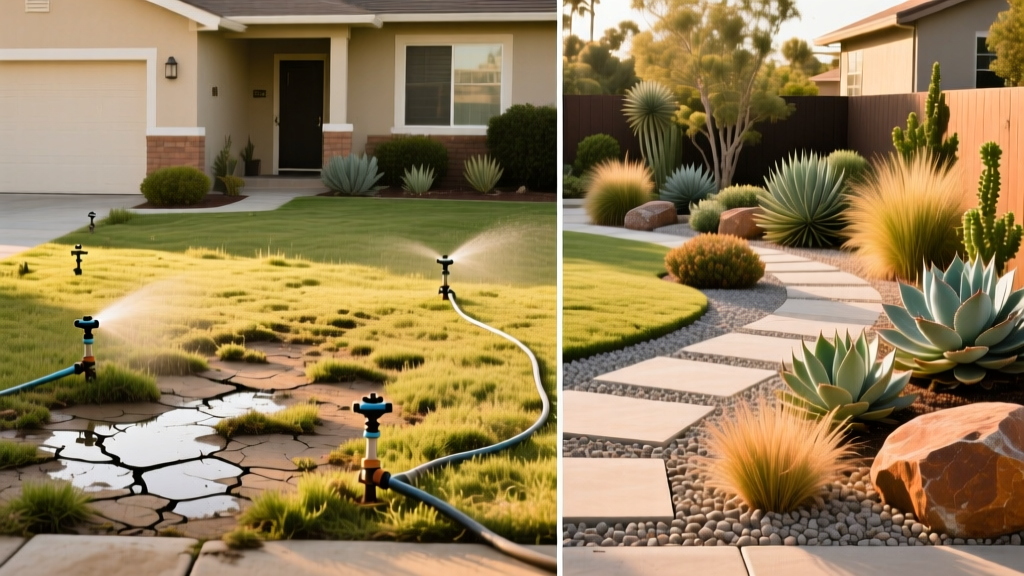
Front Yard Xeriscape Transformation: A Before and After
Sarah ChenPublished
The 'Before' State: A Thirsty, Patchy Nightmare
When we first evaluated this 600-square-foot front yard in a suburban neighborhood, the landscape was in a state of decline. The existing Kentucky Bluegrass turf was patchy, heavily compacted, and struggling to survive the intense summer heat. Despite running the sprinkler system three times a week, the lawn featured large brown spots, invasive crabgrass, and a persistent thatch problem. The soil beneath was heavy clay, which repelled water during brief rainstorms and baked into a concrete-like surface during droughts. Furthermore, the lack of any defined garden beds or hardscaping elements left the property looking flat, uninspired, and entirely devoid of curb appeal. The homeowners were spending upwards of $120 per month on water during the peak summer season, yet the yard continued to look neglected.
The Vision: Designing a Low-Maintenance Xeriscape
The goal was to completely eliminate the thirsty turf and replace it with a modern, drought-tolerant xeriscape that would thrive on natural rainfall once established. According to the Environmental Protection Agency (EPA), outdoor water use accounts for nearly 30% of total household water consumption, with landscape irrigation being the primary culprit. By transitioning to a xeriscape, the homeowners aimed to reduce their outdoor water usage by up to 70%. The new design featured a sweeping decomposed granite (DG) pathway, a dry river bed to manage seasonal runoff, and structured planting zones featuring native and adapted perennials. This before and after transformation would not only save money but also create a vibrant, pollinator-friendly ecosystem right in the front yard.
Phase 1: Turf Removal and Soil Preparation
Rather than using chemical herbicides or renting a gas-powered sod cutter, we opted for sheet mulching to remove the existing lawn. This method preserves the soil structure and encourages beneficial microbial activity.
- Mowing: We scalped the existing lawn down to a height of 1 inch using a push mower.
- Aeration: A manual core aerator was used across the entire 600-square-foot area to break up the compacted clay and allow moisture to penetrate.
- Cardboard Layer: We laid down overlapping sheets of plain, uncoated corrugated cardboard, ensuring a 6-inch overlap at all seams to smother the grass and block sunlight.
- Compost and Mulch: A 2-inch layer of organic compost was spread directly over the cardboard, followed by a 3-inch layer of arborist wood chips.
We allowed this layered system to sit for eight weeks during the early spring. The cardboard decomposed, the grass beneath died and broke down, and the soil became noticeably softer and richer in earthworms.
Phase 2: Hardscaping and Drainage Solutions
With the soil prepped, we moved on to the hardscape elements, which form the 'bones' of the landscape design.
Installing the Dry River Bed
To address a minor drainage issue that sent water pooling toward the sidewalk, we excavated a shallow, meandering trench roughly 18 inches wide and 6 inches deep. We lined the trench with heavy-duty woven geotextile fabric to prevent weed growth while allowing water permeation. The bed was filled with a base layer of 3/4-inch crushed gravel, topped with 2-to-4-inch smooth river cobblestones. This created a beautiful, functional dry creek bed that naturally channels rainwater away from the foundation.
Laying the Decomposed Granite Pathway
We marked out a curving 4-foot-wide pathway leading from the sidewalk to the front porch. After excavating 4 inches of soil, we installed steel landscape edging along the borders to keep the DG contained. The base was filled with 2 inches of crushed rock, tamped down with a mechanical plate compactor. Finally, we added a 2-inch layer of stabilized decomposed granite, wetting it lightly and compacting it to create a firm, permeable, and natural-looking walkway.
Phase 3: Plant Selection and Installation
Choosing the right plants is the most critical step in any xeriscape transformation. We relied on guidelines from the National Wildlife Federation, which emphasizes that native plants are essential for supporting local food webs, providing habitat for birds, and sustaining native pollinators. Because native plants are adapted to the local climate, they require significantly less water, fertilizer, and pest management.
The Plant Palette
We selected a mix of structural anchor plants, ornamental grasses, and flowering perennials to ensure year-round visual interest:
- Texas Sage (Leucophyllum frutescens): Planted as three anchor shrubs near the property line. These evergreen shrubs feature silvery foliage and burst into vibrant purple blooms after summer rains. Mature size: 5x5 feet.
- Gulf Coast Muhly Grass (Muhlenbergia capillaris): Five clumps were planted in a sweeping drift along the pathway. In autumn, this grass produces stunning, cloud-like pink plumes that catch the afternoon light. Mature size: 3x3 feet.
- Parry's Agave (Agave parryi): Two specimen agaves were placed near the porch as architectural focal points. Their striking, symmetrical rosettes provide a modern contrast to the softer grasses. Mature size: 2x2 feet.
- Autumn Sage (Salvia greggii): Six plants were tucked into the borders to provide a long blooming season of bright red flowers, serving as a primary nectar source for hummingbirds and bees. Mature size: 2x3 feet.
Planting Technique: We dug holes twice as wide as the nursery containers but no deeper, ensuring the root crown sat slightly above the surrounding soil grade to prevent rot. The native clay soil was amended with 20% pumice to improve drainage around the root zones. After planting, we applied a 2-inch layer of inorganic crushed granite mulch around the plants, which retains moisture without harboring fungal pathogens like organic wood mulch can.
Before & After Cost and Impact Breakdown
The financial and environmental returns on this landscaping transformation were immediate and substantial. Below is a comparison of the yard's metrics before and one year after the xeriscape installation.
| Metric | Before (Turf Lawn) | After (Xeriscape) | Net Change |
|---|---|---|---|
| Installation / Renovation Cost | $0 (Existing) | $1,850 (DIY Materials) | +$1,850 Initial Investment |
| Peak Summer Water Bill | $120 / month | $25 / month | -$95 / month Savings |
| Annual Water Usage | ~18,000 Gallons | ~4,500 Gallons | 75% Reduction |
| Monthly Maintenance Time | 6 Hours (Mowing, Edging) | 1 Hour (Weeding, Pruning) | 5 Hours Saved / Month |
| Pollinator & Wildlife Value | Negligible | High (Native Habitat) | Significant Ecosystem Boost |
Pro Tip: Check with your local water municipality before starting your transformation. Many cities offer 'Cash for Grass' rebate programs that pay homeowners per square foot of turf removed, which can easily cover the cost of materials like decomposed granite and native plants.
The 'After' Reveal: One Year Later
Fast forward twelve months, and the transformation is nothing short of spectacular. The 'before' images of the sad, brown lawn feel like a distant memory. The Gulf Coast Muhly Grass has established deep root systems and erupted into a breathtaking display of pink haze that draws compliments from every passerby. The Texas Sage shrubs have doubled in size, providing a lush, silvery-green privacy screen that requires zero supplemental watering during the hottest months of August.
The decomposed granite pathway remains firm and weed-free, thanks to the steel edging and proper base compaction. The dry river bed successfully managed a heavy spring downpour, channeling water safely away from the home's foundation while looking like a deliberate, artistic water feature. Maintenance has been reduced to a monthly walk-through to pull the occasional wind-blown weed and a single late-winter pruning of the salvias.
Expert Tips for Your Own Xeriscape Transformation
If you are inspired by this before and after case study and want to tackle your own front yard renovation, keep these actionable tips in mind:
- Group Plants by Hydrozones: Cluster plants with similar water needs together. Place the most drought-tolerant species (like Agave) on the outer edges of the yard, and keep slightly thirstier plants closer to the house or in shaded microclimates.
- Invest in Steel Edging: While plastic bender board is cheaper, steel landscape edging provides a permanent, crisp line that prevents gravel and mulch from migrating into your pathways over time.
- Don't Skimp on Soil Prep: The biggest mistake DIYers make is planting native species directly into unamended, compacted clay. Taking the time to aerate, apply compost, and utilize the sheet mulching method will ensure your plants establish rapidly and survive their critical first year.
- Water Deeply During Establishment: 'Drought-tolerant' does not mean 'no water required on day one.' For the first three months, water your new xeriscape deeply once a week to encourage roots to grow downward in search of moisture.
Transforming your landscape from a resource-draining liability into a sustainable, beautiful asset is one of the most rewarding home improvement projects you can undertake. By embracing native plants and smart hardscaping, you can achieve a stunning curb appeal that looks incredible and respects the local environment.

